
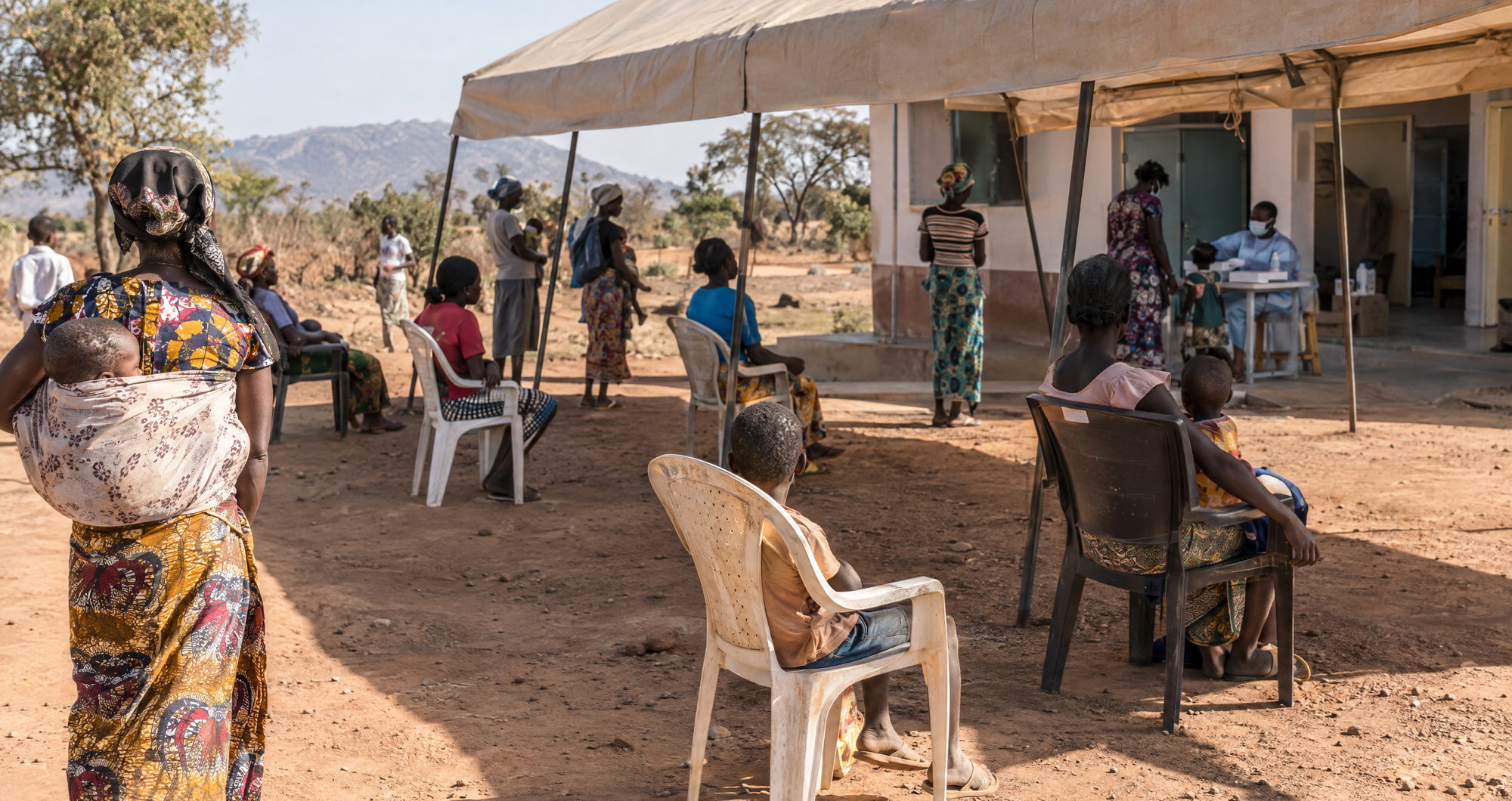

The expected health impacts of the current El Niño have been classified as a health emergency by the World Health Organization for the first time, WMO says in its latest climate assessment. The finding concerns the combined dangers of extreme heat, disrupted rainfall, food insecurity and infectious disease.
The State of the Climate Update 2026, released at COP31 on 9 November, describes El Niño as a risk multiplier for health. It warns that heat, drought and heavy rainfall can drive illness and death, expose people to wildfire smoke, cause injuries and change the risks from diseases including cholera, malaria and dengue.
The distinction between that assessment and a formal international emergency declaration is important. The classification is stated in WMO’s report; WHO has not issued a separate formal emergency declaration under the International Health Regulations. It should not be understood as a declaration of a pandemic or a new disease outbreak.
For readers in London, the significance is international: a climate pattern can place pressure on food supplies, safe water and health services across vulnerable countries. The assessment directs attention towards those overlapping risks, rather than a single illness or a threat confined to one place.
A climate risk multiplier
El Niño is a naturally occurring climate pattern involving warmer waters in the tropical Pacific and changes in atmospheric circulation. Its effects extend beyond the ocean, altering temperature and rainfall patterns in different parts of the world. The consequences vary by location, with drought in some areas and heavy rainfall in others.
The current El Niño has intensified since August and is forecast to become the strongest on record by December. That remains a forecast, not an established outcome. It is expected to continue into early 2027, extending the period during which countries may face associated climate and health pressures.
El Niño typically raises global mean temperature by 0.1C to 0.2C. That global average does not describe the conditions in every community, but it helps explain why the pattern matters for health. Higher temperatures can increase heat-related illness, while changes in rainfall can affect drinking water, sanitation and farming.
WMO says agricultural risks are already increasing during key seasons, particularly where food insecurity is high and farming depends on rain. In those settings, disruption to rainfall can compound existing difficulties in producing food. The health concern is therefore not limited to direct exposure to heat or flooding: it also includes malnutrition.
Heat, hunger and disease
WHO’s assessed risks include very high risks from malnutrition and cholera, alongside high risks from malaria and zoonotic disease. Zoonotic diseases are infections that can pass between animals and people. These categories describe assessed risks, rather than confirming that every affected country is experiencing the same conditions or disease burden.
Water safety is central to the cholera risk. Cholera spreads through contaminated food or water, making access to safe drinking water and sanitation important protections. Drought and heavy rainfall can create different problems for water supplies, while the health consequences depend on local conditions and the capacity of services to respond.
Malaria and dengue are transmitted by mosquitoes. Changes in temperature and rainfall can alter conditions for the insects that carry them, changing where and when people face exposure. WMO also identifies wildfire smoke and injuries among the potential health consequences, underlining the breadth of the assessment.
Climate Impact Lab modelling projects about 451,000 additional heat-related deaths associated with this El Niño, mainly in low- and middle-income countries. This is a modelled projection, not a recorded death toll. It concerns heat-related deaths and should not be treated as a count of all the possible health effects described in the climate assessment.
Preparing health services
Framing the expected impacts as a health emergency puts disease surveillance, water safety and health-system readiness at the centre of the response. Those priorities are relevant to vulnerable countries, including Pacific states facing drought, where climate conditions can place several essential services under pressure together.
WMO’s update covers data to September 2026 and will be superseded by its full State of the Global Climate report in March 2027. With El Niño forecast to continue into early 2027, that assessment will provide the next fuller picture of the climate conditions behind these health risks.







