

Óscar Puente has announced that he will resign as Spain’s transport minister after a high-speed rail collision near Urda left a provisional death toll of 69 people. He made the announcement on 3 November at the end of a lengthy appearance before a parliamentary committee examining the disaster.
Puente also said he would withdraw from the candidate list for Spain’s general election on 29 November. His announcement came six days after the collision in Toledo province and followed the presentation of a government plan to strengthen rail safety.
He said he had decided to leave soon after the crash but waited until the immediate response was underway and initial measures for victims and safety had been set out. He had previously said he would stay in the post. The announcement does not itself establish when the formal change of minister will take effect.
Opposition parties had called for Puente to resign, as had some parties whose support the government has relied on. Prime Minister Pedro Sánchez praised Puente after the announcement, saying he had acted out of political responsibility and put victims first.
Two disasters on the same line
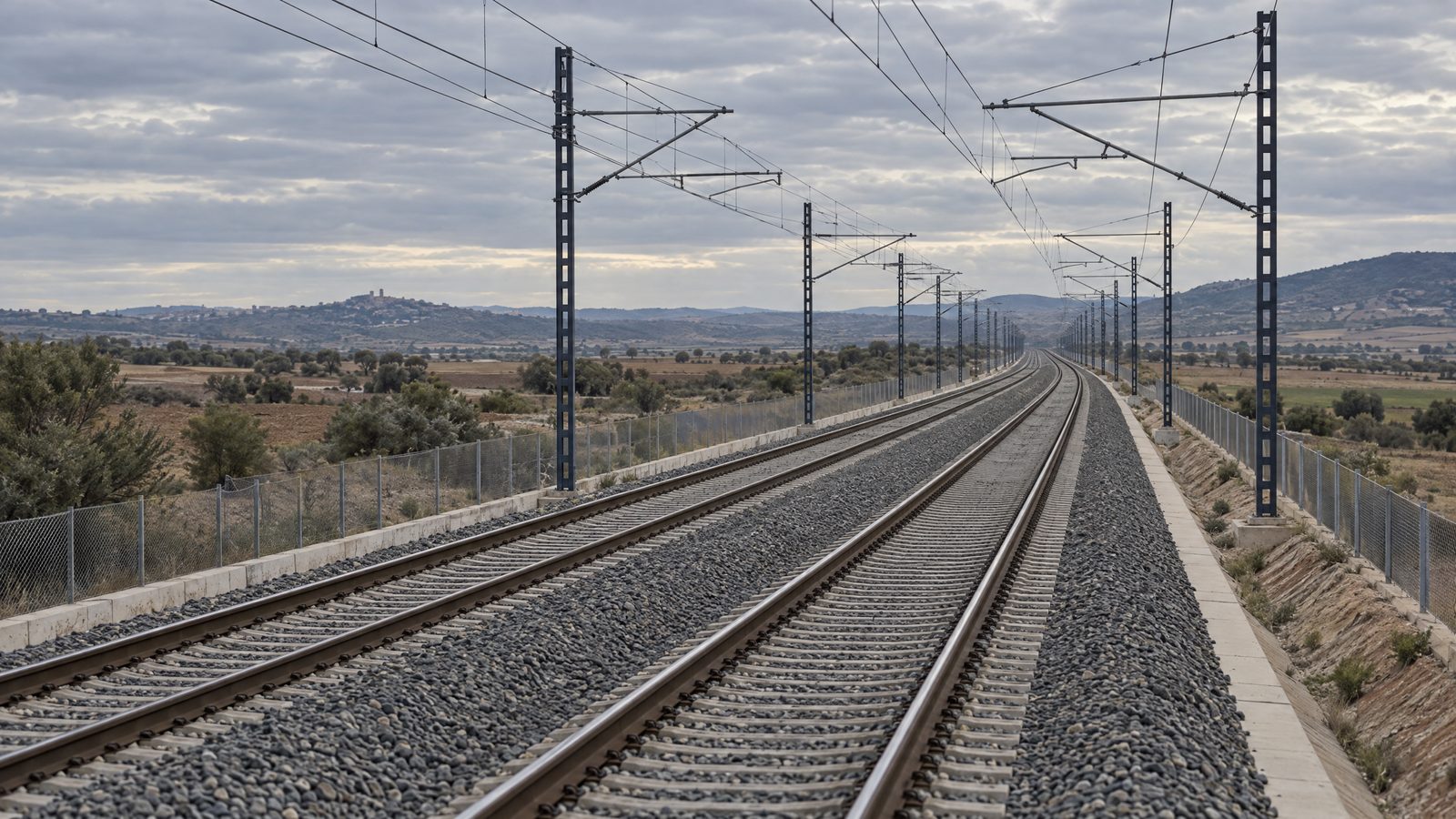
On 28 October, a train operated by the state-owned company Renfe struck the rear of a stationary Iryo train near Urda, south of Madrid. The collision happened on the Madrid–Seville high-speed route. The circumstances remain under investigation, and the resignation does not settle questions about the cause or responsibility.
There had been another fatal crash on the same line in January, near Adamuz in southern Spain, in which 46 people died. Puente referred to the seriousness of the two accidents when explaining his decision. The fact that they happened on the same route does not establish that they had the same cause.
Safety changes announced
Earlier on 3 November, Puente presented an extraordinary rail-safety plan. The government described three areas of work: technology, control and safety procedures, and staffing. These are measures the government has announced, rather than evidence that every change is already operating across the network.
Under the proposed control procedures, a second human controller would have to check and validate decisions when automatic blocking systems are unavailable. The government also plans new control-centre software with automatic alerts, electronic communication records and validation checklists to make it easier to understand train positions and track conditions.
The plan includes developing an artificial-intelligence tool and a digital model of the network. The government says these are intended to help identify anomalies and monitor communications between drivers and controllers. Their inclusion in a plan does not establish how well they will work in practice or whether they could have prevented the Urda collision.
At the 3 November briefing, the ministry said it intended to reduce train frequencies on the Madrid–Seville line after service was restored, until an exceptional safety review and the planned deployment of the European Rail Traffic Management System on that line were complete. The government also plans more controller training, changes to rest periods and wider use of fatigue-monitoring procedures for safety-critical staff.
Support for people affected
The cabinet approved a support decree providing €30 million for people affected by the Urda crash. The government said half was allocated to direct aid and half to advances on liability-insurance compensation. An advance is not the same as a final assessment of all compensation due.
The decree also provides for assistance offices to help affected people and families with applications. Officials said home visits would be available in Spain for those unable to travel to an office. Special social-security arrangements are intended to improve temporary incapacity support for workers affected by the collision.
For accident-related temporary incapacity, the special arrangements treat the absence as an occupational accident for benefit purposes, enabling payment from the first day and at a higher rate than ordinary sickness benefit. The decree also provides for limits on the price of alternative transport and some related accommodation while the Madrid–Andalucía high-speed line remains interrupted.
At the 3 November briefing, Puente said the damaged trains had been removed and that authorisation had been requested from the court before reconstruction of the line could begin. He estimated that repairs could take up to ten calendar days after permission was obtained. That was an estimate dependent on authorisation, not a confirmed reopening date.
The safety plan and the support decree address different parts of the aftermath. The former sets out intended changes to railway operations; the latter concerns assistance to people affected. Neither replaces the judicial and technical work needed to establish what happened at Urda.







