


Healing does not always necessarily have to take place in the four walls of a hospital. As the Healthcare sector continues to expand, out of hospital care is now being offered to eligible patients.
A model that brings medical care to the comfort of one’s home. In fact, many people may feel more comfortable and are likely to recover faster when cared for in a familiar, relaxed environment.
In this article, we’ll discuss how out of hospital care works, the possible benefits and why it’s becoming a preferred option for individuals seeking healthcare services at home.
What is Out of Hospital Care?
Out of hospital care refers to healthcare services provided outside a hospital room. Which can include everything from home-nursing and rehabilitation to community clinics. That is, patients receive care in environments fit for their needs instead of being admitted to a hospital for extended periods.
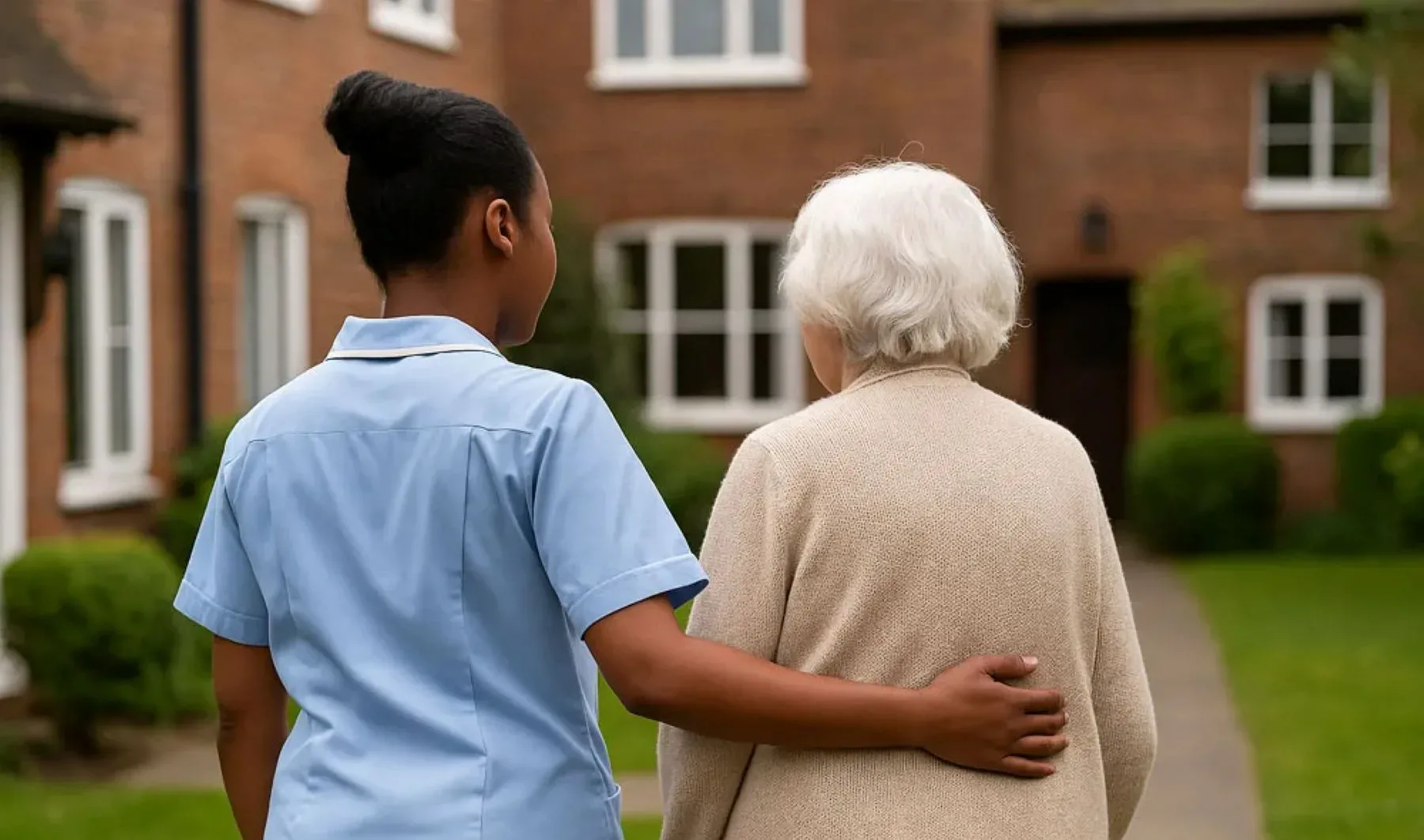
It is important to note that this care offered at home must be delivered in the same standard as if it were a hospital, and must be administered by a qualified medical practitioner. For example, a patient in coma recovering from surgery might have a nurse visit their home to monitor vital signs.
Likewise a person in rehabilitation could have regular video calls with their doctor instead of frequent hospital visits. Basically, this model offers care and comfort without compromising on medical quality.
There are common out of hospital care services tailored to meet different needs/conditions. They include:
- Home nursing care
- Physiotherapy and Rehabilitation
- Medication Management
- Telehealth Consultations
- Nutrition and Diet Support
- Palliative and end-of-life-care
Speaking of telehealth/telemedicine, the role of technology in out of hospital recovery cannot be excluded. From remote monitoring tools to virtual consultations, technology plays a key role in ensuring patients receive constant, high quality care at home.
Some commonly used devices are:
- Wearables Health Trackers: Such as smartwatches, fitness trackers, blood pressure monitors and glucose meters are mostly used in remote patient monitoring and telehealth services. Wearables keep evolving and are a proactive healthcare device.
- Remote Patient Monitoring (RPM) Devices: Are devices that automatically send health data to care providers. They help track vital signs and detect complications promptly. i.e pulse oximeters and digital thermometers
- Emergency Alert Systems: Panic buttons and even wearable alerts can notify caregivers or emergency services instantly where something goes wrong during the healing process.
- Medication Management Tools: These could be smart pill dispensers or an app that notifies or reminds patients to take their drugs on time and alert caregivers or nurses if doses are missed.
Who is eligible for this service?
Out of hospital care is intended for patients who are stable enough to receive medical care outside of a conventional hospital setting.
Healthcare providers usually will assess a patient’s eligibility based on their health, home set up and the possibility to obtain the necessary care and support they need. Here are some common factors to consider when evaluating a patient’s eligibility:
- Medical Stability: The patient must be in a state that does not require constant intensive monitoring or emergency interventions.
- The Kind of Treatment Needed: Patients who require services like wound care, medications or physical therapy, can receive such care at home. But those who are in need of 24 hour medical attention may have to remain in the hospital.
- Support Available at Home: Having a trustworthy family member or caregiver who can assist the patient with everyday needs and communicate promptly with healthcare providers is a key element for out of hospital care. Professional caregivers may also be assigned in certain circumstances.
- Safe and Suitable Home Environment: The patient’s home must be safe, clean and accessible, especially if mobility equipment is involved. In order to make sure the environment supports speedy recovery, healthcare personnel often perform an assessment.
- Technology Know-How: For virtual check or remote monitoring, patients or caregivers must have access to a smartphone, telephone or computer with internet connection and should be able to operate it, at least at the basic level.
- Consent and Willingness: Most importantly, the patient must be open to taking part in home-based treatment and adheres to the care plan set by healthcare providers. It is important that the patient be aware and understands what to expect and agrees to the care model.
Common Misconceptions about Healing at Home
Despite the growing popularity of this model, many people are still unsure and have misconceptions about how safe or effective healing from home is.
Below are some common misconceptions on home healthcare services and the truth behind them:
- Healing at Home is Reserved for only Old, Sick People: Out of hospital care is not exclusively for the elderly. While many older adults benefit from out of hospital care, it is not only for them. Eligible people as discussed above, regardless of their age, can receive care from home.
- It’s not as Safe as Hospital Treatment: When healthcare at home is properly provided by the qualified professionals, home-based care can meet the same medical standards as a hospital.
- It’s too Expensive: In many cases, it’s the opposite. The cost of healing at home is relatively more pocket friendly than staying at the hospital. From reduced hospital bills to fewer expenses, in which patients keep their money and still receive excellent healthcare.
- Only Basic Care can be Provided at Home: In recent times, home healthcare services are more advanced as ever; through telemedicine and virtual care. Also many treatments and even diagnosis can be done in a home-setting with professional monitoring.
How does Hospital at Home work?
Patients are evaluated for out of hospital care after they’ve been admitted. Followed by a screening to see if they actually fit to be taken out of the hospital. Once a patient is approved for hospital at home treatment, the medical staff in charge of the patient can plan their meals and medications, including a set up of the necessary medical equipment.
Upon which the patient is then transported with paramedics to their home. While at home, patients may receive the following services:
- 24/7 Patient Monitoring: Patients are given monitoring devices that automatically sends vital signs information, pulse/respiration rate to the hospital care team regularly.
- Daily in-person Visits and Virtual Checkups: Each patient receives in-person visits from either a nurse or paramedic at least two times per day. Also a doctor or other medical professional as the case maybe will meet with the patient at least once a day which can be done virtually i.e through a smart phone or computer.
- Medication Delivery: Prescribed medications and oxygen(where needed) are delivered to the patients home promptly. The in-person healthcare provider must see to it that the patient uses the medications correctly and check that the medication dosage is in line with the patient’s current condition, in a case where the patient is almost done recovering.
- Meal Delivery: Also patients receive three meals a day, just as they would at a hospital. The patient gets their meal based on the designed meal plan while the caregiver ensures dietary requirements/restrictions are followed.
- Special Care and Services: Where the patient needs specialist care, the healthcare providers can involve other medical professionals as the case may be. Special care services offered may include: radiology services or physical/speech therapy.
Why You Should Consider Out of Hospital Care
For eligible patients, out of hospital care provides a reduced risk of infection, recovery from the comfort of the home and even a better caring opportunity (from family members). In a way, out of hospital care services can be somewhat cheaper when considering having to be admitted and using the hospital’s bed space.
For the hospital, when there is less occupied bed space, it gives room for more patient flow, which in turn improves productivity while also cutting down on patient’s waiting time.
Benefits of Healing at Home
During a health crisis, one of the most important decisions to make is where to recover. While recovering at hospitals or clinics may seem like the best, recovering at home has some unique advantages.

The recovery process at home can be more comfortable and personalised, as the patient stays around family and friends who provide emotional support and more care to help the patient become healthy.
These benefits will be discussed below:
- Emotional Comfort and Familiarity: Healing at home allows individuals to enjoy the comfort of being in a comfortable surrounding. Which can reduce anxiety and provide a sense of safety, security and emotional wellbeing, all of which of course can speed up the healing process. Where a patient is in a better state of mind and improved mood, it can contribute to a smoother recovery outcome.
- Lower Risk of Infection: Recovering at home prevents a patient from hospital acquired infections. This is because individuals are in a controlled environment with less exposure to other patients or potential medical pathogens.
- Cost Effective: In recent times, healing at home may be more cost effective than extended nights at a rehabilitation centre or hospital. When the cost of medications, accommodation fees and other related medical expenses are calculated it can add up to a significant amount. But hospital at home involves less additional expenses, thereby making it a considerably affordable option.
- Flexible Recovery Routine: Healing at home provides the patient the best treatment routine that fits the individual’s preferences while still maintaining a usual health standard with the medical practitioner. This can enable patients to engage in rehabilitation exercises, therapies and other possible recovery activities that suit their condition best.
- More Access to Care and Support: When at home, individuals can enjoy more support and care from their loved ones, which is never too much. Family members or friends can help with medication management or just being there for patients to easily communicate too whenever, can improve the overall healing process.
Regardless of the benefits, the decision of receiving home treatment should be made, based on each individual’s health condition or preference, as guided by the healthcare professionals in-charge.
These benefits combined will create a less stressful healing experience, one that can lead to a better long-term outcome.
Case Study
For better understanding on how healing at home support speeds recovery. Take a look at this case study of a woman who will be recovering from a knee surgery at home.
After undergoing a total knee-replacement, 65 year old Miss Flora who was initially expected to remain in the hospital for a week will however be in a ‘hospital at home’ post-surgical recovery, due to her stable condition and family support. Her doctors recommended transitioning her to a hospital-at-home program.
Within 48 hours, her home was equipped with the right medical tools, such as a walker, an adjustable bed, and remote monitoring devices. A nurse visited her twice daily to assist in caring for her wound, pain management and physical therapy. Miss Flora also had scheduled video calls with her Orthopaedic Surgeon and Physiotherapist for progress evaluation.
With her daughter assisting her, a customised meal plan and rehab program, Miss Flora recovered in the comfort of her home. Not only did she avoid the risk of hospital-acquired infections and saved costs by not taking the hospital’s bed space, she also reported higher emotional satisfaction and a faster movement. Within six weeks, she was walking on her own, upon which her healthcare provider confirmed her recovery.
Conclusion
It is obvious that the benefits of out of hospital care healing are significant and while not all patients are eligible, those who are can experience a faster recovery, greater comfort and improved overall wellbeing. With the proper medical supervision, a safe/monitored home and a continuous support system, healing at home can be just as effective if not better than regular hospital care.
As we continue to advance in medical care and technology, healing at home stands as a valuable option worth considering.







