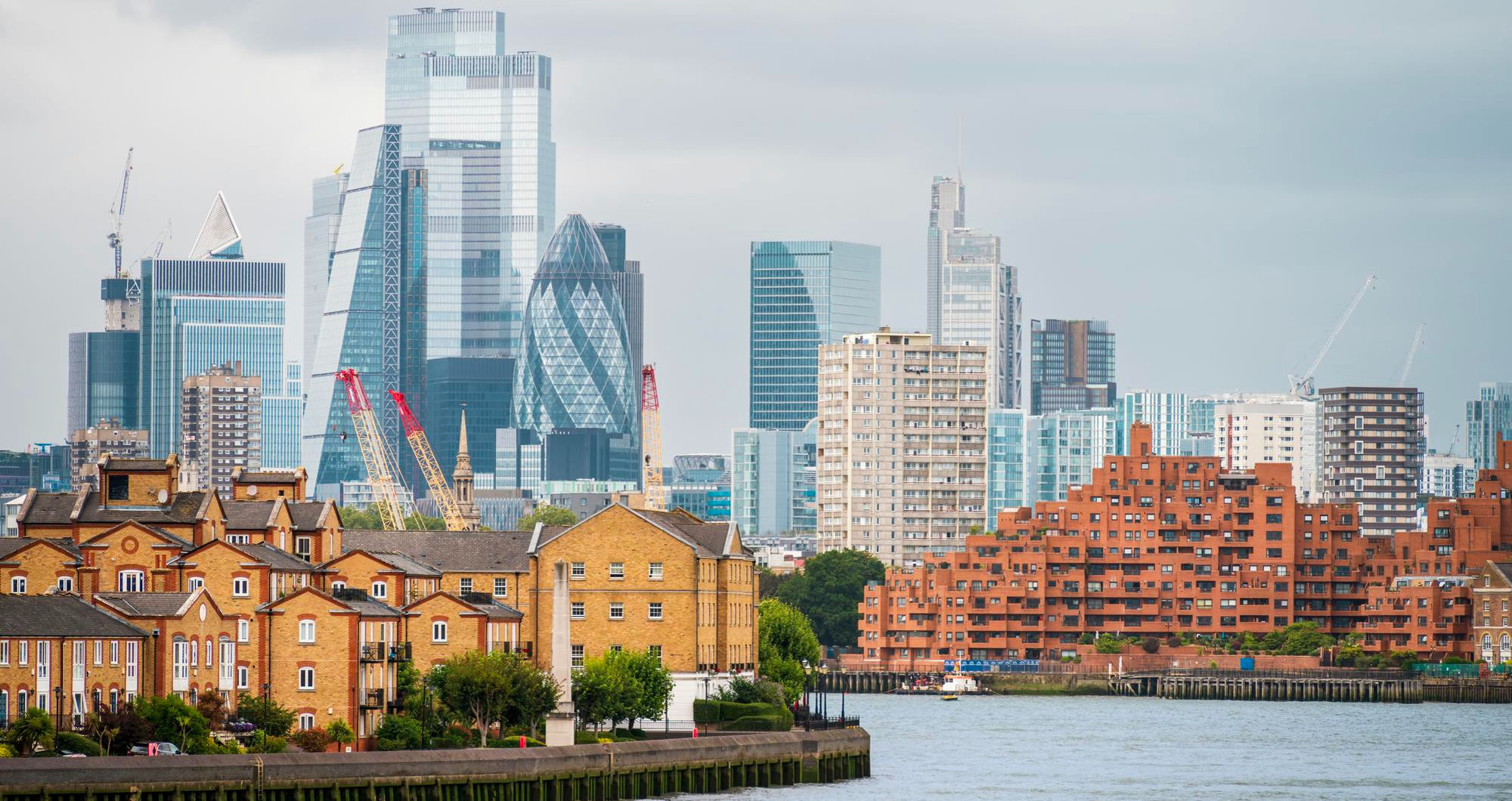

London’s property market may no longer be experiencing the explosive growth of previous decades, but international investors are returning to the capital in growing numbers.
After years of political uncertainty, higher borrowing costs and post-pandemic disruption, overseas buyers are once again viewing London real estate as a relatively stable long-term asset. From institutional investment funds to high-net-worth individuals, global capital is increasingly flowing back into the city’s housing and commercial sectors.
The reasons behind the renewed interest are complex — and they reveal as much about global economic anxiety as they do about London itself.
London still carries global safe-haven appeal
Despite market slowdowns and affordability pressures, London remains one of the world’s most internationally recognised property markets.
For many overseas investors, the city continues to offer a combination of legal stability, strong financial infrastructure, global connectivity and long-term demand that few other cities can consistently match.
In periods of geopolitical uncertainty, international capital often moves towards assets perceived as relatively secure. London property has historically benefited from that pattern.
Recent shifts in currency markets have also improved the appeal of UK real estate for some foreign buyers, particularly those investing with US dollar-linked wealth.
This renewed interest aligns with wider investment trends already emerging within the sector. Growing interest in large-scale UK developments suggests international investors are increasingly targeting long-term operational assets rather than focusing solely on prime luxury homes.
Investors are prioritising stability over rapid growth
The psychology of property investment is also changing.
During previous market cycles, many buyers focused heavily on rapid capital appreciation. In 2026, stability and resilience are becoming more important investment themes.
London’s property market is increasingly being viewed through that lens. For many international investors, the city offers defensive long-term positioning rather than speculative short-term returns.
Many buyers still view London real estate as a source of long-term property stability despite slower growth compared with previous market cycles.
Institutional investors especially are placing greater emphasis on long-term rental demand, demographic resilience and asset security rather than purely aggressive appreciation forecasts.
Build-to-rent and large-scale developments are attracting capital
One of the biggest shifts involves the type of property attracting overseas money.
Instead of focusing exclusively on ultra-prime residential assets in central London, many investors are now targeting:
- build-to-rent schemes
- mixed-use developments
- student housing
- logistics-linked residential areas
- regeneration projects
This reflects broader structural changes happening across the UK property market.
The rise of long-term renting, housing shortages and urban population growth continue supporting demand across multiple residential sectors. Large-scale developments can also provide more predictable income streams compared with individual luxury properties.
Outer London and regeneration-heavy areas are therefore receiving increasing attention from international capital groups seeking scale and long-term operational returns.
Global uncertainty is helping London
Ironically, instability elsewhere is helping support London’s appeal.
Economic uncertainty in parts of Europe, geopolitical tensions and concerns around financial volatility are pushing some investors towards globally established cities with deep legal and financial systems.
London still benefits from:
- strong international recognition
- transparent property laws
- global banking infrastructure
- deep professional services networks
- high international tenant demand
For many overseas investors, these factors matter more during uncertain economic periods than short-term market fluctuations.
According to Knight Frank, global wealth trends and international capital flows continue influencing demand across prime London property markets.
Affordability and political risks still matter
The market’s recovery is not without limitations.
Higher interest rates, taxation changes and affordability pressures continue affecting transaction volumes across parts of London. Some international investors also remain cautious about future regulatory shifts linked to overseas ownership and property taxation.
Political uncertainty can still influence investor confidence, particularly around housing policy and planning reform.
There are also concerns that excessive reliance on overseas capital could further disconnect parts of London’s housing market from local affordability realities.
These tensions have shaped debates around foreign investment in London property for years and are unlikely to disappear soon.
Why international demand may continue
Even so, London’s long-term investment fundamentals remain difficult to ignore for many global buyers.
The city continues functioning as a financial, cultural, educational and business hub with international influence that extends far beyond Britain itself. Population growth, rental demand and limited housing supply still support long-term real estate interest despite slower growth compared with previous eras.
As global investors increasingly prioritise resilience and asset security, London property may continue benefiting from its reputation as a relatively stable international investment environment.
The market may look different from the speculative boom years. But for overseas investors seeking long-term positioning in uncertain times, London is once again becoming increasingly attractive.
Feature Image by frimufilms from freepik