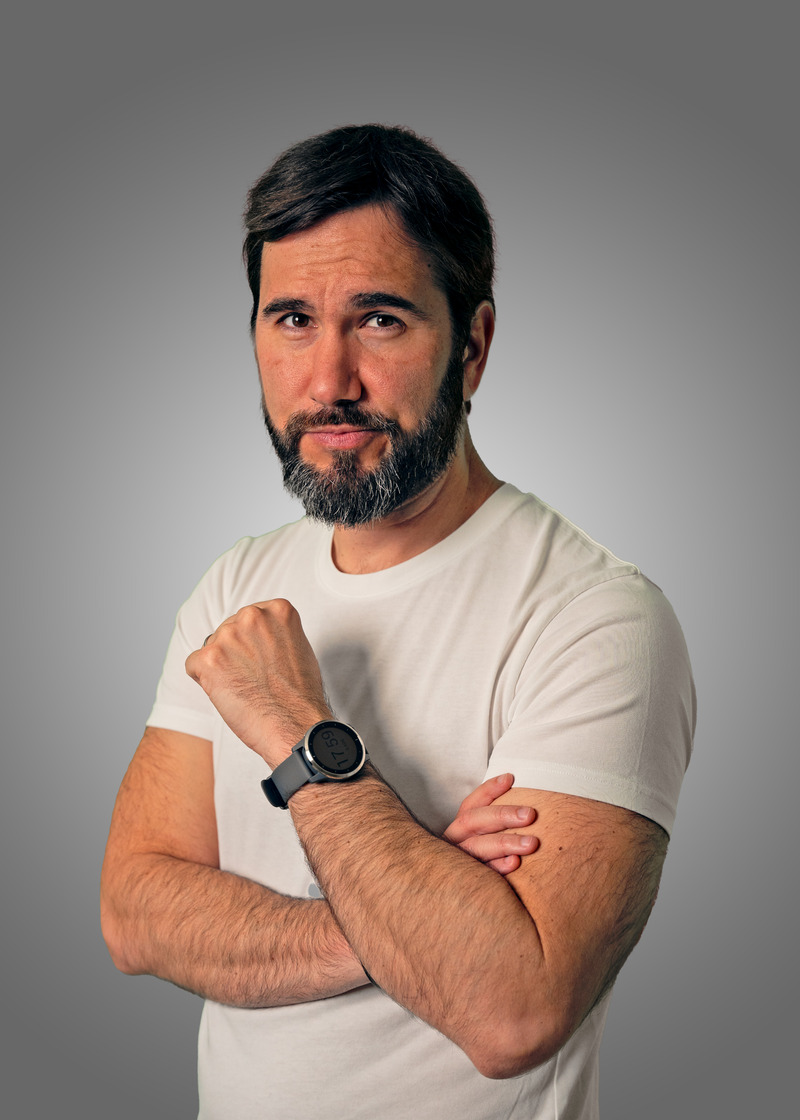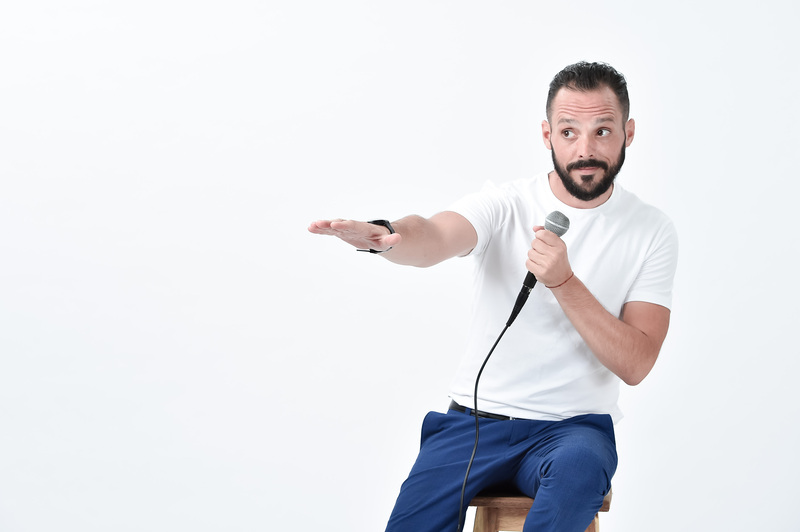

By Derek Smith (w/ Jose Ucar)
68% of attendees say panels are their favourite way to learn… yet more than half admit most of them run long or lose focus. (Eventbrite Audience Insights, 2025)
The Panel Paradox
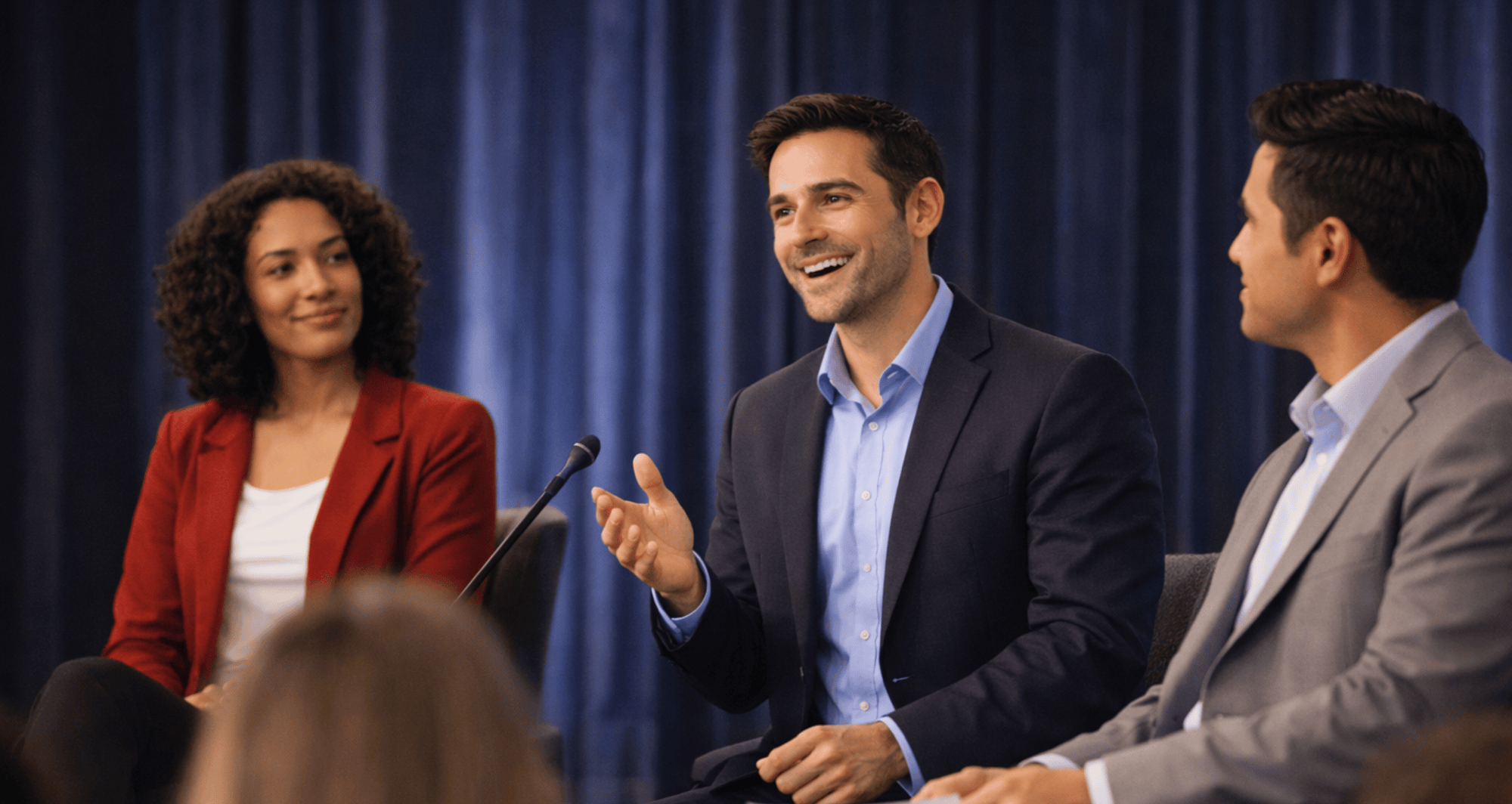
If you’ve attended enough conferences, you’ve seen why. A well-intentioned panel begins with introductions, and then one speaker, brimming with ideas, takes the microphone and forgets what a minute feels like.
Behind the scenes, moderators often give panellists time cues and topic boundaries: “Sixty seconds each for intros,” “Keep answers tight,” “We’ll have audience Q&A at the end.”
Still, once the conversation starts, someone inevitably ignores the invisible clock. The result? Great insights buried under long-winded answers, while other voices fade into silence. Panels are a team sport. They run on what event professionals call time intelligence and strong panel communication skills.
The Rise of Time Intelligence
According to the LinkedIn Events Industry Review (2025), the fastest-rising skill for moderators and hosts is time intelligence. The ability to sense and adjust to audience energy in real time. It’s no longer enough to fill time; you need to shape it.
The Professional Convention Management Association found that panels using visible time cues scored 31% higher on audience satisfaction. That clarity gives everyone permission to relax, both on stage and in the audience’s seat.
Know Your Minute
As a communication coach, I encourage every panellist to do the same thing: know what a minute feels like. Rehearse it. Record yourself. Tighten your language until you can deliver something meaningful, memorable, and human within sixty seconds.
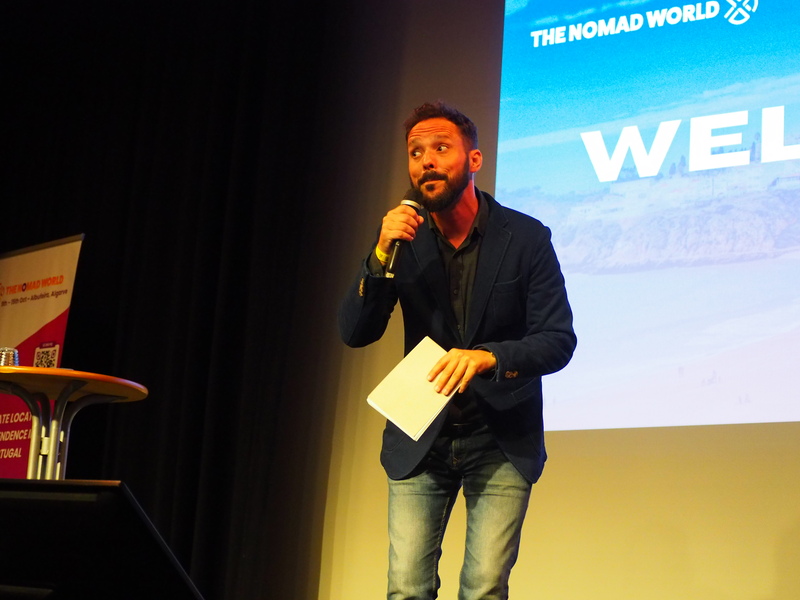
More isn’t better. Clearer is better. When panellists respect time, the audience respects them back. It signals mastery and reinforces effective panel communication skills.
Sound Bites Come Easier When You’ve Got Oxygen in Your Lungs
Before you speak, take five deliberate breaths. Tune into the room.
In a panel, timing isn’t just about seconds on a clock. It’s about sensing when others are ready to speak and when silence can land.
Three Subtle Skills Every Panellist Needs
- Time sense: Rehearse a sixty-second insight to know what a minute feels like.
- Energy hand-off: Treat each exchange like a relay, not a monologue. Know your fellow panellist’s expertise to comfortably pass the conversation along.
- Breath reset: Before jumping in, take five deliberate breaths.
Panels mirror leadership: balancing airtime, respect, and impact.
When everyone on stage listens, breathes, and shares the spotlight, the magic happens and the audience remembers.
About the Authors
Jose Ucar (Venezuelan, based in London) and Derek Smith (Canadian, based in Portugal) help founders, leaders, and teams speak with impact and lead with presence – on stage, online, and across cultures. Together, they deliver workshops, keynotes, and coaching that turn voices into visibility, influence, and results.
Want your team to communicate with greater impact? Book Jose and Derek’s Communication & Presence Workshop, available online and in London.