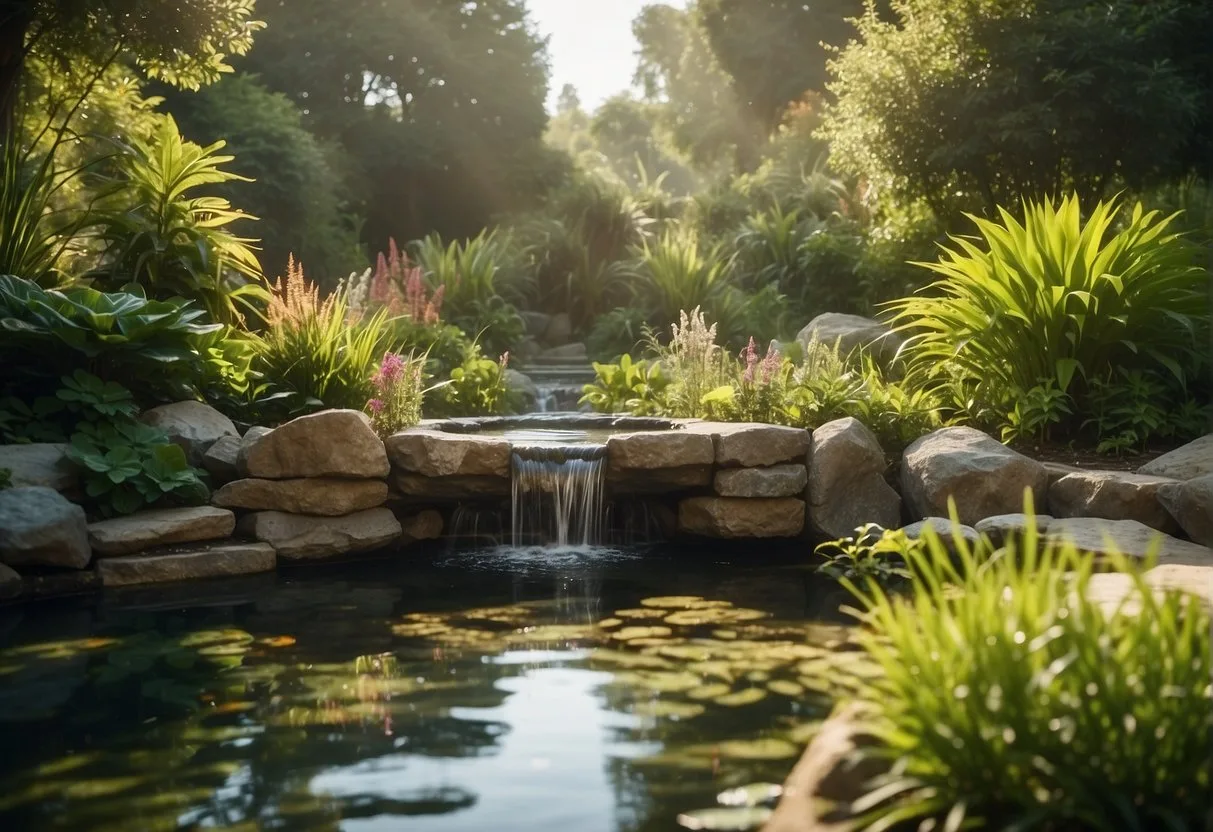

Struggling with maintaining a beautiful, healthy pond in your garden? You’re not alone.
Many garden enthusiasts face the challenge of keeping their water features vibrant and full of life. This article unveils essential strategies to combat common issues like algae blooms, fish diseases, and murky water.
Discover expert tips on creating a thriving aquatic ecosystem, and learn how to ensure your pond remains a serene, inviting haven for both you and wildlife.
Lets, (metaphorically) dive in.
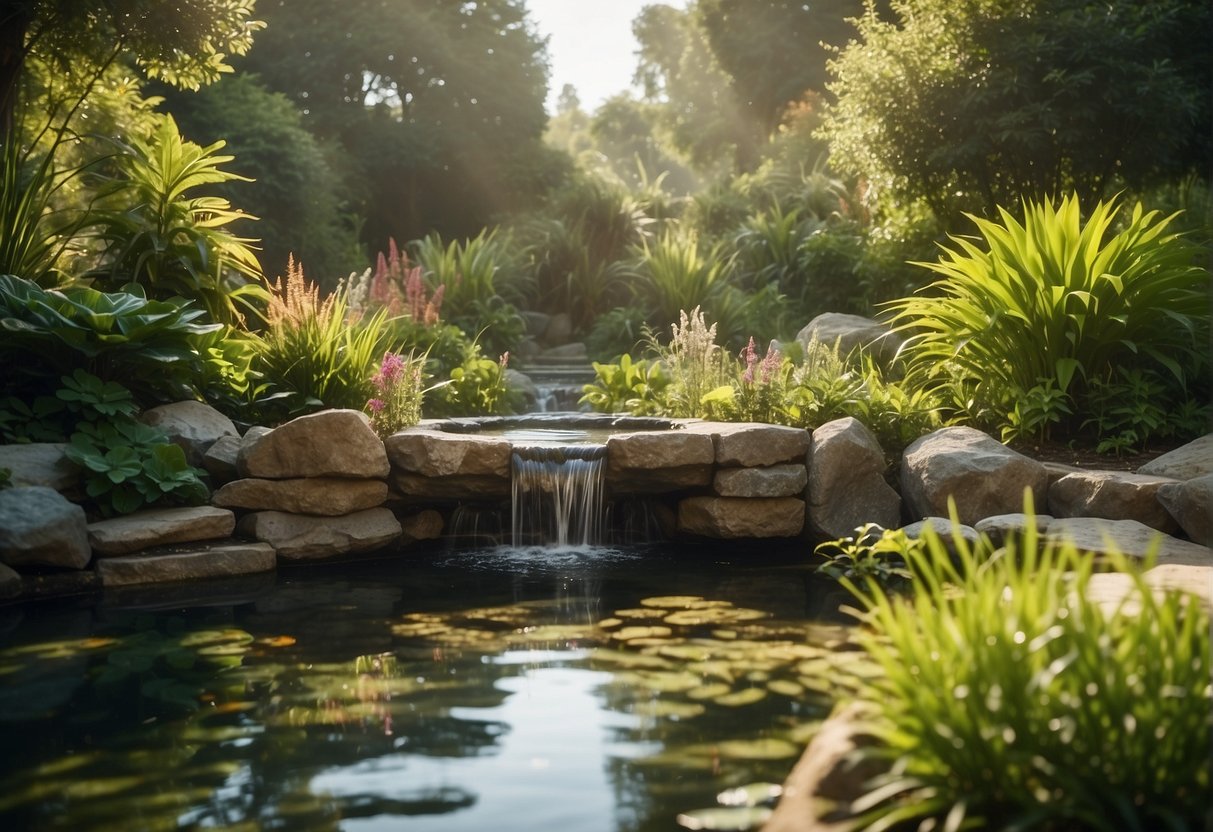
Establishing a healthy pond ecosystem is the first step towards successful pond care and maintenance. This involves selecting the right location, choosing the right plants and fish, and ensuring adequate filtration and aeration. Routine pond maintenance and troubleshooting are also important aspects of pond care, as they help to prevent common problems such as algae blooms, fish diseases, and water quality issues.
Key Takeaways
- A healthy pond ecosystem is essential for successful pond care and maintenance.
- Routine maintenance and troubleshooting can help prevent common pond problems.
- Proper filtration and aeration are crucial for maintaining good water quality.
Establishing a Healthy Pond Ecosystem
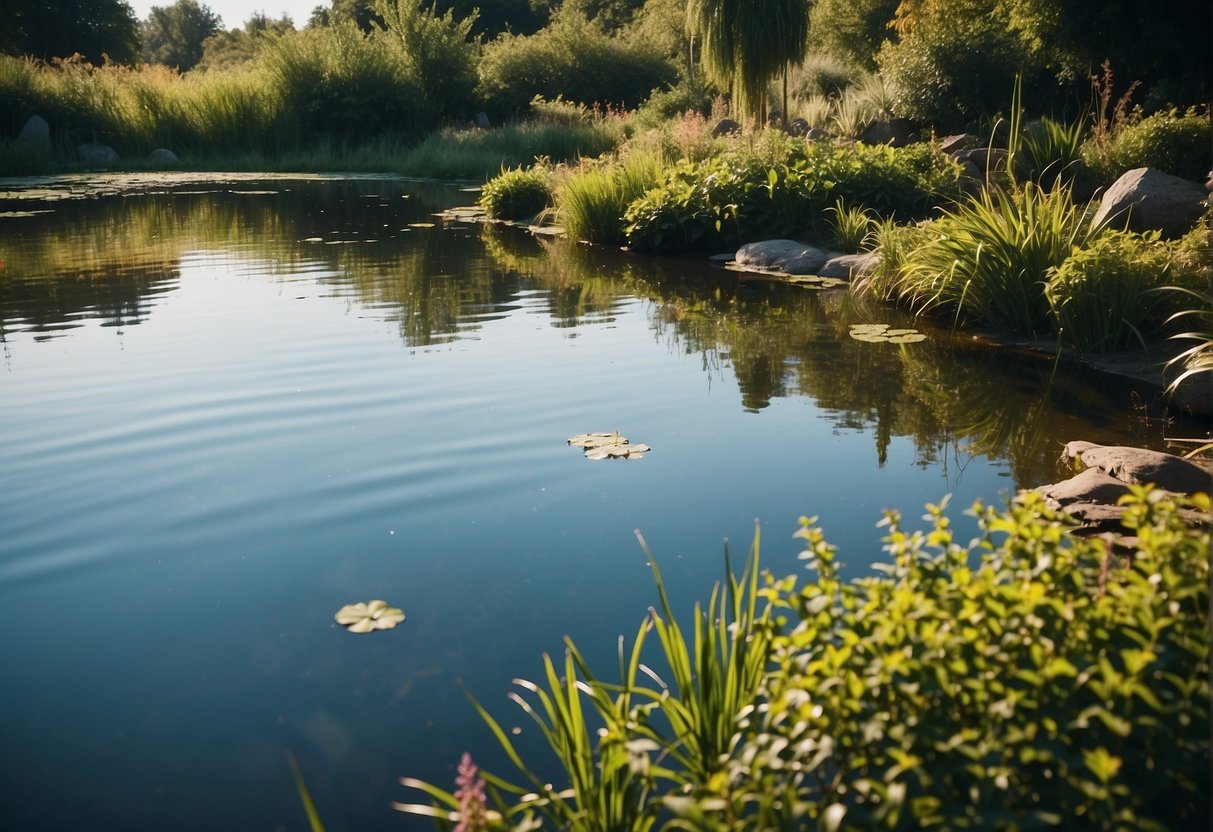
Maintaining a healthy pond ecosystem is essential for the overall well-being of aquatic life. A healthy pond ecosystem requires a balance of water quality, filtration, aquatic plant management, and fish care. Here are some tips to establish and maintain a healthy pond ecosystem.
1. Water Quality and Balance
Water quality is crucial for the health of a pond ecosystem. Regular testing of the water quality is necessary to maintain a balance of pH levels, nutrients, and beneficial bacteria. The ideal pH range for a pond ecosystem is between 7.0 and 8.0. To maintain the pH levels, it is recommended to add a buffer solution. Beneficial bacteria play a vital role in maintaining the water quality of a pond ecosystem, and they can be added to the pond by using a bacterial supplement.
2. Pond Filtration Essentials
A filtration system is essential for maintaining a healthy pond ecosystem. The filtration system should include a pond filter and box filters. The pond filter removes debris and waste from the water, while the box filters help to maintain the water quality by removing excess nutrients. It is essential to clean the filters regularly to prevent clogging.
3. Aquatic Plant Management
Aquatic plants play a crucial role in maintaining a healthy pond ecosystem. Oxygenating plants such as waterlilies and other aquatic plants help to maintain the water quality by producing oxygen and absorbing excess nutrients. It is essential to prune the plants regularly to prevent overgrowth, which can lead to a reduction in oxygen levels and the production of harmful algae.
4. Fish and Wildlife Care
Fish and other aquatic life are an essential part of a healthy pond ecosystem. Fish such as carp and goldfish are hardy and can survive in a range of water conditions. It is essential to feed the fish a balanced diet and to avoid overfeeding, which can lead to an increase in waste and harmful bacteria. It is also important to provide a habitat for other wildlife, such as frogs, which can help to control the population of harmful insects.
In summary, establishing and maintaining a healthy pond ecosystem requires a balance of water quality, filtration, aquatic plant management, and fish care. Regular testing of the water quality, cleaning of the filtration system, pruning of aquatic plants, and providing a habitat for wildlife are all essential components of a healthy pond ecosystem.
Routine Pond Maintenance and Troubleshooting
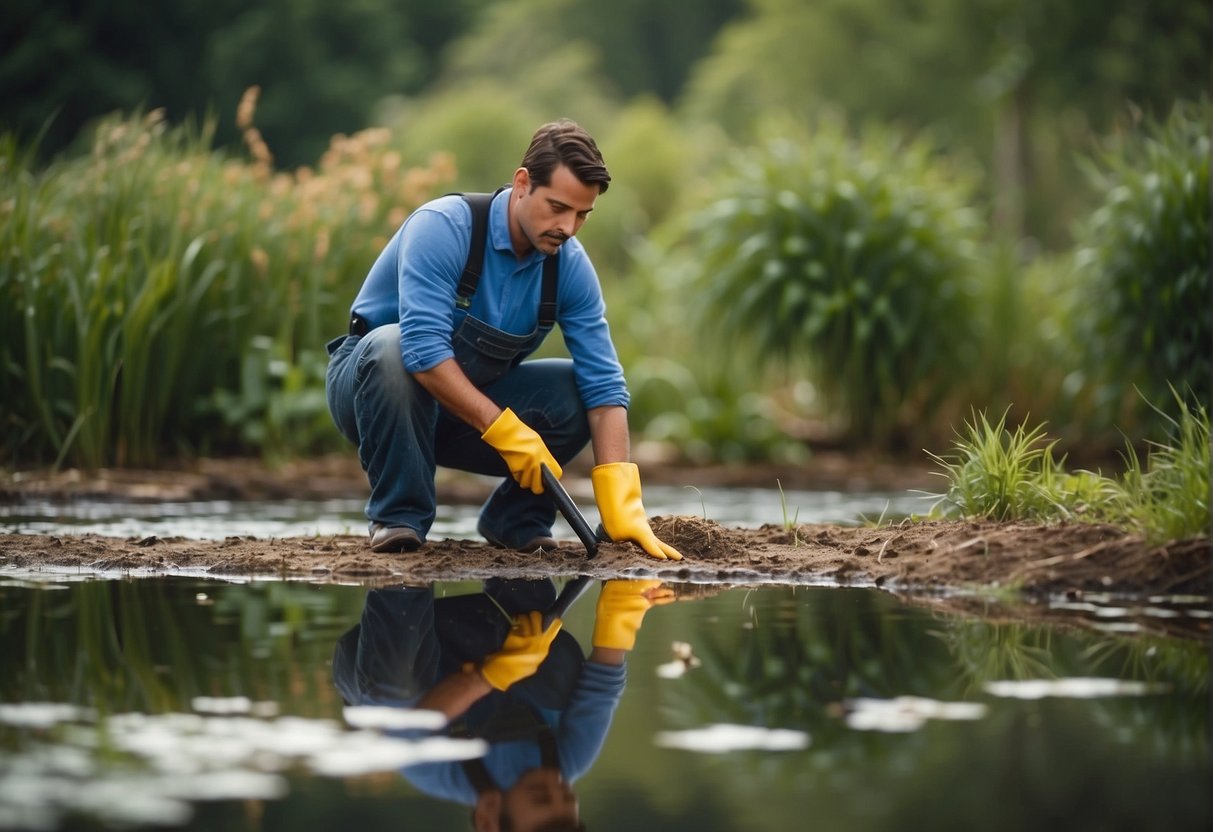
Maintaining a pond is an ongoing process that requires regular attention. Routine maintenance helps to keep the pond healthy and free from problems, allowing aquatic life to thrive. In this section, we will discuss some of the best practices for routine pond maintenance and troubleshooting.
Cleaning and Debris Removal
Cleaning and debris removal are essential components of routine pond maintenance. It is important to remove debris and sludge from the bottom of the pond regularly to prevent the buildup of harmful substances. A pond vacuum or net can be used to remove debris from the surface of the water. It is also necessary to clean the pond skimmer regularly to prevent clogging.
Algae and Weed Control
Algae and weeds can quickly become a problem in a pond, causing the water to turn green and the aquatic life to suffer. Algae and weed control can be achieved through the use of algaecide treatments, floating weed removers, and UV clarifiers. It is important to note that excessive nutrients in the pond can contribute to algae and weed growth. Therefore, it is important to test the water regularly and adjust the pond treatment accordingly.
Equipment Care and Repair
Pond equipment such as pumps, fountains, and filters are essential components of a healthy pond. Regular maintenance of these components is necessary to keep them functioning properly. It is important to inspect the equipment regularly for leaks and repair any damage as soon as possible.
Seasonal Care Adjustments
Pond care requirements vary depending on the season. During the summer months, it is important to maintain the water level and ensure that the pond is well-oxygenated. During the winter months, it is necessary to adjust the pond care routine to prevent the water from freezing and ensure that aquatic life can survive.
In summary, routine pond maintenance involves cleaning and debris removal, algae and weed control, equipment care and repair, and seasonal care adjustments. By following these best practices, pond owners can maintain a healthy and thriving aquatic environment.
Ready to Transform Your Garden Pond?
Dive into a world of endless possibilities with Ponds By Michael Wheat. Whether you’re dreaming of a tranquil haven or a vibrant aquatic showcase, expert guidance is just a click away.
Don’t miss out on our treasure trove of ideas and tips — grab your Free Inspiration Guide today. Plus, stay in the loop with our newsletter, packed with the latest trends, care tips, and inspiring designs. Your perfect pond is waiting to be discovered.
Frequently Asked Questions
What are the best plants to introduce to a pond for ecological balance?
When it comes to introducing plants to a pond for ecological balance, it’s important to choose a variety of species that can help to oxygenate the water and provide shelter and food for the wildlife. Some popular choices include water lilies, reeds, and rushes. These plants can help to maintain a healthy balance of nutrients in the water, which is essential for the survival of the pond’s inhabitants.
When is the optimal time to perform a thorough cleaning of a pond in the UK?
The optimal time to perform a thorough cleaning of a pond in the UK is during the spring or autumn months. During these seasons, the weather is mild enough to allow for the cleaning process to take place without causing any harm to the pond’s inhabitants. It’s important to remove any dead leaves, debris, and excess algae from the pond to prevent the build-up of harmful bacteria and to keep the water clear.
How can I maintain a pond effectively to support local wildlife?
Maintaining a pond effectively to support local wildlife involves regular cleaning and maintenance. It’s important to keep the water clear and free from debris, as this can help to prevent the build-up of harmful bacteria that can harm the pond’s inhabitants. Introducing a variety of plants to the pond can also help to provide food and shelter for the wildlife.
What steps should I follow to ensure clean water in a fish pond?
To ensure clean water in a fish pond, it’s important to maintain a healthy balance of nutrients in the water. This can be achieved by introducing plants to the pond that can help to oxygenate the water and provide shelter and food for the fish. It’s also important to regularly test the water for pH levels and to remove any dead leaves, debris, and excess algae from the pond.
How can a small pond be maintained effectively without the use of a pump?
Maintaining a small pond effectively without the use of a pump involves regular cleaning and maintenance. It’s important to remove any dead leaves, debris, and excess algae from the pond to prevent the build-up of harmful bacteria and to keep the water clear. Introducing a variety of plants to the pond can also help to maintain a healthy balance of nutrients in the water.
What routine maintenance is necessary to keep a garden pond in good condition?
Routine maintenance is necessary to keep a garden pond in good condition. This includes regular cleaning to remove any dead leaves, debris, and excess algae from the pond. It’s also important to introduce a variety of plants to the pond to help maintain a healthy balance of nutrients in the water. Regular testing of the water for pH levels is also recommended to ensure the pond is in good condition.