
Understanding which flavours dominate the British soft drink market reveals a great deal about consumer habits, regional preferences, and the way beverage companies position their products. The United Kingdom maintains one of the most competitive and diverse soft drink industries in Europe, with supermarkets, convenience stores, pubs, restaurants, and fast food outlets all competing for shelf space and customer loyalty. Within this crowded landscape, certain flavours consistently outperform others, while newer and more experimental tastes continue to emerge.
Cola Remains the Undisputed Champion
Cola stands as the single most popular flavour category across the entire British soft drink sector. Its dominance is difficult to overstate. When analysts compare cola against every other carbonated flavour combined, the gap remains remarkably wide, with cola leading its nearest rival by a substantial margin. Both full-sugar and sugar-free varieties perform strongly, and the low-calorie segment now accounts for a significant portion of total cola sales. Major brands such as Coca-Cola, Pepsi, and supermarket own-label alternatives all compete fiercely within this space. Beyond retail, cola dominates in food service as well, frequently appearing as the default option on menus in pubs, cinemas, and fast food chains. Its broad appeal across age groups, regions, and social demographics explains why it has remained at the top for decades.
Lemonade and Citrus Alternatives
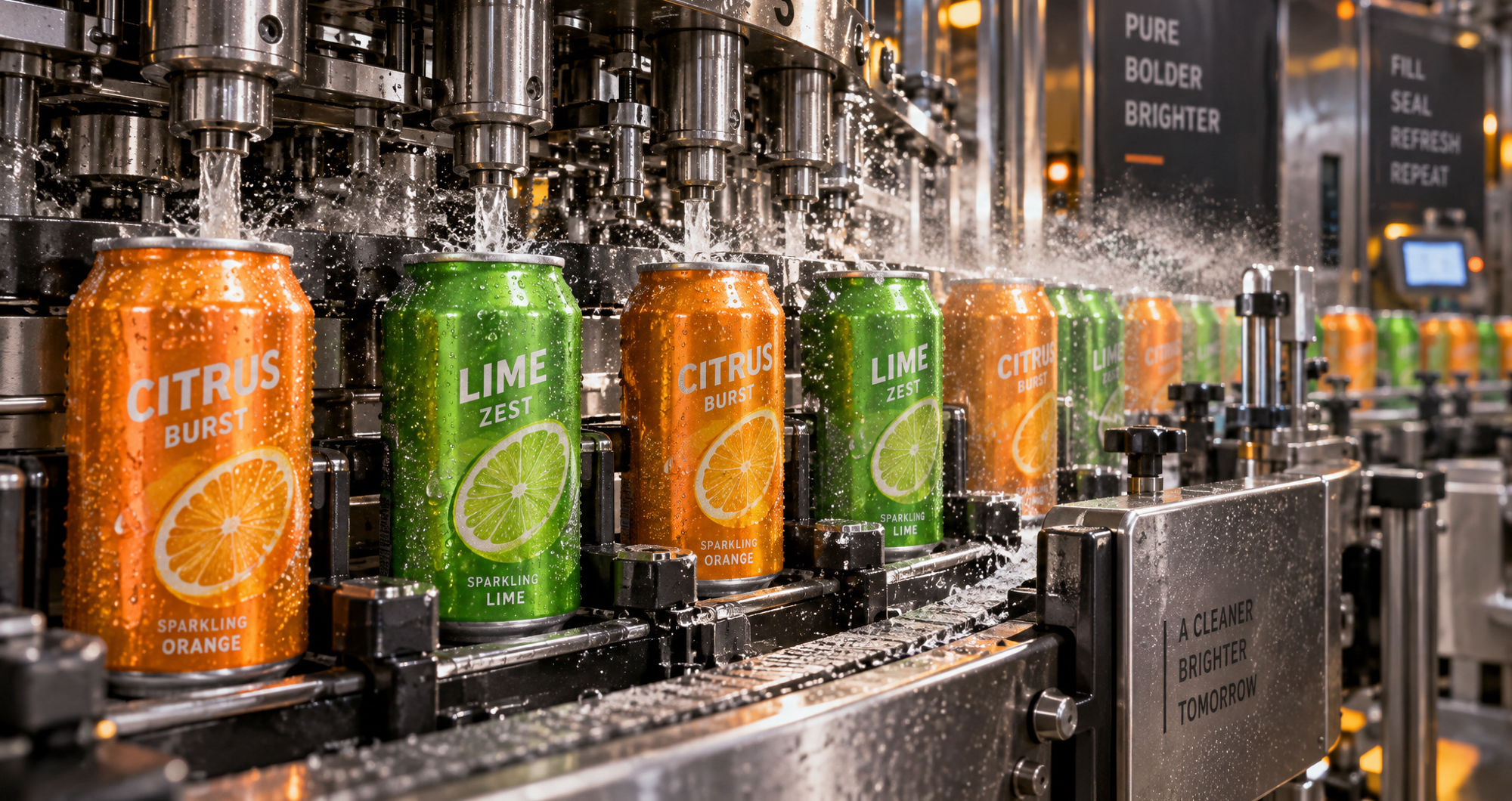
Occupying the second position in popularity is clear lemonade, a distinctly British favourite that differs considerably from the cloudy lemonade found in other markets. This sparkling drink, characterised by its pale appearance and sharp citrus bite, appears in nearly every supermarket and restaurant. Lemon-lime variants, including well-known international brands and domestic equivalents, perform particularly well in the food service sector, where they are often treated as the safest alternative for customers who dislike cola. Orange-flavoured carbonated drinks form another pillar of the citrus category. Brands such as Fanta and Tango command enormous loyalty, and orange remains a staple flavour in children’s drinks, meal deals, and multipack offerings.
Tropical and Exotic Fruit Influences
A striking development over the past decade has been the surge in popularity of tropical flavours. Mango, passion fruit, pineapple, and guava now appear regularly in carbonated soft drinks, often marketed under vibrant packaging designed to appeal to younger consumers. This trend has been driven partly by the growth of fast food and dessert chains, where tropical carbonates pair well with fried chicken, grilled meats, and sweet treats. Mixed fruit varieties, which combine several exotic tastes into a single beverage, also contribute heavily to overall sales within the fruit carbonates segment. Supermarkets have responded by expanding their own-brand tropical ranges, and many of these products now rival established international brands in terms of both quality and sales volume.
Berry and Cherry Varieties
Cherry has developed into one of the strongest individual fruit flavours in the British carbonated market. Both regular and diet versions of cherry cola generate hundreds of millions of pounds in annual revenue, and the flavour has moved from a niche curiosity to a mainstream expectation. Other berry flavours, including raspberry, strawberry, and mixed forest fruits, appear frequently in both carbonated and still drinks. Dr Pepper, a brand with a devoted following in the UK, relies heavily on its distinctive cherry-infused recipe. Meanwhile, blackcurrant occupies a special place in British culture, particularly in squash and cordial formats, where it has been a household staple for generations.
Squash, Cordial, and Still Drink Preferences
The squash and cordial category follows a somewhat different flavour hierarchy. Summer fruits, a blend typically containing strawberry, raspberry, blackcurrant, and sometimes cherry, ranks among the top three flavours in this segment. Mixed fruit cordials also perform strongly, especially in family-sized bottles. Within still ready-to-drink products, citrus and apple flavours lead, though berry combinations continue to gain ground. Health-conscious shoppers increasingly favour no-added-sugar squash, which has reshaped how manufacturers approach flavour development.
Health Trends Reshaping Flavour Choices
Sugar reduction has become one of the most powerful forces shaping flavour popularity. Low-sugar and zero-sugar variants now represent a large proportion of total carbonated soft drink sales. Consumers want the taste they know and enjoy without the calorie load, and beverage companies have invested heavily in reformulation to meet this demand. Artificial sweeteners have improved considerably, allowing diet versions to taste much closer to their full-sugar counterparts than was previously possible. Alongside this, premium and artisanal flavours such as elderflower, hibiscus, and botanical blends have found favour among younger, more adventurous drinkers.
Regional and Cultural Considerations
Flavour preferences vary subtly across the four nations of the United Kingdom. Scotland, for instance, has a famously strong attachment to certain local brands and to particular flavour profiles, including the distinctive Irn-Bru style. Northern England tends to favour traditional citrus and cola varieties, while London and the South East show greater openness to exotic and premium flavours. Such regional differences matter greatly to retailers, who tailor their ranges accordingly.
Conclusion
Cola continues to reign supreme, supported by lemonade, orange, tropical blends, cherry, and berry varieties. Health trends, regional identities, and evolving consumer tastes all play a role in determining which flavours succeed. For anyone entering the British soft drink market, understanding this hierarchy of flavours is essential.