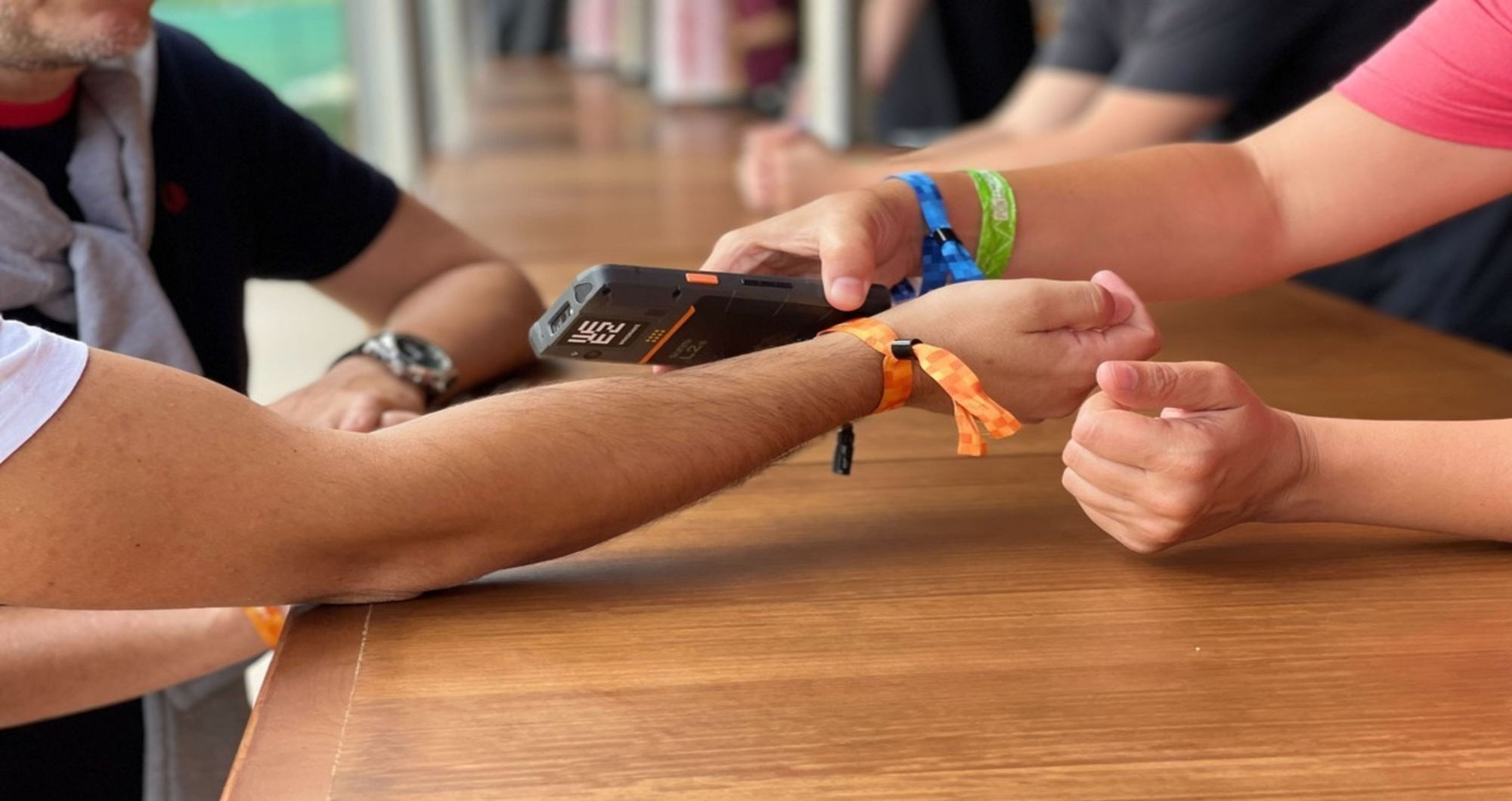

RFID at events has evolved from a tech buzzword into a practical solution that’s quietly transforming the way events are run across the UK. From smoother check-ins to smarter insights, RFID is helping organisers streamline operations while offering a better experience for attendees, whether at London’s bustling music festivals or professional conferences across the UK.
Understanding RFID at Events
Radio Frequency Identification (RFID) uses radio waves to identify and track objects—typically through tags and scanners. In the context of UK events, RFID is applied to wristbands, badges, or cards that attendees use to enter venues, make purchases, or engage with interactive experiences. This technology replaces outdated methods like paper tickets or barcodes, making the event journey seamless and data-rich.
How RFID Works Behind the Scenes
RFID systems rely on three main components: a tag (on an object or person), a reader (that collects data from the tag), and a backend system (that stores and processes the information). Tags can be passive (powered by the reader) or active (battery-powered with longer range), enabling real-time tracking and interaction across venues without the need for manual scanning.
Key Benefits for Organisers
The primary advantage of RFID at events in the UK is operational efficiency. Entry lines move faster with contactless check-ins, staff can monitor crowd flows in real-time, and data is captured automatically—eliminating tedious manual uploads. Security improves as organisers can control access to restricted zones and deactivate lost badges instantly, minimising risks of unauthorised entry.
Enhancing the Attendee Experience
From the perspective of attendees, RFID technology adds convenience and engagement. No need to fumble for tickets or cash; access and payments are handled with a simple tap of a wristband or badge. Event organisers can use collected data to personalise experiences, offering session recommendations or targeted messaging. Interactive games, smart networking features, and cashless spending make UK events more memorable.
Applications Across Event Types in the UK
RFID at events proves useful across diverse formats. London music festivals use it for quick entry and cashless transactions, while conferences deploy it for attendee tracking and session access. Sports venues enhance fan experiences and manage crowds efficiently. Even smaller corporate or private events benefit from simplified logistics and smoother flows.
Operational and Sustainability Advantages
Behind the scenes, RFID makes logistics easier. Equipment and supplies can be tracked in real-time, reducing losses and accelerating setup. Staff coordination improves, ensuring teams are deployed effectively. RFID also supports sustainable event practices by reducing paper tickets, maps, and other disposables, aligning with the UK’s growing emphasis on eco-friendly events.
Data-Driven Insights
RFID provides organisers with actionable insights. Real-time dashboards show crowd movement, popular zones, and potential bottlenecks. Post-event analysis allows planners to assess booth engagement, session attendance, and purchasing behaviour. These insights refine future events and help justify investment decisions to stakeholders.
Privacy and Security Considerations
Data privacy is critical. Responsible use of RFID involves encrypting sensitive information, limiting data storage, and being transparent with attendees. Security measures, such as deactivating lost tags and restricting access to confidential data, ensure ethical and safe usage of RFID technology.
Choosing the Right RFID Technology
When selecting RFID systems for UK events, integration with existing platforms—registration, marketing, or analytics—is essential. Look for flexible, user-friendly interfaces, durable tags, long-lasting battery life for active systems, and cloud compatibility. Reliable customer support can significantly impact the onsite experience.
Best Practices for Smooth Implementation
Start with a clear plan detailing the goals of RFID deployment, whether faster check-ins, improved tracking, or enhanced engagement. Test the system beforehand, train staff thoroughly, and have contingency measures in place. Clear instructions for attendees can prevent confusion and encourage adoption.
Common Challenges
RFID technology faces some challenges. Signal interference from metal structures or electronics can affect performance, tags may get lost or damaged, and reliance on Wi-Fi or power makes backup plans crucial. Educating attendees about RFID usage and addressing concerns about tracking is essential for smooth operations.
The Future of RFID at UK Events
Event technology continues to evolve, and RFID is set to become even more powerful. Integration with AI, IoT devices, or facial recognition could enhance personalisation and efficiency. Innovations like blockchain may improve security and transparency, particularly for identity verification.
Key Takeaways
RFID at events offers contactless solutions for access, payments, tracking, and data collection. It benefits both organisers and attendees by streamlining operations, enhancing experiences, and supporting sustainability. Success depends on careful planning, staff training, and reliable technology integration.
FAQs
How does RFID improve event security?
It enables precise access control, instant tag deactivation, and monitoring of movement within restricted zones.
Is RFID suitable for smaller events?
Yes, even smaller events benefit from smoother check-ins and better data insights. Scalable solutions exist for different budgets and needs.
Can RFID function without internet connectivity?
Some systems work offline temporarily, storing data locally and syncing when reconnected, but full functionality usually requires stable internet.
How to address privacy concerns with RFID use?
Be transparent about data collection, encrypt sensitive information, follow UK data protection laws, and inform attendees about usage while offering opt-out options when possible.