
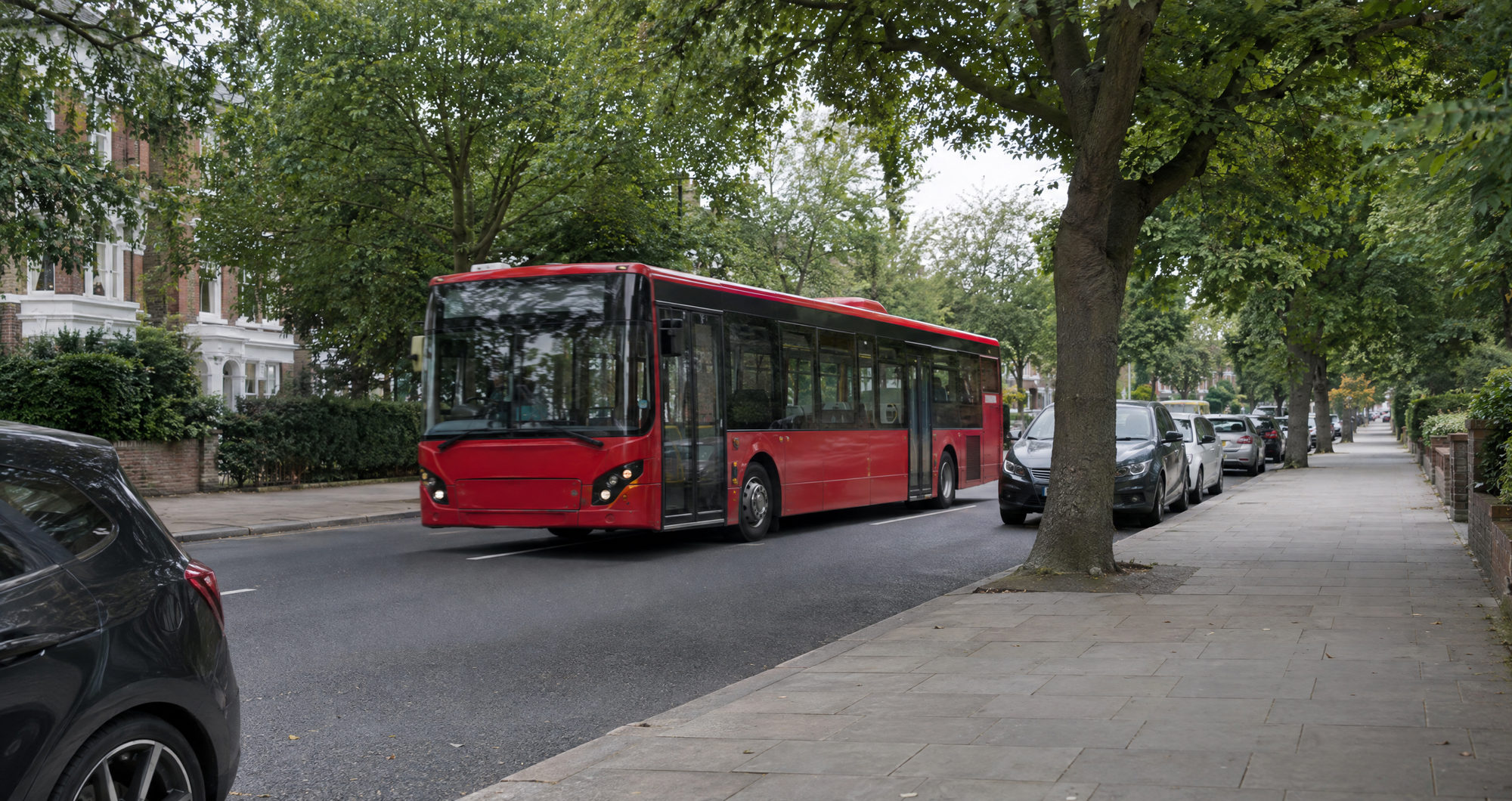

Richmond councillors have refused a package of proposed bus-priority design work for the SL7 Superloop and parts of the 285 and N285 routes through Hampton and Teddington. The decision also rejected a recommendation that officers enter discussions with Transport for London about additional SL7 stops at locations to be agreed.
The Transport and Air Quality Committee made the decision on 9 November. The committee refused all four recommendations. Its decision gave no reason for the refusal.
The refusal does not alter the buses currently running. It means the design work and proposed discussions were not authorised. The council remains able to make other representations to TfL, and the decision does not determine what will happen to the funding.
Stops and leverage
At the meeting, councillor Alexander Ehmann argued that the council needed leverage to bring about change and should hold out for a better outcome for residents. Councillor Carey Bishop said people in Hampton and Hampton Hill could not board the SL7 as it passed through their area. Councillor James Chard also raised concern about the distance between stops and transport connections.
The SL7 runs between West Croydon and Heathrow Central bus stations, crossing five outer London boroughs. In Richmond upon Thames it currently has one pair of stops, on Broad Street in Teddington. The council had already been lobbying TfL for additional stops in Hampton and Hampton Hill.
The committee was not being asked to approve the installation of new stops. Officers had sought authorisation to discuss them with TfL, with the locations still to be agreed. TfL determines the London bus network, while the council is responsible for local highway matters. Refusing the recommendation does not itself add a stop or change an existing one.
In a statement made before the decision, TfL said it kept the bus network under review and monitored Superloop routes to understand how customers used them. It also said it worked with local councils on improvements.
What the design work covered
The work had an approved £50,000 capital budget financed by a TfL grant. It was for preparing the schemes, including design and surveys, rather than construction. How the grant allocation will be used following the refusal is not established.
One element would have explored waiting and loading controls on the A312 Uxbridge Road in Hampton and the A313 Park Road through Hampton Hill and Teddington. On Ferry Road in Teddington, officers proposed designing a wider pavement at the Kingston-bound stop, alongside changes to waiting and loading restrictions on the other side of the road.
A separate feasibility design on the A309 Park Road in Teddington would have considered kerbside controls intended to help buses negotiate existing pedestrian refuges. The package also included detailed design and traffic surveys for possible banned turns at the signal-controlled junction of High Street, Hampton Road and Park Road.
These were measures to be designed and assessed, not road changes that had already been approved for installation. Statutory public consultation on the schemes was envisaged before any future delegated decisions. The committee’s refusal means the recommendations did not authorise that programme.
Speed and access
Officers presented bus priority as a way to address slower journey speeds and improve reliability. Possible approaches for an outer London borough include extending the hours of existing bus lanes, changing kerbside restrictions and using technology at traffic signals to give buses priority. Those possibilities were not all specific works approved for these streets.
TfL figures put average speeds at 12.31mph for the SL7 and 10.34mph for the 285 across the entirety of each route and all days and times in the stated reporting period. Those are route-wide averages, not measurements for Hampton or Teddington alone. Each route carried approximately 3.9 million passenger journeys in 2024/25.
For passengers and people using the roads, the immediate position is therefore unchanged. The decision leaves the council’s request for better local access unresolved and does not show whether a different priority scheme, further negotiations or a revised proposal will follow.







