
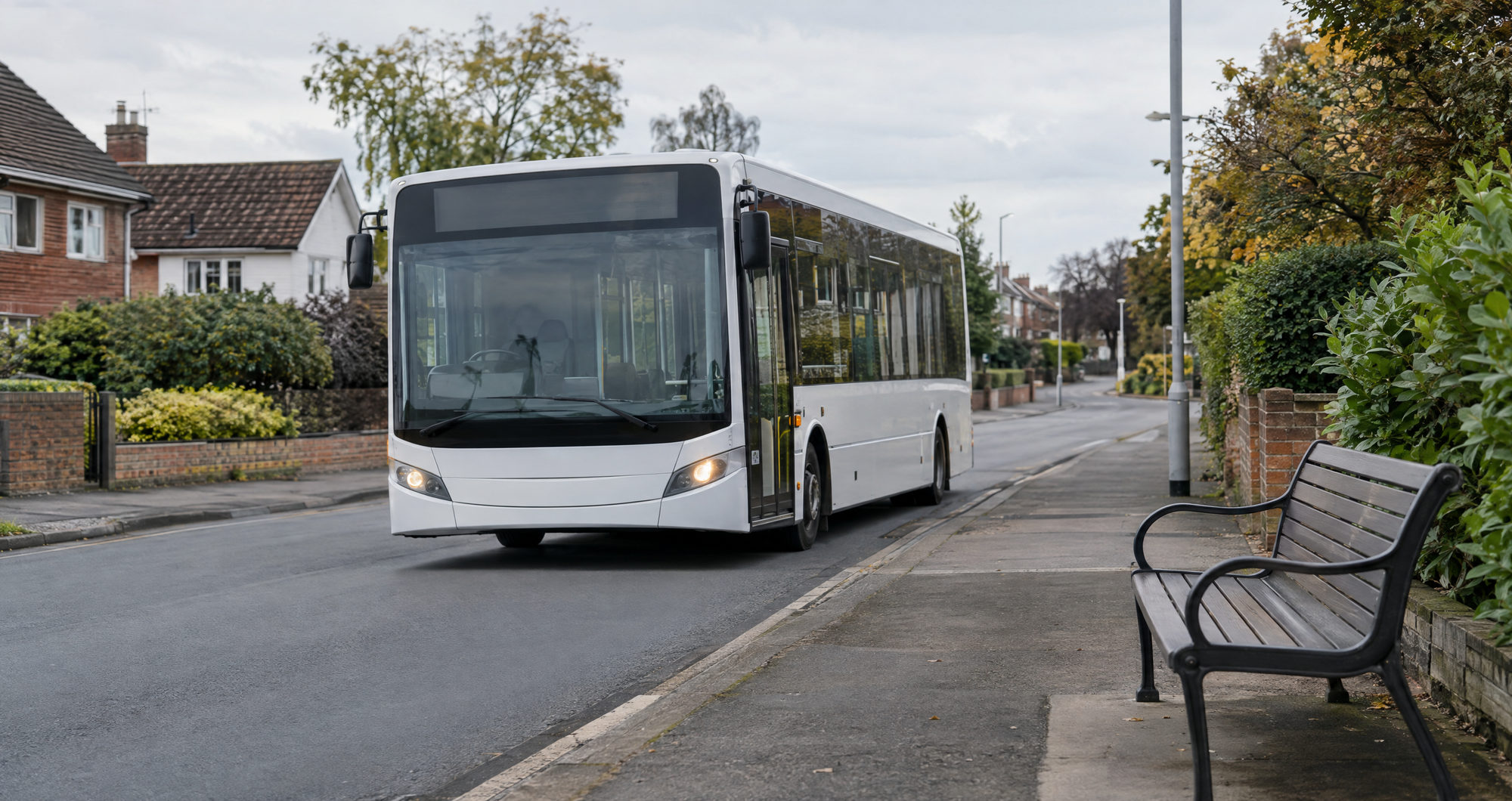

Richmond Council has agreed priorities for improving bus stops after its review identified missing timetable information, accessibility problems and uneven provision of shelters across the borough. The work will depend on available funding and consultation with ward councillors; the decision does not guarantee improvements at particular stops.
The review assessed facilities including seating, shelters and arrival information, as well as pavement conditions and kerb heights. The council’s Transport and Air Quality Committee noted the findings and agreed the proposed approach at its meeting on 9 November.
Information and accessibility
Council officers found that timetable information was missing or incomplete at an unacceptable number of stops. They had already asked Transport for London to add, update or replace information where necessary. Many stops without complete timetables also lack a countdown display.
Countdown signs were available at relatively few stops. Barnes, Kew and a large part of the west of the borough had virtually none. About two-thirds of stops had shelters, although Whitton stood out as having very few.
The council’s review also considered pavement condition and kerb heights, because these can affect pedestrian access and the use of bus ramps. Officers found only a few stops with kerbs too low for bus ramps to be deployed easily, but five were clustered in the West Twickenham and Heathfield area. Low kerbs and narrow pavements can present different obstacles: one affects the relationship between the bus and the pavement, while the other limits the space available to reach or wait at a stop.
To understand how facilities work for people with mobility difficulties, officers met members and users of RUILS, a local independent-living organisation. The discussions considered which stops users regarded as working well or badly. Locations raised included The Quadrant, the Admiral Nelson in Whitton, Teddington Lock and Cambridge Park.
The borough’s bus-stop work sits alongside its wider transport strategy. Officers assessed facilities because the waiting environment and access to service information form part of the bus journey, while suitable kerbs and pavements can affect whether passengers can reach a stop and board. The findings are intended to help the council develop a targeted improvement programme, rather than a promise to rebuild every location that needs work.
What happens next
The agreed priorities begin with correcting missing or incomplete timetables. They also include repairing poor pavements and raising low kerbs where road conditions allow. The council intends to press for countdown displays at shelters, initially focusing on stops served by several routes or less frequent services.
Other priorities are widening narrow pavements, subject to road conditions and funding support, and seeking shelters where the available highway space allows. Officers have identified stops where they consider improvements most needed, but ward councillors will also be consulted about locations before a targeted programme is developed.
Responsibility for the work is divided. Transport for London is responsible for shelters, seating, timetable information and countdown displays. The council is responsible for highway works such as fixing paving, raising kerbs and widening pavements around stops.
Minor highway repairs, such as fixing broken pavements, can be funded from existing approved budgets. Larger improvements, including raised kerbs and wider pavements, depend on Transport for London funding or other existing approved budget provision. The council expects its annual funding submission to include a bid towards stop improvements when the committee considers it in December.
The committee’s decision therefore establishes an order of work rather than a construction timetable. It records the request for better information and the areas officers want to address, while leaving individual schemes subject to funding, practical constraints and local consultation.







