

Saudi Arabia and Türkiye have signed an electricity cooperation memorandum at the COP31 climate conference, advancing plans for a programme of renewable power projects in Türkiye.
The document, signed in Antalya on 10 November, builds on an agreement made in Riyadh in February. That earlier agreement envisages 5,000 megawatts of renewable capacity in two phases, to be developed by Saudi company ACWA Power. The latest memorandum is a further step in that existing programme, not an announcement of another 5,000 megawatts on top of it.
Saudi Energy Minister Prince Abdulaziz bin Salman and Türkiye’s Energy and Natural Resources Minister Alparslan Bayraktar signed the memorandum in the presence of Turkish President Recep Tayyip Erdoğan. The February intergovernmental agreement entered into force on 21 October.
Solar first, then wind
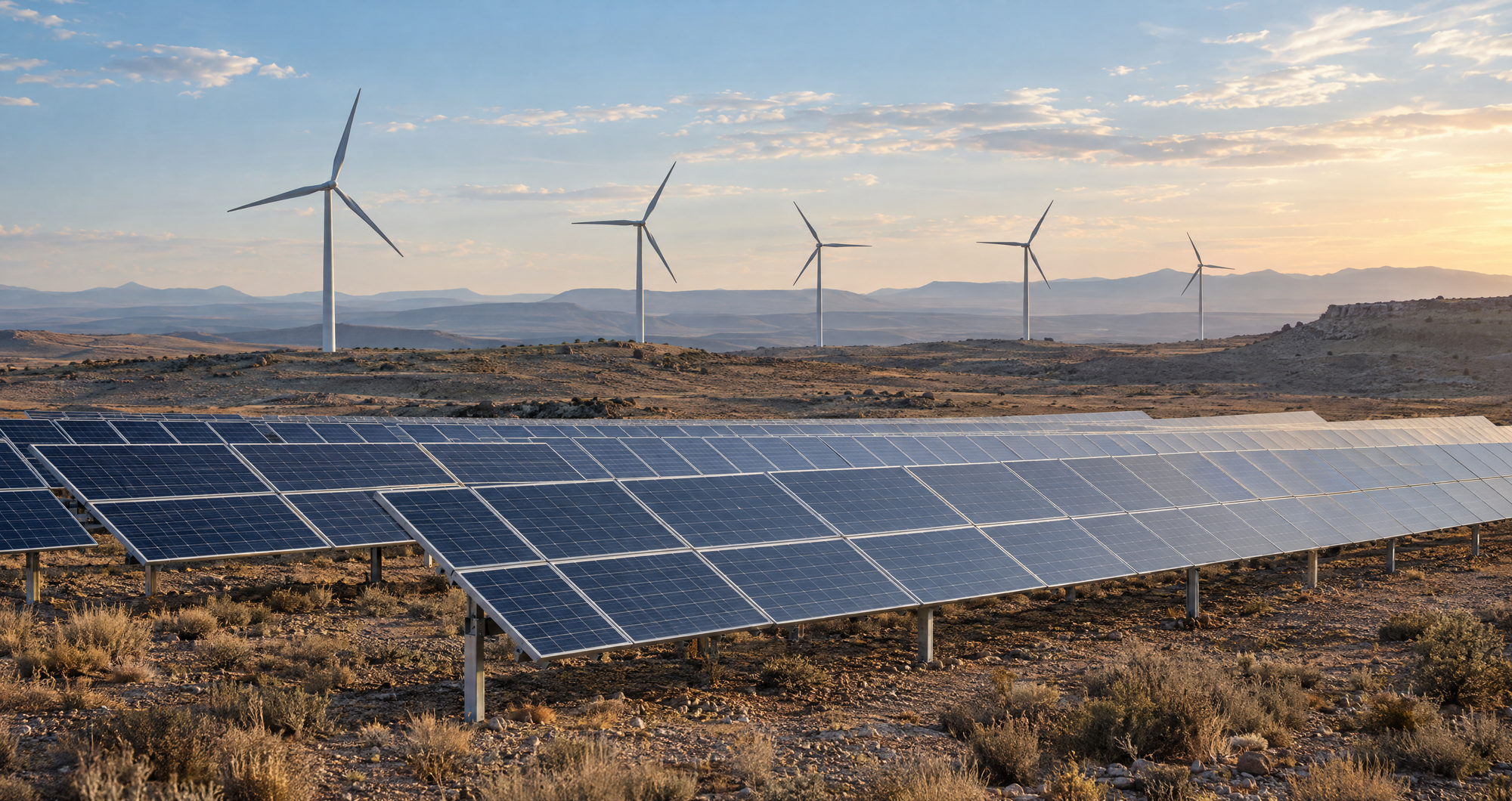
The first phase comprises 2,000 megawatts of planned solar capacity at Sivas and at Taşeli in Karaman province. Each project is designed to have a capacity of 1,000 megawatts. The second phase envisages a further 3,000 megawatts, with wind power plants supported by high-voltage direct current transmission infrastructure and battery storage.
Bayraktar said the Antalya signing would advance work on the second phase. The governments said progress had been made on the solar projects and that preparations for the later phase had reached an advanced stage. The announcements do not establish that the wind plants have been built or that they are already supplying electricity.
ACWA Power has previously said it would develop, finance, construct, commission and operate the two solar plants. It also agreed key terms with Türkiye’s state electricity generation company, EÜAŞ, for the purchase of the power they are expected to produce. Key terms set out the proposed framework for a transaction; they are not the same thing as electricity already being delivered.
Support for financing the solar plants
At a separate COP31 event on 11 November, eight international development and commercial lenders signed a letter of support for financing the Sivas and Taşeli projects. ACWA Power described the letter as a step towards arranging the financing for the two plants, rather than an announcement that all financing had been completed.
The lenders include the European Bank for Reconstruction and Development, the International Finance Corporation, the Asian Development Bank and Standard Chartered. ACWA Power puts the combined investment for the two solar projects at approximately €1.6 billion and expects them to begin operating in 2029. The date and investment figure are the company’s expectations, not proof of completion or a guarantee of the final cost.
The support letter relates to the first 2,000 megawatts of solar projects. It should not be confused with a financing commitment for the full 5,000-megawatt programme, or with the separate government memorandum on electricity cooperation.
Why transmission and storage matter
Wind and solar installations produce electricity when the weather permits, so their output varies. Battery systems can store electricity for use at another time, while transmission infrastructure carries power between places where it is generated and where it is needed. The proposed combination is intended to help the grid accommodate more renewable generation.
High-voltage direct current is a way to transmit electricity at high voltage using direct rather than alternating current. The announcement identifies that technology as part of the planned second phase, but does not specify the route of the proposed infrastructure or a timetable for the wind projects. The size, location and eventual performance of any storage facilities were not set out in the memorandum announcement.
The capacity figures measure the maximum rated output of generating equipment, not the amount of electricity it will produce continuously. Actual generation from wind and solar plants depends on conditions and how the facilities operate. A planned capacity should therefore not be treated as a measure of power already available to consumers.
A wider energy plan
Türkiye has set a target of 175 gigawatts of combined wind and solar capacity by 2040 as part of its national energy policy. The government also expects electricity demand to grow as the economy uses more power for transport, heating and other activities. The Saudi–Turkish programme is one proposed contribution to that wider expansion.
ACWA Power already has an investment in Türkiye through the 927-megawatt Kırıkkale power plant, a natural-gas facility commissioned in 2017. The planned Sivas and Taşeli projects are separate solar developments. Their progress, along with the design and financing of the later wind phase, will determine how the latest cooperation memorandum translates into generating capacity.







