
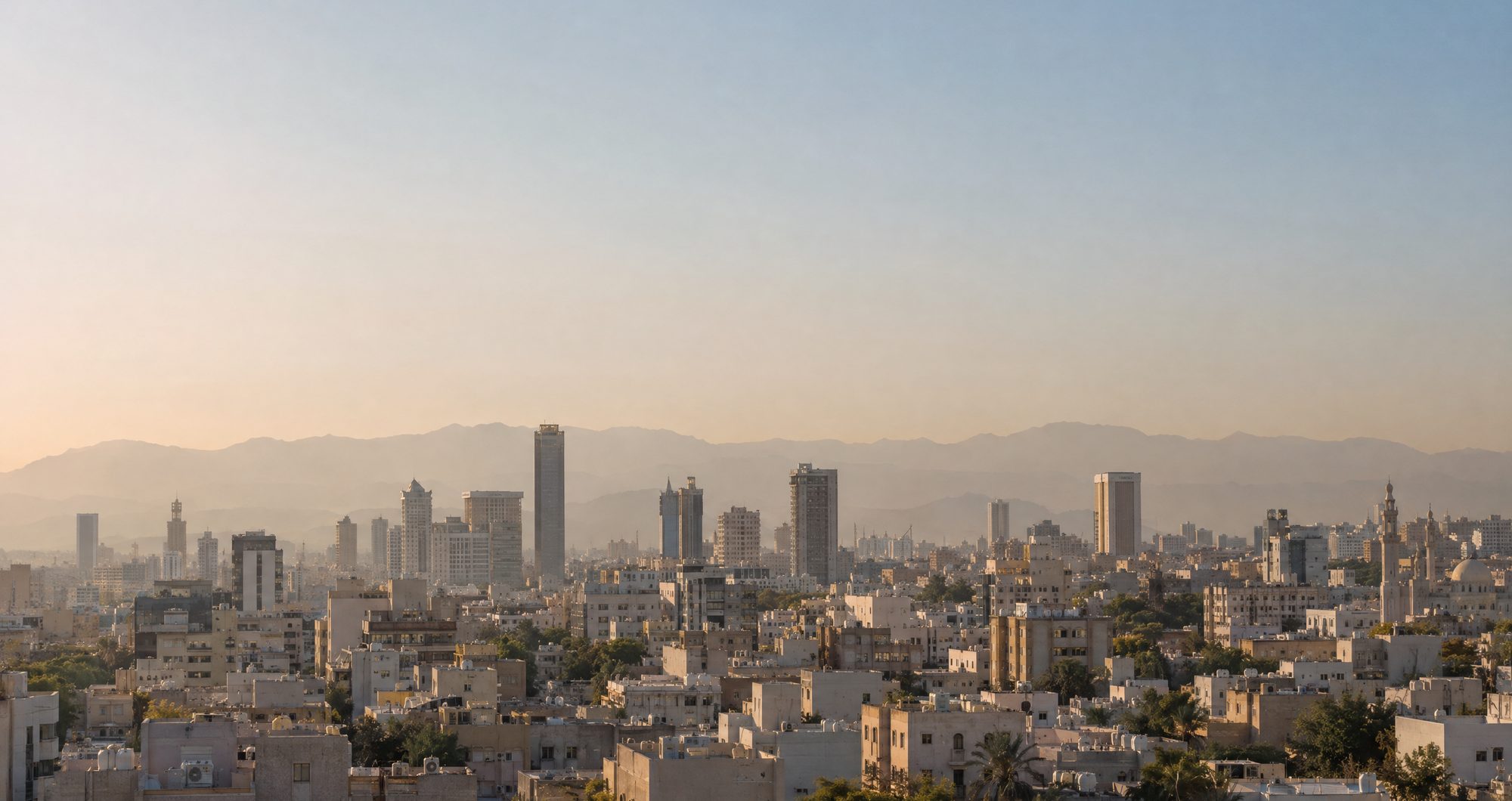

A Saudi-led coalition says its air defences intercepted and destroyed two ballistic missiles launched towards Riyadh, in the latest reported incident linked by the coalition to its conflict with Yemen’s Houthi movement.
The coalition attributed the missiles to Yemen’s Houthi movement. Its spokesman announced the interceptions early on Sunday 15 November, but the statement did not give an exact time for the launches or say where the missiles had been fired from. The account and the attribution of responsibility have not been independently confirmed.
The announcement did not specify an intended location within the Saudi capital, or provide an assessment of any damage or injuries associated with the reported interceptions. It should not be read as establishing that a particular building was targeted or that there were casualties.
Separate drone reports
The missile announcement followed a separate report on Saturday 14 November that two drones had been intercepted in the Riyadh and southern regions of Saudi Arabia. The coalition attributed those aircraft to the Houthis. Its statement did not explain how the two drones were divided between the regions or identify their precise targets.
Separately, the coalition said it intercepted drones in the Eastern Region. Two announcements issued early on Sunday each reported the destruction of an unmanned aircraft there. The statements did not specify where the aircraft were launched or what they were intended to hit. They concern reported drone interceptions rather than the ballistic missiles aimed towards Riyadh.
Saudi Arabia’s Eastern Region contains major oil and gas infrastructure. The reports of interceptions there do not establish that an energy facility was targeted or damaged in these incidents.
An earlier episode in the capital
Riyadh has been affected by previous attacks during the conflict. On 8 November, falling debris damaged an administrative building belonging to the oil company Aramco in the capital’s financial district. Saudi energy officials said there were no injuries or deaths at the building.
That was a separate incident from the two ballistic missiles reported on 15 November. The damage was attributed to falling debris, rather than being evidence that a missile directly struck the building. It illustrates why an interception does not necessarily remove every danger on the ground, without establishing that debris fell in the latest case.
The coalition backs Yemen’s internationally recognised government against the Houthis, who control the capital, Sanaa, and other parts of the country. The intervention began in 2015. The fighting has included attacks on Saudi airports, ports and energy facilities as well as Saudi air strikes against Houthi targets in Yemen.
Displacement and travel concerns
Inside Yemen, an assessment issued on 13 November recorded more than 340,000 people forced to flee their homes amid continuing hostilities and insecurity. Almost all were from the governorates of Taiz, Lahj and Al Hodeidah, and many had moved within their own governorates. The figure concerns displacement across the conflict, not people displaced by the latest reported interceptions.
Restrictions on key transport routes and continuing insecurity have delayed essential supplies and made it harder for aid teams to reach affected families. People who have left their homes may need shelter, healthcare and clean water as communities receiving them face pressure on already limited services.
In a security alert dated 13 November, US authorities warned citizens in Saudi Arabia of possible airport attacks, airspace closures, flight cancellations and travel disruption. They advised passengers to check a particular flight with their airline and airport. The warning concerned wider hostilities; it did not establish that the latest reported missiles had disrupted a specific flight.
The alert described Riyadh’s King Khalid International Airport as partially reopened from 23 October for domestic services and some international flights operated by national carriers. It said airports in Jeddah and Dammam were operating with some delays and cancellations. Those were conditions reported in the alert, not a guarantee of current services.
US government employees remaining in Saudi Arabia require special authorisation to use an airport, according to the same alert. That restriction applies to those employees, not to all passengers. Travellers face a changing situation and should follow current official instructions and check their own arrangements.







