

Bird keepers across Scotland are legally required to follow enhanced biosecurity measures after a nationwide prevention zone came into force at noon on 10 November.
The Scottish Government said the step followed an increase in detections of avian influenza, also known as bird flu, in wild and captive birds. The zone was declared by Scotland’s chief veterinary officer, Sheila Voas, to reduce the risk of the virus spreading among poultry and other captive birds.
The requirements apply across Scotland, including to people who keep small backyard flocks as well as commercial producers. The government said the zone would remain in place until further notice and would be kept under regular review.
What keepers must do
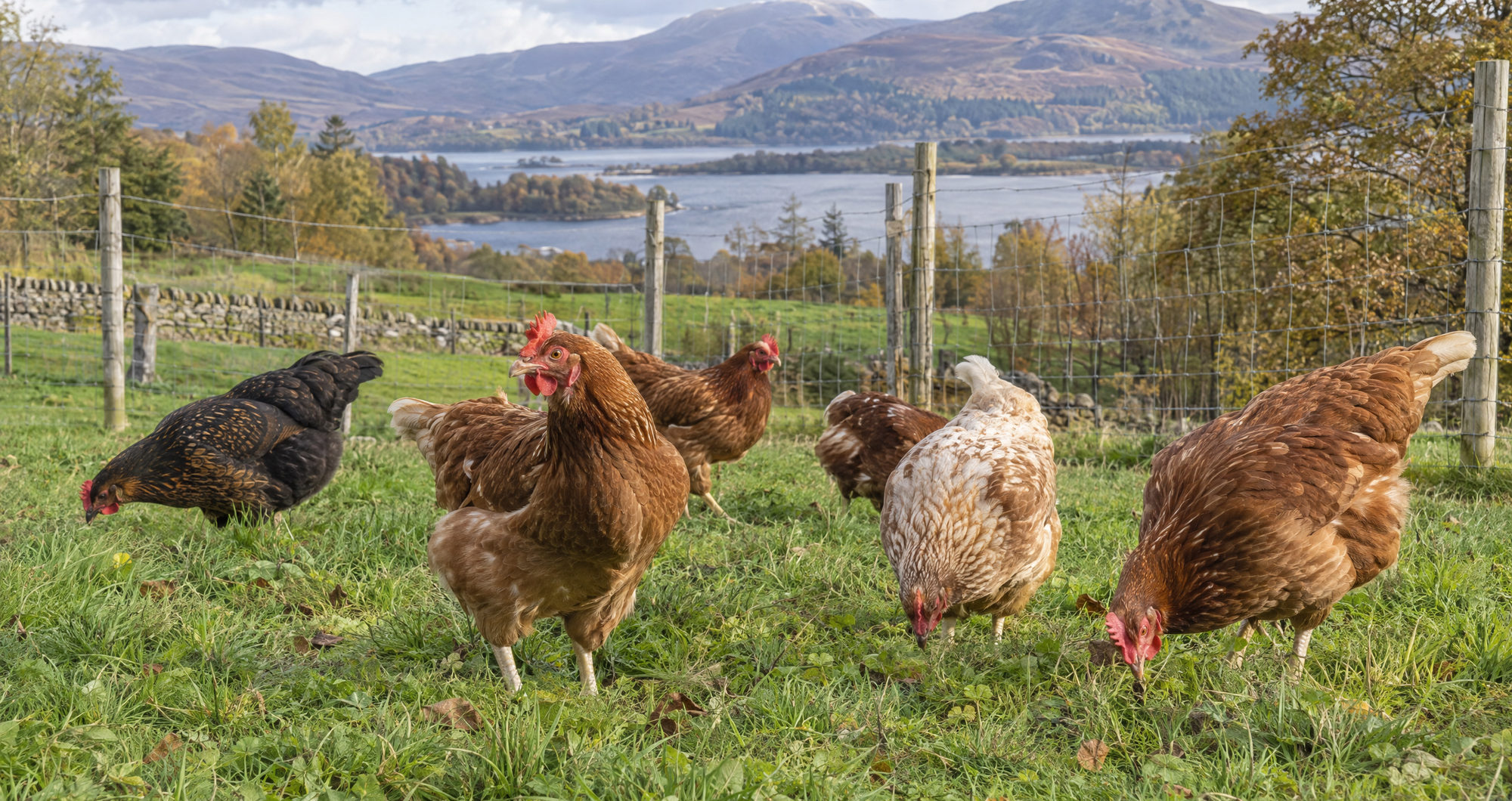
Free-ranging birds must be kept within fenced areas. Ponds, watercourses and permanent standing water must also be fenced off, although there are specific exceptions, including for some zoo birds.
Keepers must cleanse and disinfect footwear and keep the places where birds live clean and tidy. They must minimise movement in and out of enclosures, clean and disinfect concrete areas to reduce contamination, and fence off wet or boggy ground.
Domestic ducks and geese must be kept separate from other poultry. Feed and water must be provided in enclosed areas to discourage wild birds, while bird-keeping areas should be made less attractive to them, for example by removing wild bird food sources or netting ponds.
The announcement describes fencing, separation and hygiene measures; it does not state a blanket requirement to house every bird indoors. The government has advised keepers to familiarise themselves with the relevant avian influenza guidance and report any suspicion of disease to their local animal health field services office.
Guidance also sets out steps for keepers with more than 500 birds, including restricting access for non-essential personnel, changing clothing and footwear before entering bird enclosures, and regularly cleaning and disinfecting vehicles on site.
Subject to exclusions, bird keepers are legally required to register the locations of their birds on the Scottish Kept Bird Register and update their details at least once a year.
Cases and health advice
When it announced the zone, the Scottish Government said six cases of avian influenza had been recorded in kept birds in Great Britain during the current season. Two were in Scotland: one in a backyard flock on the Isle of Lewis and another at an egg producer in the Scottish Borders. The other four were in England.
The government said surveillance had detected highly pathogenic avian influenza circulating among wild birds across the UK. Since 21 October, nine of 65 dead wild birds tested in Great Britain had returned positive results, according to the announcement. That figure concerns tested birds, rather than an estimate of all infections in the wild.
Scottish public health officials assessed the risk to the public from the virus as very low. Food safety officials also said the food safety risk was very low and that properly cooked poultry and poultry products, including eggs, are safe to eat.
Members of the public are advised not to touch or pick up dead or visibly sick birds. Wild birds can carry diseases that are infectious to people.
In Great Britain, the government asks people to report a single dead bird of prey, swan, goose, duck or gull. It also asks for reports when five or more dead wild birds of other species are found at the same time. The public reporting advice is separate from the duty on keepers to report suspected disease in their own birds.







