
Market dips are inevitable. Whether you’re a seasoned investor or just starting your financial journey, moments of uncertainty can spark panic and tough decisions. Do you sell and cut losses, or hold steady and ride out the volatility?
According to Al Sollami, a seasoned investor and proponent of dividend growth strategies, the key to navigating a downturn lies in asking the right questions before making any moves. With the right mindset and information, you can transform market dips from panic-inducing to profit-building moments.
Let’s dive into some essential questions that can help guide your decision-making when the market takes a turn.
What’s the Reason Behind the Dip?
Before you even consider selling, pause and ask: What’s causing this market dip? Is it due to temporary economic concerns, geopolitical tensions, or perhaps fear-driven speculation?
Understanding the root of the decline is crucial. A short-term disruption (like a natural disaster or election results) might not justify offloading long-term holdings. However, if the drop is caused by deeper economic shifts—like changes in interest rates or inflation trends—it may be time to reassess your portfolio’s risk exposure.
For instance, Forbes outlines how rate hikes by the Federal Reserve often impact both stock valuations and investor sentiment, yet long-term strategies typically recover well over time.
Has Anything Changed with Your Investment?
According to Alfred Sollami, one of the first personal questions to ask is whether anything has changed with the fundamentals of the asset you’re holding. Take a close look at the company behind your stock or the structure of the fund. Are earnings declining? Has leadership changed? Is there new competition or innovation disrupting its industry?
If the investment still aligns with your original goals and has strong fundamentals, a dip in price may actually be an opportunity to buy more, not bail. This is where Al Sollami‘s long-term, dividend-focused strategy shines—he emphasises holding quality stocks that pay consistent dividends, even during down markets.
Are You Reacting Emotionally?
This is a big one. Emotional decisions and investing rarely mix well. Fear and anxiety during market downturns often lead to knee-jerk selling, locking in losses and sabotaging long-term growth. Instead, try to zoom out. What does your five- or ten-year horizon look like?
The Wall Street Journal notes that the average investor underperforms the market precisely because of emotionally charged decisions made during periods of volatility. Al Sollami encourages investors to remember their long-term strategy and resist the urge to sell out of fear. If your portfolio is structured with quality dividend growers and risk tolerance in mind, staying the course may prove more beneficial than selling in haste.
Does This Open a Buying Opportunity?
When the market dips, quality stocks often go “on sale.” If you have a watchlist of companies you’ve been eyeing, now could be the time to act. Again, it comes back to fundamentals. Are the companies you’re watching still solid, profitable, and growing their dividends? If yes, a lower share price could simply mean higher future returns.
Alfred Sollami often points out that downturns can be moments of realignment.“Reinvesting dividends and adding to quality positions when prices are low is one of the smartest long-term plays,”he advises.
By reframing a dip as a discount, rather than a disaster, you can potentially build wealth even when the broader sentiment is negative.
Do You Have a Plan?
Let’s face it—if you don’t have a clear investing plan, even small market wobbles can feel like the end of the world. A strategy gives you structure, and structure helps you stay calm. Ask yourself: What’s your risk tolerance? Do you have a diversified portfolio? Are you investing with clear goals—retirement, income, wealth accumulation?
If your answers feel vague or unsure, this might be a good time to revisit your financial plan. Remember, Al Sollami emphasises building a dividend growth portfolio that works for you. His approach involves owning companies that reward shareholders over time, regardless of short-term market movements.
What’s Your Time Horizon?
This is one of the most crucial aspects of investing during a downturn. Are you planning to use this money in one year, five years, or twenty? The longer your time horizon, the less impact short-term volatility will have. Historically, markets have always recovered. In fact, every major downturn has eventually been followed by a bull run.
If you’re a long-term investor, a dip may be just a blip. But if you need access to funds soon, your strategy might need adjustment. Either way, matching your investment decisions to your timeline will reduce stress and help you avoid rash actions.
Is the Dividend Still Intact?
For dividend investors, a market dip doesn’t necessarily change the income flow—unless the company cuts its dividend. This is why it’s important to monitor not just the stock price, but the payout itself. Al Sollami’s philosophy is rooted in building a portfolio that pays you, regardless of market conditions. If your holdings continue to generate passive income and remain financially healthy, a dip may have little impact on your income stream.
When dividends are stable or even increasing during a downturn, it’s often a sign of resilience and can be a reason to hold tight—or even double down.
Conclusion
Market dips are part of the investment journey. The decision to sell or hold should never be made in a vacuum or out of fear. By asking the right questions—about the market, your investments, and your mindset—you can make confident, informed choices. Al Sollami reminds us that the best investors are those who stay focused, stay informed, and stay patient. When you invest in value and dividends, sometimes the smartest move during a downturn… is no move at all.
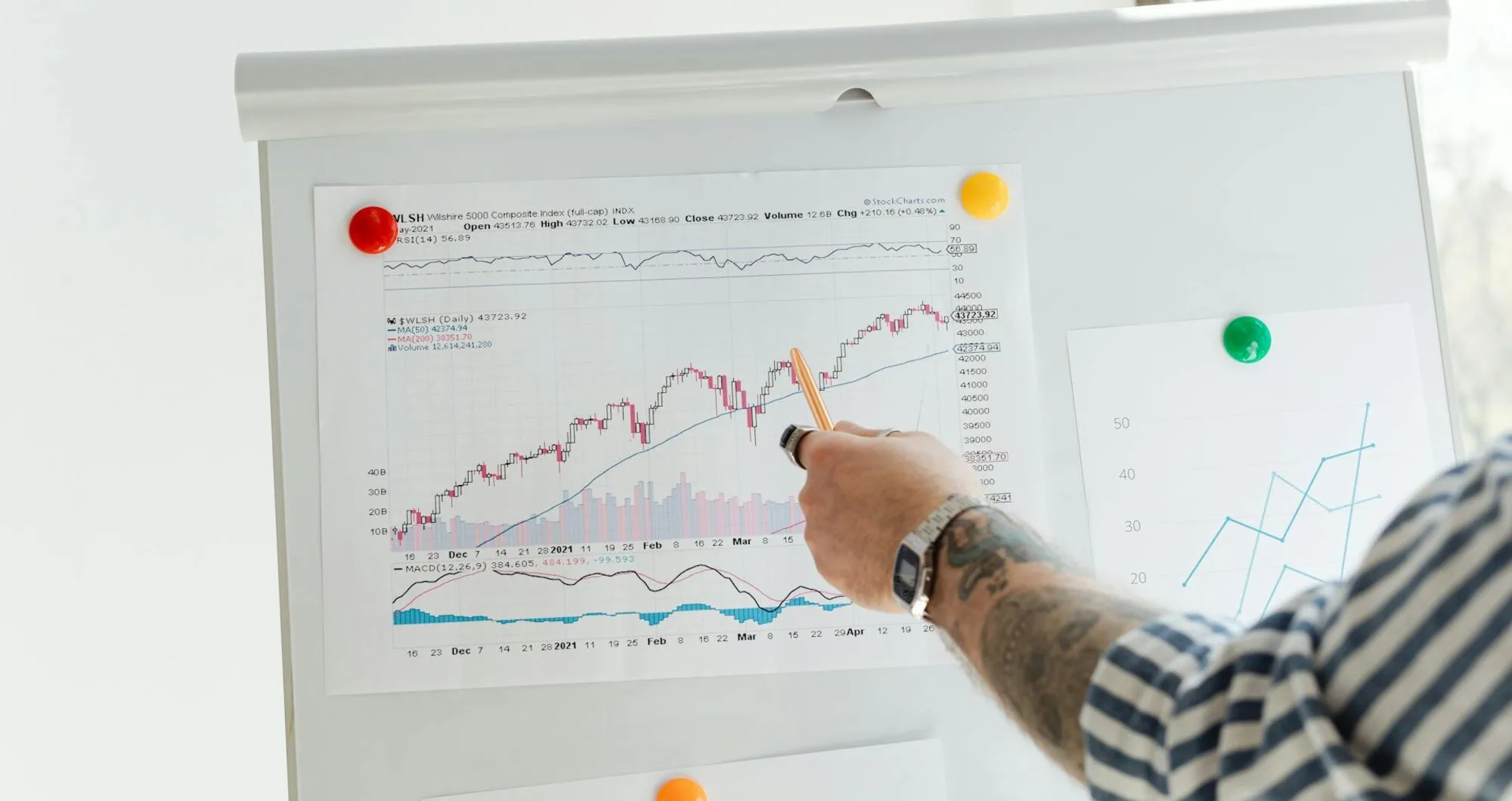
Feature Image by Sergei Tokmakov, Esq. https://Terms.Law from Pixabay