
Across the United Kingdom, architects and homeowners are increasingly drawn to natural materials that offer both aesthetic appeal and environmental responsibility. Among the leading options, Siberian Larch cladding has established itself as a preferred façade solution for its timeless character, durability, and sustainable sourcing. Its ability to adapt to diverse architectural styles — from contemporary urban builds to traditional countryside homes — makes it a benchmark for quality in exterior design.
A Timber with Character
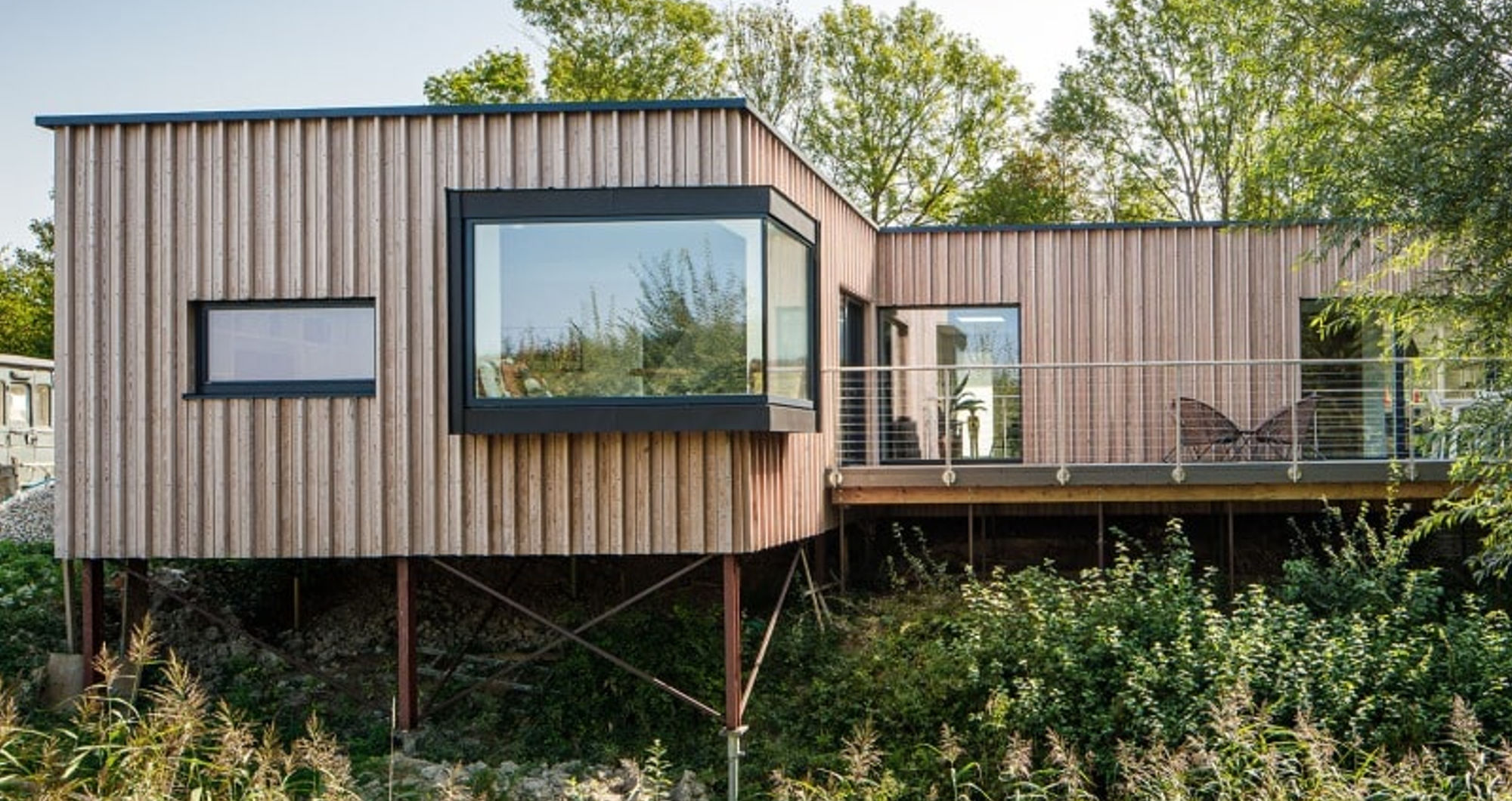
Siberian Larch is known for its dense grain, fine texture, and naturally high resin content. These characteristics give the wood exceptional weather resistance and strength, making it suitable for the UK’s variable climate. Its rich golden hue gradually weathers to a striking silver-grey tone, offering architects and designers the flexibility to achieve natural or aged visual effects depending on maintenance preferences.
Durability and Performance
One of the most valued qualities of Siberian Larch cladding is its longevity. When properly detailed and ventilated, it can last upwards of 50 years. The timber’s natural resin acts as a barrier against decay, insects, and moisture penetration. This built-in durability reduces the need for chemical treatments and frequent maintenance, supporting long-term sustainability and cost efficiency.
Sustainability Credentials
Sourced from responsibly managed forests in cold northern regions, Siberian Larch is a renewable material that aligns with the principles of sustainable design. It is frequently certified under FSC and PEFC schemes, ensuring traceability and forest stewardship. Compared to steel, brick, or cement, timber cladding offers a much lower embodied carbon footprint, helping construction professionals achieve BREEAM and LEED environmental ratings.
Applications in the UK Market
The versatility of Siberian Larch cladding makes it suitable for a broad range of applications — from large-scale commercial developments to bespoke residential projects. Its dimensional stability and natural grain pattern enhance both vertical and horizontal façade installations. Architects also specify it for soffits, garden studios, and educational buildings due to its visual warmth and tactile appeal. In urban regeneration projects, Siberian Larch contributes to sustainable placemaking while maintaining an organic aesthetic.
Installation and Finishing Options
Installation best practices include using stainless steel fixings, ventilated batten systems, and proper detailing to ensure moisture control. Depending on design intent, the wood can be left untreated for natural weathering or coated with UV-protective oils to retain its honey-gold colour. Thermal modification and fire-retardant treatments are also available for projects requiring enhanced performance or compliance with Euroclass B standards.
Why It Fits Modern British Design
Modern architecture in Britain increasingly blends sustainability with character. Siberian Larch bridges this demand perfectly — offering a natural aesthetic that complements steel, glass, and stone while providing superior environmental benefits. Its tactile surface and variation in tone create façades that age gracefully, reflecting both craftsmanship and environmental awareness.
Conclusion
For developers, architects, and homeowners seeking a sustainable yet elegant material, Siberian Larch remains one of the most trusted choices. Its durability, weather resistance, and aesthetic flexibility make it suitable for a wide range of British projects — from rural retreats to urban landmarks. To learn more about specifications and supply options, visit Timber Cladding Specialists to explore Siberian Larch Cladding.