
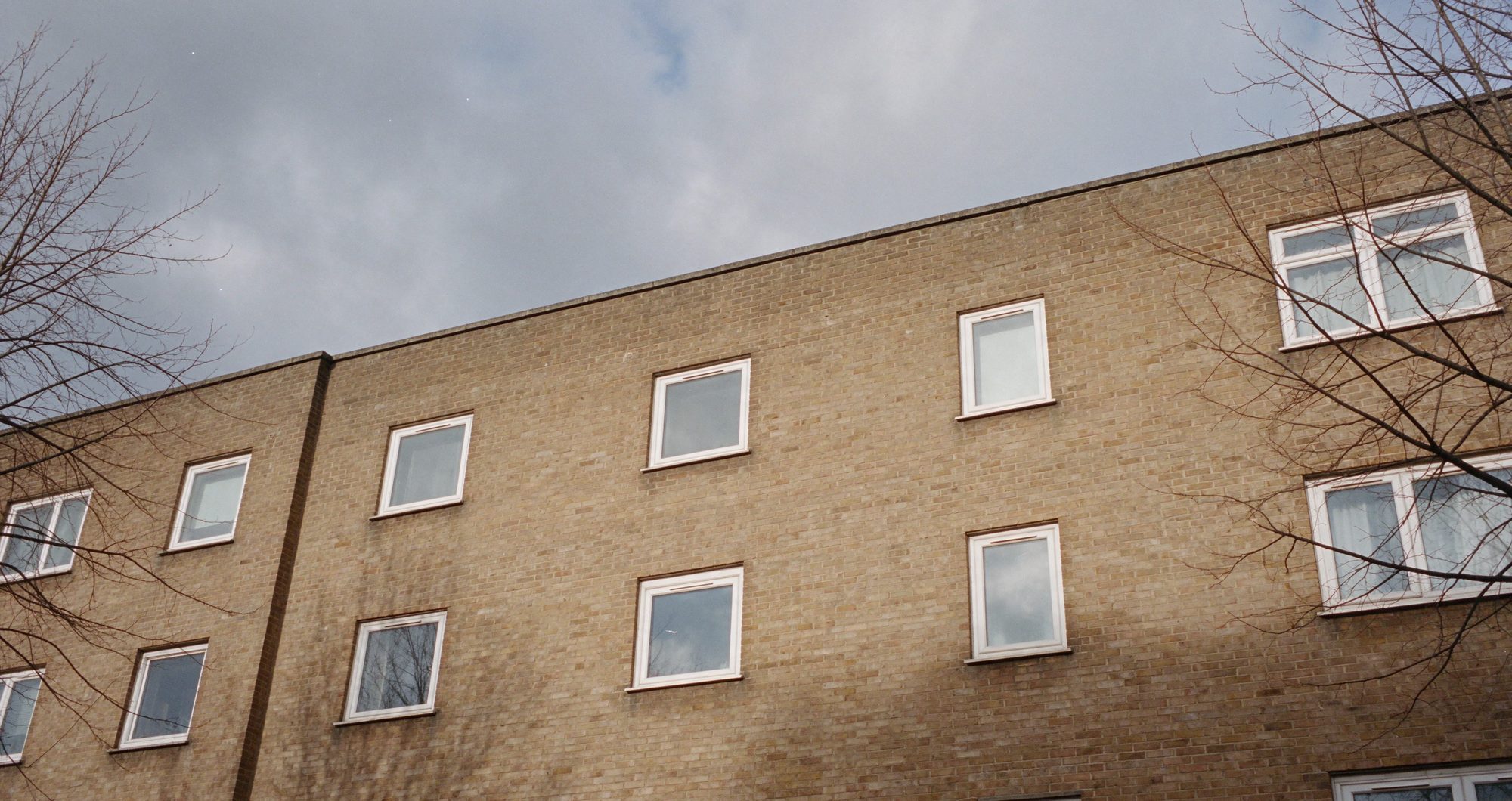

A fire damaged part of a sixth-floor flat in Finchley on Thursday, with eight fire engines and around 60 firefighters sent to the residential block on Regents Park Road.
London Fire Brigade said it was called at 15:25 on 26 November and brought the fire under control by 16:59. Its Fire Investigation Team is examining the cause.
Crews attended from Finchley, West Hampstead, Mill Hill and Paddington fire stations, as well as surrounding stations. The incident took place in the London Borough of Barnet.
The Brigade’s completed incident report describes damage to part of the flat. It does not give casualty figures or say how many residents, if any, were evacuated. Those details therefore remain unconfirmed.
Investigation into the cause
The cause has not been established in the Brigade’s public account. Its confirmation that an investigation is under way does not identify what started the fire or attribute responsibility to any person.
During the response, the Brigade asked people to avoid the area while firefighters worked to bring the incident under control. That warning related to the active firefighting operation and should not be taken as confirmation that roads remain closed on Friday.
The official account records the operational control time as 16:59 on Thursday. This is the time at which the Brigade says the fire was brought under control, rather than the time at which a later public announcement appeared.
Knowing the fire plan for a block of flats
Separately from its account of the Finchley incident, London Fire Brigade’s general advice for people living in flats stresses the importance of knowing their building’s evacuation plan. The guidance is not a finding about this block or the circumstances of Thursday’s fire.
The Brigade says landlords, housing providers or managing agents should tell residents about the fire-safety arrangements for their building. A plan may advise people to stay put or to leave, so residents should not assume that the same instructions apply to every block.
Where the building’s advice is to stay put, the Brigade says residents should close their windows and doors, call 999 and tell control officers where they are. They should follow the guidance given by control officers and firefighters. Anyone directly affected by fire, smoke or heat should leave if they can do so safely.
Where the plan is to evacuate, its guidance is to close doors behind you, use the stairs rather than a lift and avoid stopping to collect valuables. People should call 999 as soon as it is safe and should not assume someone else has already called.
If fire or smoke prevents a safe escape, the Brigade advises finding a safe room away from the fire, closing the door and calling 999. Control officers can provide guidance while firefighters make their way to the caller.
Its wider prevention advice also asks residents to keep communal corridors and staircases clear. Clutter can obstruct escape routes, provide fuel for a fire and delay firefighters. Fire doors should be maintained and must not be propped open.
The Brigade also advises people who may need help to evacuate, including those with limited mobility or hearing or sight loss, to speak to their landlord or housing officer about a personal emergency evacuation plan tailored to their needs.
For protection inside the home, the Brigade recommends appropriate smoke alarms in rooms where a fire could start and a heat alarm in the kitchen. People whose circumstances could delay their response or escape may need specialist alarms or further advice. The Brigade offers free home fire-safety visits to help assess those needs.







