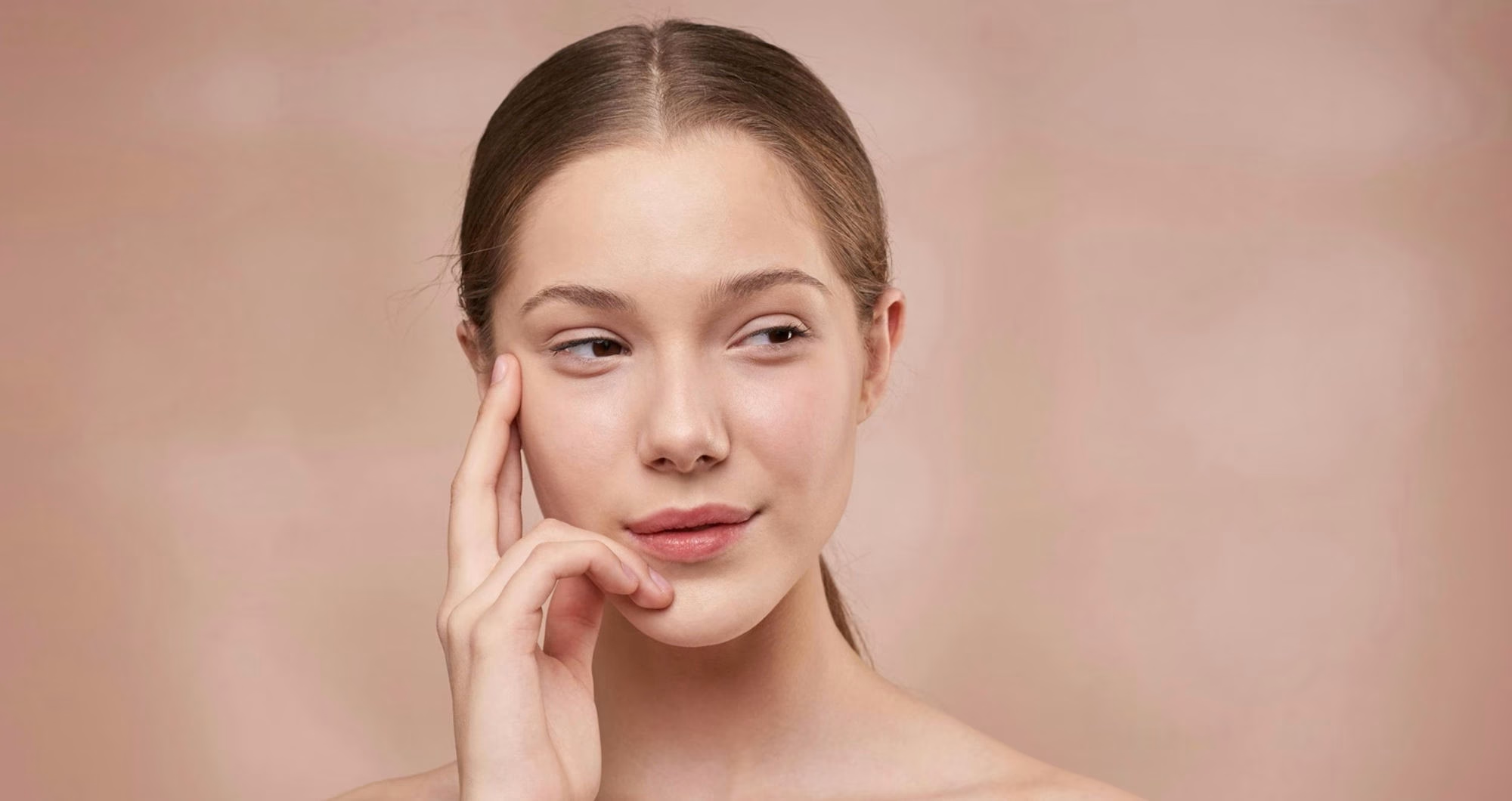

Skincare is more than just routine; it’s a rapidly evolving expression of personal wellbeing, innovation, and mindful living. No longer confined to lengthy multi-step regimens or hollow marketing claims, today’s skincare consumers are driving seismic changes in the beauty industry, emphasising transparency, customisation, and meaningful results that reflect real lives and real skin.
This year, the global skincare conversation is buzzing with potent new actives, biotech breakthroughs, digital personalisation, and a collective push for planet-friendly practices, all while dismantling tired beauty stereotypes and welcoming inclusivity.
Leading this change is a surge in demand for outcome-driven routines and thoughtfully selected ingredients. Discovering the best solutions has become a blend of consulting, science-backed formulations and harnessing digital tools that analyse individual skin needs. Personalised skincare powered by AI technology, for example, tailors routines for every skin type and concern, factoring in lifestyle, local climate, and even stress levels to generate unique recommendations. As the “one size fits all” mentality fades into the past, these hyper-personalised digital consultations and the sophisticated products they recommend are fast becoming beauty essentials for everyone from skincare novices to savvy enthusiasts.
Trending Ingredients and Treatments
Among the most exciting innovations this year are breakthrough ingredients and regenerative treatments. Biotech-derived actives, like lab-grown collagen and hyaluronic acid, combine sustainability with efficiency, offering eco-friendly yet potent alternatives to traditional sources. Exosome-based serums, borrowed from regenerative medicine, are in the limelight for their ability to promote cellular repair, reduce fine lines, and boost resilience, hyped as the next frontier in preventative and anti-ageing skincare.
The emphasis on skin longevity is replacing dated anti-ageing messaging. Products with peptides, ceramides, and growth factors now focus on strengthening the skin’s barrier while counteracting damage from blue light and environmental pollutants. Ectoin, an amino acid derivative, is quickly gaining popularity for its protective hydration properties, helping skin remain vibrant and well-defended against daily urban stressors.
Holistic Skincare and the Role of Wellness
Wellness is now inseparable from skincare. Ingredient trends reflect a growing link between mental health and the skin—adaptogens like ashwagandha and reishi, long used in herbal medicine, are being incorporated for their calming, anti-inflammatory benefits. Brands are designing products that deliver not only physical improvements but also a multi-sensory experience, using soothing botanicals and even mindfulness rituals like guided facial massage to encourage stress relief alongside visible results.
The Era of Microbiome and Barrier Care
Protecting skin’s natural microbiome is one of the most important shifts in 2025. Rather than targeting every blemish or imperfection with harsh actives, consumers are choosing products formulated with prebiotics, probiotics, and gentle acids. These support a healthy microbiome, which, in turn, ensures smoother texture, even tone, and improved resilience over time. This “softer, smarter” approach also extends to exfoliation, polyhydroxy acids (PHAs) and enzyme-based exfoliants offer gentle resurfacing for sensitive, irritation-prone skin.
Minimalism Meets Multi-Functionality
The globally trending ‘skinimalism’ movement is thriving: fewer products, but smarter ones. Multifunctional formulas, such as serums with SPF, tinted moisturisers packed with antioxidants, and all-in-one cleansers, are saving time and reducing environmental impact. Consumers seek minimalist routines that simplify daily habits without sacrificing efficacy, with a special focus on high-performance actives like niacinamide and multifunctional peptides.
Sustainable Practices and Eco-Conscious Packaging
Environmental responsibility in skincare is no longer optional. Waterless formulas, concentrated serums, and solid cleansers that reduce waste and carbon footprint are dominating shelves. Brands are also embracing refillable packaging and upcycled ingredients—like coffee grounds, fruit peels, and grape seed extracts reframing sustainability as an integral part of beauty, rather than a side note. This commitment to clean, ethical production is helping consumers feel good about what they put on their skin and into the world.
Inclusive and Diverse Skincare for All
Inclusivity is the new industry mandate. Skincare brands are finally recognising the diversity of skin tones, types, and cultural backgrounds. Advanced shade ranges, fragrance-free options, and expertly formulated products for melanin-rich skin are becoming standard lines rather than rare finds. In expert circles, 2025 is being hailed as the year when brands have truly listened, developing inclusive ranges that honour the unique concerns of every consumer.
Skincare for Every Lifestyle
From busy professionals to skincare-obsessed Gen Z creators, and sensitive-skinned toddlers to active seniors, 2025’s skincare landscape reflects real diversity in lifestyle and need. The “skinification” of body care is also a major movement—body lotions, scrubs, and even deodorants now feature the same advanced actives as high-end serums, blurring the once-rigid lines between face and body routines.
Skincare is all about empowerment, progress, and holistic care. Individuals want products that are as versatile as their lifestyles and as unique as their skin. Fuelled by science, simplified routines, eco-friendly ethics, and digital innovation, the new wave of skincare is helping everyone find the glow that fits their life—not just their face. This is the era of skin confidence and informed choices, setting a bold new standard for beauty and wellbeing worldwide.