

More than 2.65 million South African voters were approved to cast special votes ahead of the local government election scheduled for Wednesday 4 November. The two-day special-voting period was set for Monday 2 and Tuesday 3 November, with the Electoral Commission preparing home visits as well as voting at registered stations.
The approved total was 2,655,067. It comprised 678,525 voters due to receive a visit at their residence and 1,976,542 authorised to cast a special vote at their registered voting station. The two routes address different practical barriers to voting before election day. Home visits are intended for voters with physical infirmity or disability, while station-based special votes accommodate registered voters who cannot attend on election day for other reasons.
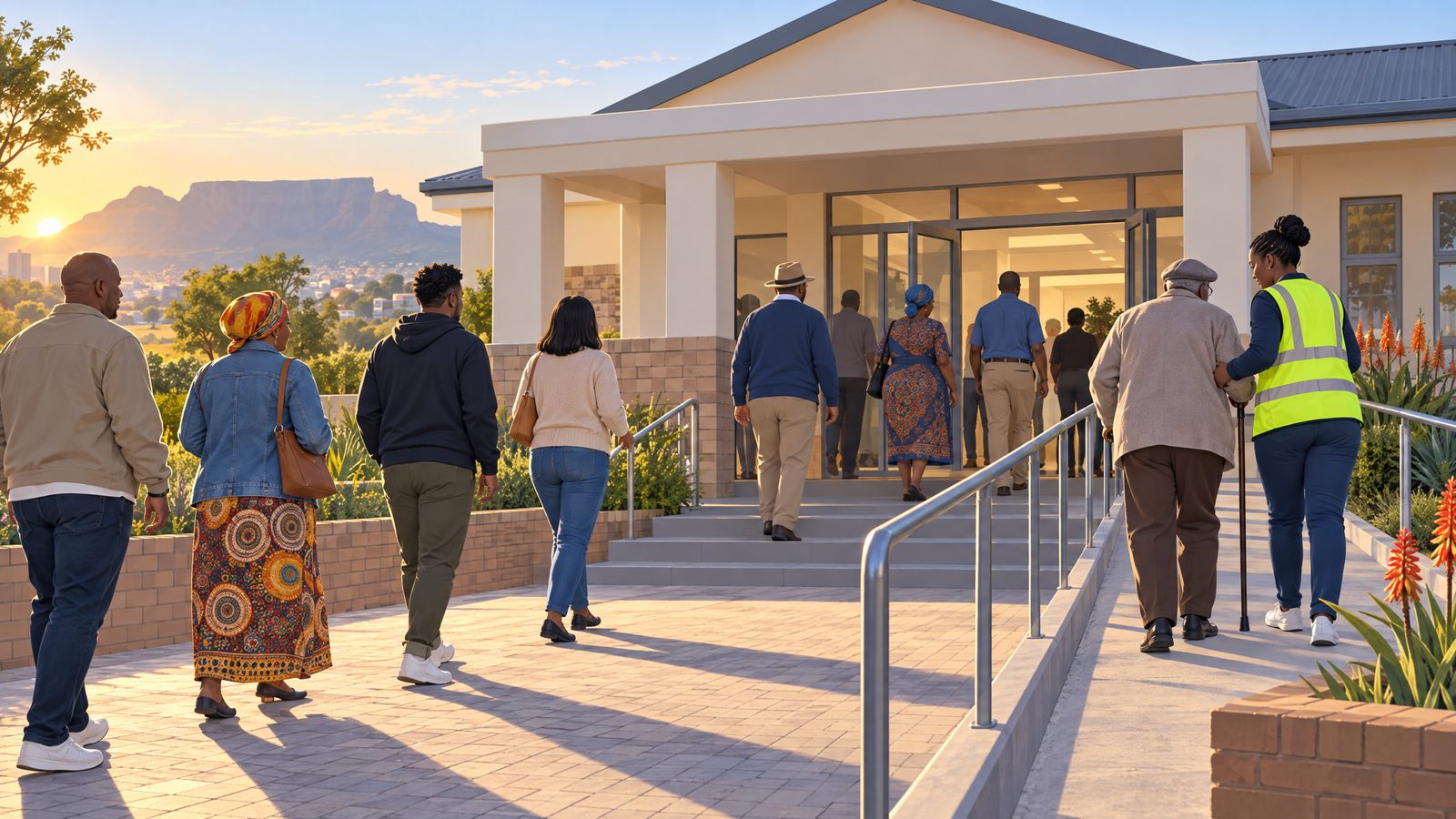
The Commission said it had deployed 127,000 electoral officials to administer the special-voting operation. For station-based voters, polling places were scheduled to open from 08:00 to 17:00 on both days. Approval did not allow a voter to choose any convenient site: those using the station option were directed to the place where they were registered.
How the two routes work
Officials were to visit home-vote applicants at the addresses given in their applications. The Commission asked those voters to remain there until served, explaining that teams covering large areas might not be able to return if someone was absent when they first arrived. The advice was operational: voters who missed a visit were not barred from voting altogether.
Anyone approved for a home visit but not reached during the special-voting days could still go to their registered station on 4 November and vote on election day. That fallback is distinct from the station-based special-vote appointment, which was restricted to the two advance dates and the voter’s registered location.
Voters were reminded to bring an accepted South African identity document. The listed options included a smart identity card, a green barcoded identity book or a temporary identity document issued by the Department of Home Affairs. The Commission also provided channels for checking special-vote status and station details before travelling, including its contact services and online facilities.
Ballots held until election day
Special votes were not due to be counted on 2 or 3 November. The stated procedure was to secure the ballots after they were cast, reconcile them with special-vote records, and then open and count them alongside ballots cast on election day. Party agents, representatives of independent candidates and accredited observers could observe the process under the applicable rules.
Keeping the ballots sealed until the common count is intended to protect secrecy and the integrity of the process. The announcement described the handling arrangements; it did not report a count, a result or a finding about the election. The local government poll remained scheduled for 4 November when the readiness information was issued.
Weather and practical preparations
The Commission’s forecast-based advisory anticipated a possibility of rain in parts of KwaZulu-Natal, Gauteng, Mpumalanga and the Western Cape during the special-voting period. It said conditions were expected to be hot in North West, Limpopo, Northern Cape and Free State, and encouraged voters to check local forecasts and plan accordingly. These were regional expectations, not a claim that every locality would experience the same weather.
The provincial figures show the scale and geographic spread of the approved operation. Gauteng had the largest overall number, at 480,721, followed by the Eastern Cape with 401,971 and KwaZulu-Natal with 348,971. KwaZulu-Natal had the most approved home visits, 143,714, while Gauteng had the highest station-based special-vote total, 391,589. The figures describe approvals rather than ballots already cast.
Special voting is an accessibility and scheduling arrangement within the wider election, not a separate election or an early announcement of its outcome. Its practical details matter to voters because the route, place and time depend on the approval they received. Those approved for a home visit were asked to stay available; those approved for station voting needed to attend the correct registered station during its special-voting hours. For a missed home visit, the stated alternative remained election day at the registered station.







