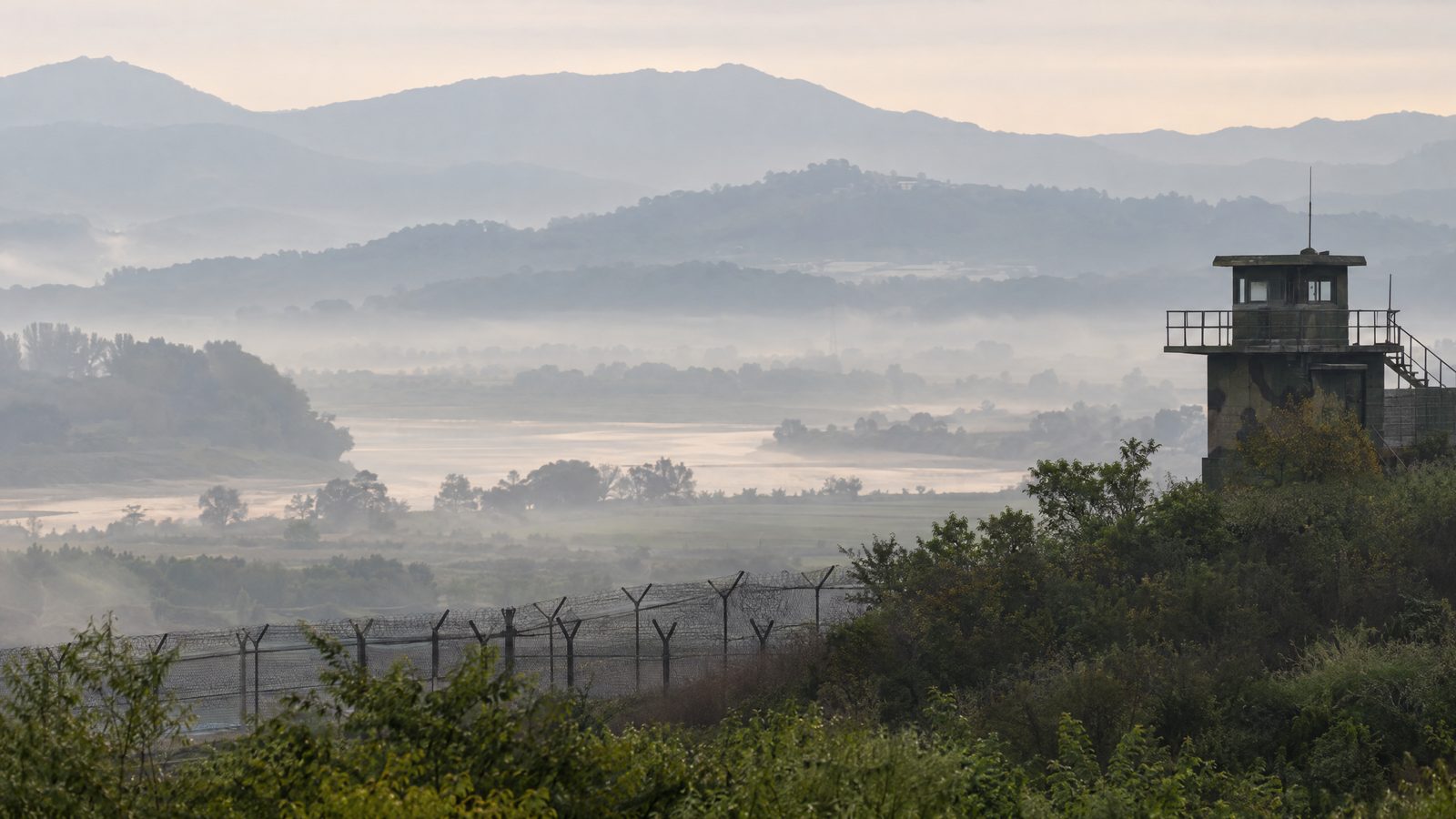

South Korea will continue taking necessary measures in response to the mine-blast incident in the demilitarised zone, National Security Adviser Wi Sung-lac said in a briefing registered by the Presidential Office on 30 October.
Wi said the government would maintain a response based on clear principles. The office described measures already taken, including an investigation with the United Nations Command (UNC), mine clearance, diplomatic representations and repeated proposals for inter-Korean military talks.
The incident involved two explosions on 21 September. The South Korean Joint Chiefs of Staff’s preliminary findings linked them to North Korean resin antipersonnel mines with high likelihood and said three South Korean soldiers were injured, two critically.
North Korea disputes the cause and responsibility. In a statement dated 29 September, Kim Yo-jong rejected South Korea’s investigation account and called the incident a South Korean fabrication.
Investigation findings and disputed responsibility
The UNC said on 30 September that its investigation had found a violation of the Armistice Agreement. It also said a joint team working with South Korea had identified an active North Korean mine south of the Military Demarcation Line.
That statement set out the UNC’s assessment of the investigation and a specific finding concerning a mine. The South Korean military’s preliminary account separately addressed the two explosions, identifying North Korean resin antipersonnel mines as their likely cause.
The two accounts therefore have different stated scopes. The UNC reported an Armistice Agreement violation and the identification of an active mine, while the Joint Chiefs of Staff expressed a high likelihood in its preliminary assessment of what caused the explosions.
Those findings remain contested by North Korea. Kim’s statement rejected the South Korean account rather than accepting its conclusions. Her allegation of fabrication is North Korea’s stated position, not an established explanation of the incident.
In the 30 October briefing, the Presidential Office said the government had investigated the incident with the UNC and cleared mines at the site. These were official South Korean statements about the investigation and the government’s own response.
Diplomatic steps and proposals for talks
The Presidential Office said South Korea had sought an apology and responsible measures from North Korea. It described those demands as part of the response to the incident; they were requests to North Korea, rather than an account of an apology or measures received.
The office also said the government had used diplomatic channels, including a letter to the United Nations Security Council. The letter was identified as a step taken by South Korea. It is distinct from the investigation findings reported by the UNC.
Wi said South Korea had repeatedly proposed talks between the two sides’ military authorities. The briefing described proposals for inter-Korean military discussions, not an agreement to hold a meeting or an outcome reached through those discussions.
The account placed the military and diplomatic approaches alongside the work at the mine site. Investigation and clearance were described as actions already undertaken, while the requests for an apology, responsible measures and military talks concerned what South Korea was seeking from North Korea.
The sequence spans the September explosions, the competing accounts issued later that month and the government’s October briefing. By 30 October, Wi was reaffirming South Korea’s approach after both the UNC’s stated findings and North Korea’s rejection of the investigation account.
His commitment was to continue necessary measures on clear principles. The briefing presented that position alongside the steps the government said it had taken, while the underlying disagreement over the incident’s cause and responsibility remained unresolved between the two sides.