

The Asian Development Bank has set out US$300 million in financing for water supply and sanitation in Sri Lanka, combining planned infrastructure works with a separate programme of sector reforms.
In an announcement dated 9 November, the bank said it had approved two projects: US$200 million for water and sanitation infrastructure and US$100 million for the second stage of a reform programme. The announcement does not give the dates on which the bank approved each component.
Some steps had already been taken. Sri Lanka’s Treasury says agreements for the US$100 million reform loan were signed on 6 November. The government had also approved the infrastructure project and the start of procurement for its constituent schemes in May.
Water supply and sanitation works
The larger project is intended to improve access to safe, reliable water for more than 1.3 million people in the Western and Southern provinces. It also aims to improve sewerage and sanitation services for almost 250,000 people in Jaffna, in the Northern Province.
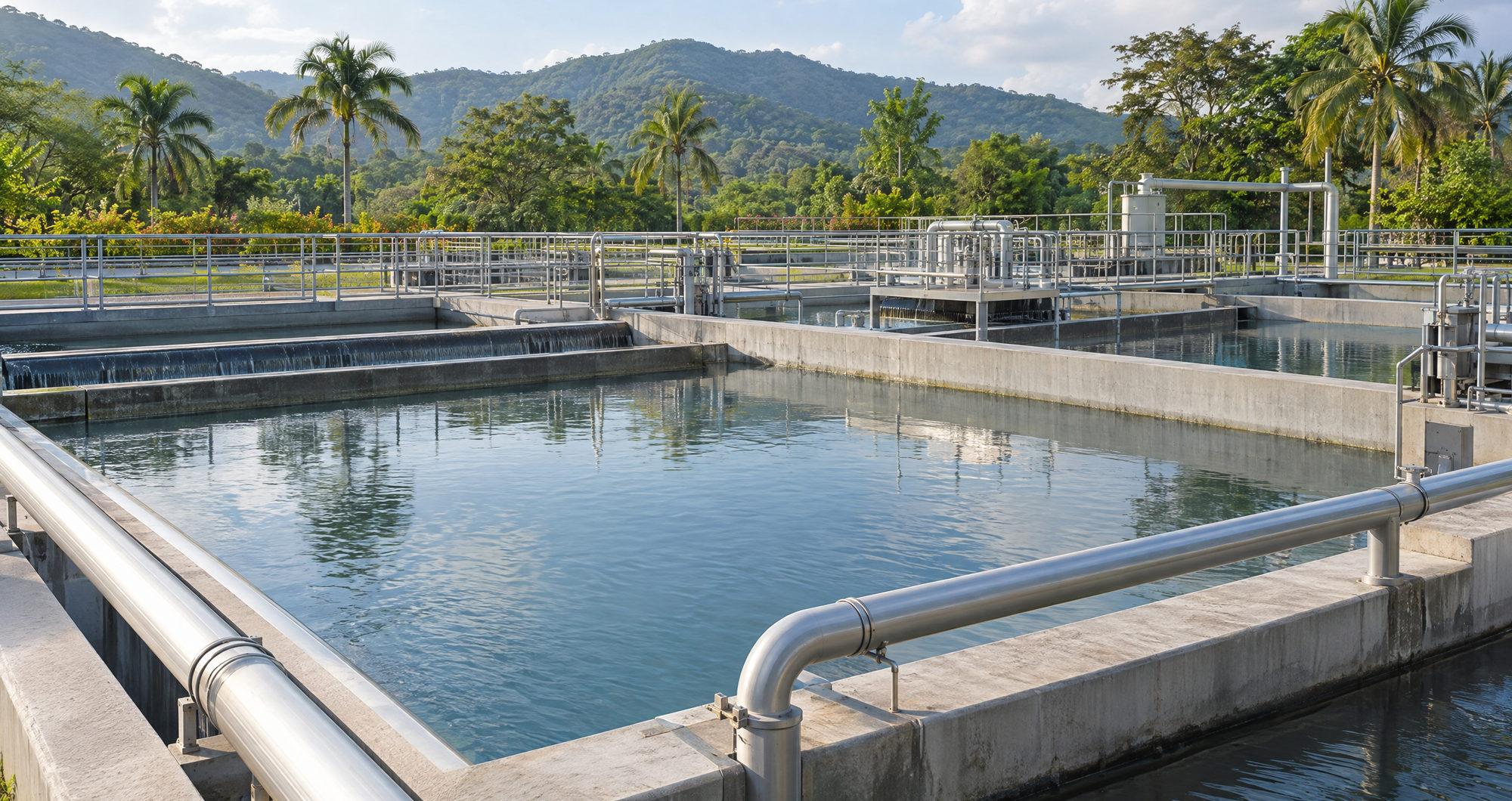
The bank says new water treatment plants, transmission and distribution networks and storage reservoirs are planned in Colombo and Lunugamwehera. These facilities would cover different parts of the supply system, from treating water to storing it and carrying it to users.
In Jaffna, the plan includes wastewater treatment facilities, sewerage networks and pumping stations. The sanitation work is separate from the water supply improvements planned for the Western and Southern provinces.
When Sri Lanka’s cabinet considered the infrastructure project in May, the government identified five sub-projects. They included work on the Ambatale water treatment system and the Jubilee water supply system, measures to manage water losses in Kolonnawa, the Lunugamwehera water supply scheme and the Jaffna wastewater project.
The bank’s latest announcement also identifies reducing water losses and promoting renewable energy use as objectives. It says the project will strengthen the capacity of the National Water Supply and Drainage Board and encourage private sector participation.
Reform programme
The other US$100 million supports the second stage of the Water Supply and Sanitation Reform Program. The Treasury says it consists of a US$50 million concessional loan and a US$50 million regular loan. It describes the policy-based financing as budgetary support linked to reforms, rather than the infrastructure component described above.
The first stage of that reform programme was also financed with US$100 million and was completed in 2024, according to the Treasury. It established policy, regulatory and institutional foundations for the sector. The earlier stage’s financing is not part of the US$300 million described in the bank’s November announcement.
The second stage is intended to build on that work. It includes water resource management, drinking-water safety, sanitation management and adaptation to natural hazards among its areas of focus.
The bank also identifies amendments to the National Water Resources Policy, tariff reforms and implementation of the water board’s financial sustainability roadmap. Its announcement does not specify a new tariff, when any change might take effect or what individual households would pay.
Private sector financing is another stated aim of the reform programme. The bank says the measures are intended to improve governance and service delivery as well as the sector’s operational and financial performance.
The beneficiary figures are targets for improvements, not a count of people already receiving better services. The announcement sets out the proposed works and reform objectives; it does not establish that the money has all been disbursed or that the facilities have been completed.







