


The British pound has come under renewed selling pressure this week, trading near multi-month lows against both the euro and the US dollar. Analysts point to soft economic data and expectations of future Bank of England rate cuts as the main drivers behind sterling’s slide — but for households and investors moving large sums overseas, the implications go far beyond the financial pages.
When the pound weakens, it doesn’t just affect imports or corporate profits. It directly changes how much money UK residents receive when transferring funds abroad — whether for buying property, supporting family, or relocating savings. For anyone sending tens or hundreds of thousands of pounds, even a small shift in the exchange rate can add or erase thousands.
“When the pound drops by just one percent, that’s a £1,000 difference on a £100,000 transfer,” said Andrea Troy, spokesperson for Free Price Compare.
“People often underestimate how much currency movements can affect real-world costs. Timing and transparency both matter.”
The Pound’s Uneasy Moment
Sterling’s current weakness reflects a complex mix of factors. Inflation is easing but still above target, growth remains subdued, and traders now expect the Bank of England to lower interest rates before mid-2026. The prospect of cheaper borrowing tends to make the pound less attractive to global investors, putting downward pressure on its value.
The result is visible across currency pairs: the pound recently slipped back toward €1.16 and $1.26, erasing much of its mid-year strength. For consumers, that means less foreign currency for every pound exchanged — a tangible hit for anyone funding overseas commitments in euros or dollars.
Why Exchange Rate Shifts Matter
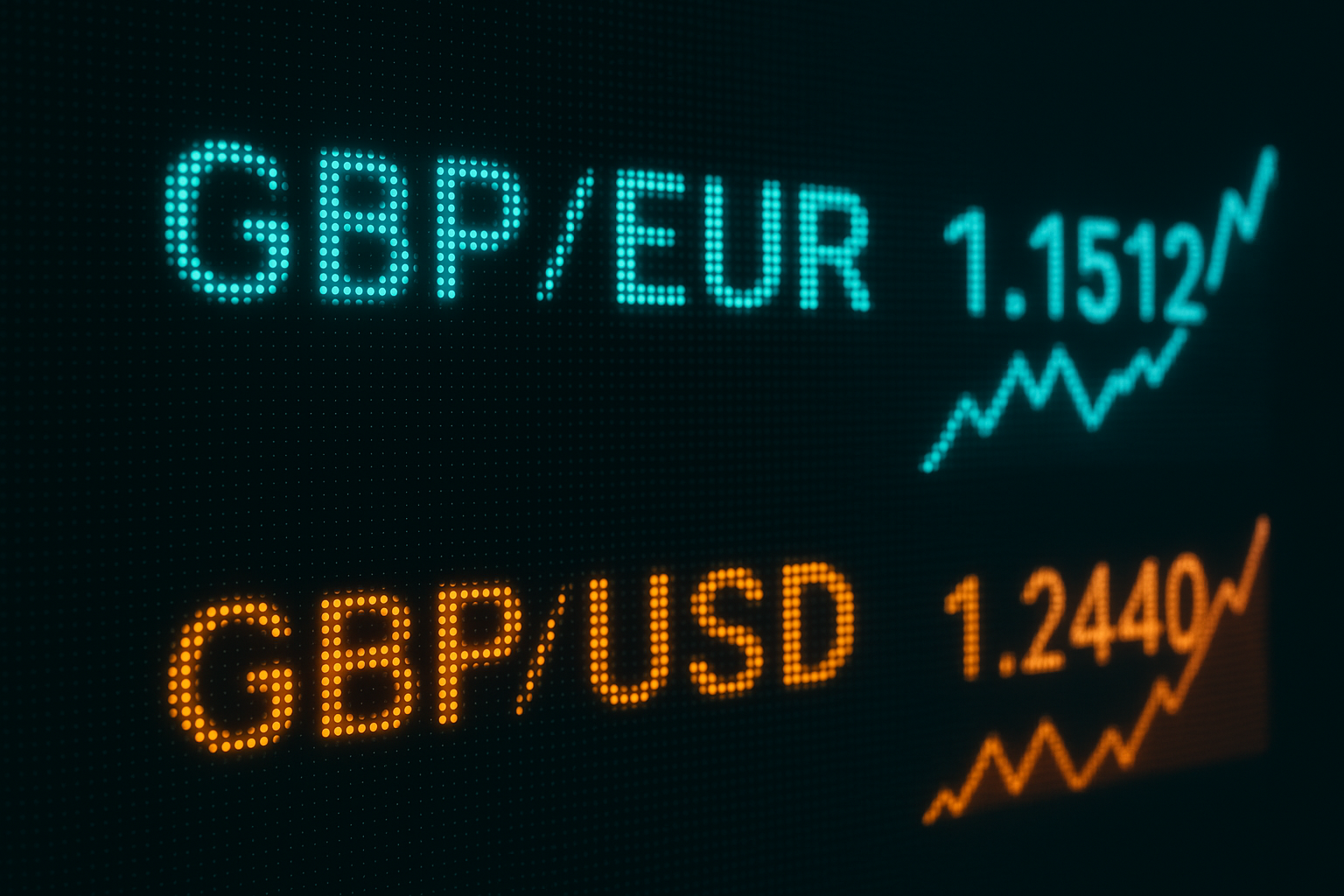
A move of even one or two cents in the pound’s value can have a material impact. A British buyer transferring £250,000 to purchase a home in Spain would receive roughly €290,000 at €1.16, compared with €295,000 at €1.18 — a £3,000 difference caused purely by timing.
Unlike everyday travellers buying holiday cash, people making large international transfers experience these fluctuations directly. That’s why financial advisers often stress the importance of using currency transfer services that offer transparent margins and real-time rates, rather than relying on high-street banks where spreads can be wider and fees higher.
Comparing Providers, Not Just Rates
The best rate is only part of the equation. Service reliability, transfer limits, and regulatory protection all matter when moving substantial amounts overseas. Independent platforms such as Free Price Compare allow users to perform an international money transfer comparison before committing, giving visibility over both exchange margins and administrative charges.
Troy explained:
“The cost difference between providers can easily reach several hundred pounds on a typical transfer. Using a currency exchange comparison tool helps consumers see the real rate, not just the headline number.”
“It’s about confidence — knowing your money will arrive quickly, safely, and at a rate that reflects the market, not hidden mark-ups.”
Protecting Value Through Planning
Consumers making significant transfers often have the option to fix a rate in advance, reducing uncertainty if the market moves. Forward contracts or staged payments can help smooth the impact of volatility. Others may choose to monitor daily trends through alerts until the rate moves in their favour.
Whatever the approach, experts emphasise the need for preparation. Sudden moves in sterling can occur within hours of new inflation data, GDP figures, or central-bank comments. Having an account already set up with a trusted provider means customers can act quickly when rates shift.
A Wider Economic Picture
Currency markets are driven by relative confidence. If UK data remains mixed while US and eurozone growth stabilises, analysts believe the pound could continue to trade at the lower end of recent ranges. That could provide a modest benefit for exporters but create headaches for individuals paying tuition fees, buying property, or supporting family members abroad.
Financial analysts note that with global markets still volatile, rate differences are likely to persist. For UK consumers, that makes regular currency exchange rate comparison more valuable than ever.
Troy added:
“Nobody can predict the perfect moment to transfer money — but you can make sure you’re not paying more than you should. Comparison gives people the information they need to decide when and how to act.”
A Currency of Confidence
As sterling’s latest slide reminds UK households, exchange rates don’t just move markets — they move lives. The difference between a strong and weak pound can shape property purchases, relocations, and investments across borders.
Whether the currency rebounds or stays under pressure in the months ahead, one lesson stands: awareness and preparation matter far more than luck.







