
Winter might feel cosy, but it is quietly brutal on wooden floors. Wet boots dumped by the door, muddy paws racing through the house, and heating turned up to full all put stress on timber. Over time, boards can swell, scratch, split and lose their natural shine long before spring arrives.
According to timber expert Mike Bekin, it is rarely one dramatic spill that causes the damage. Instead, it is the small, everyday habits that add up week after week.
“The cold, wet months are the ultimate test for wooden floors,” he explains. “It’s not big accidents, but how people deal with shoes, pets, cleaning and heating that slowly causes warping, staining and expensive repairs.”
With more than 20 years’ experience working with sustainable timber and advising homeowners and organisations on floor care, Mike shares the five winter habits most likely to ruin wooden floors, and what to do instead.
Letting wet shoes and muddy paws roam free
One of the biggest mistakes is letting moisture sit on timber at the doorway. Water seeps into joints and edges, where it can cause staining and cupping that only becomes visible when the light hits the floor just right.
Creating a proper entrance “landing zone” makes a huge difference. A coarse mat outside removes grit, while a washable runner inside catches drips. Boots should sit on a tray or rubber mat, not directly on wood, and pets are best dried with a towel before they charge inside.
A minute of door discipline can save months of hidden damage later.
Mopping with too much water
Wood and water never mix well, yet winter cleaning often means heavier mopping. Flooding the floor pushes moisture into seams and underneath boards, where it lingers and causes swelling or staining.
The safer approach is a lightly damp microfibre mop paired with a cleaner designed specifically for wood floors. The mop should be well wrung out, leaving only a faint trace of moisture behind. Working in small sections and buffing dry straight away is especially important near edges and radiators.
Steam mops are best avoided entirely, as heat and vapour can force moisture through the finish and leave floors cloudy.
Ignoring grit and road salt
Road salt and winter grit behave like sandpaper underfoot. Each step drags tiny abrasive particles across the surface, quickly dulling the finish and creating scratches that spread far beyond the doorway.
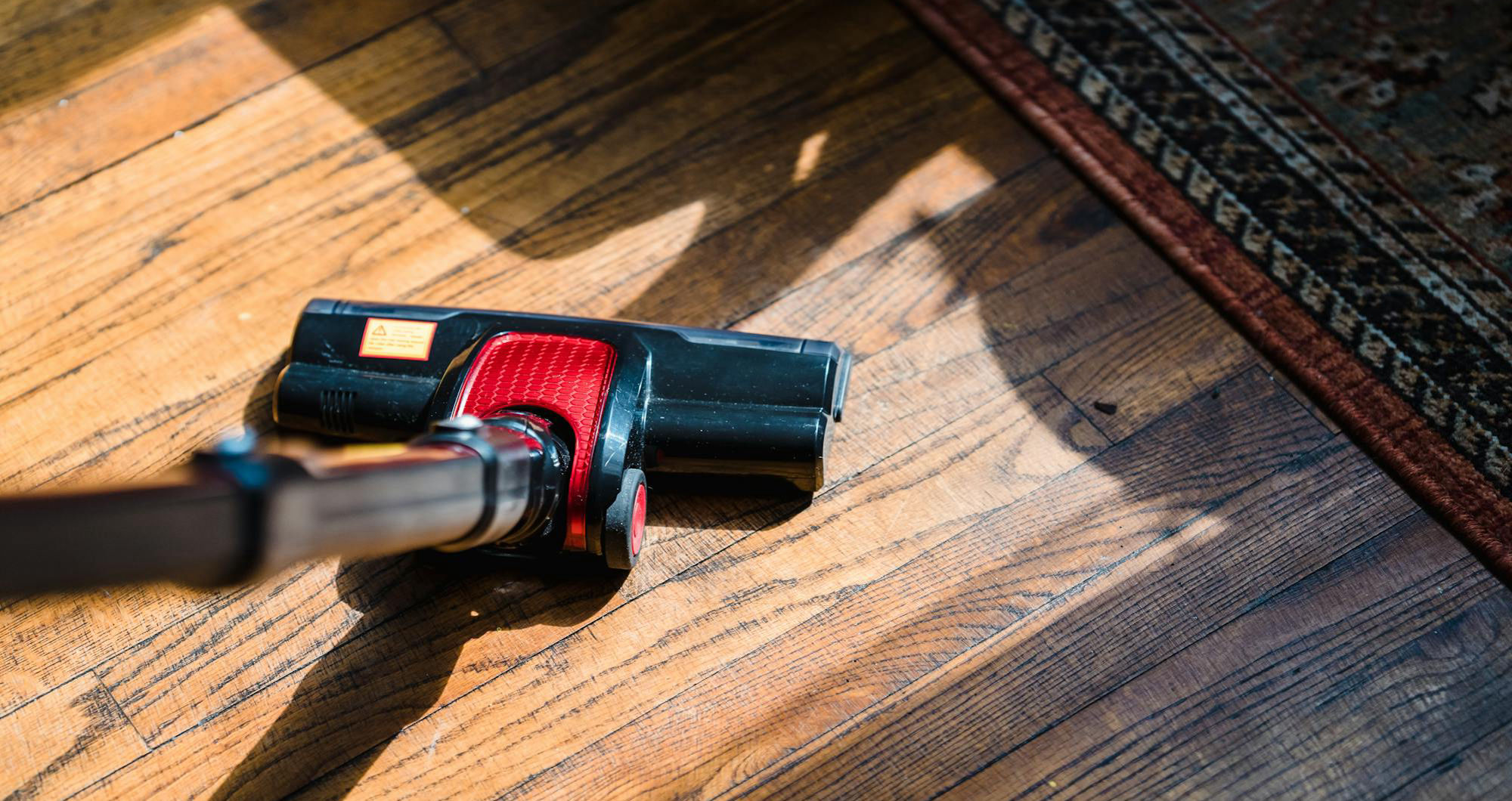
A two-mat system helps, but regular removal matters just as much. A quick daily sweep or vacuum of the first couple of metres inside the door tackles the area that takes the most punishment. Back doors deserve the same treatment, especially in homes with gardens and pets.
This small daily habit is one of the most effective ways to protect timber through winter.
Overheating rooms and drying the air
Cranking up the heating dries indoor air rapidly. As humidity drops, wooden boards lose moisture, shrink and may crack or cup. Sudden temperature swings make the problem worse.
Keeping rooms evenly warm is far kinder to timber. Gentle thermostat schedules work better than sharp on-off blasts, and adding a little moisture back into the air can help. A small humidifier or even a bowl of water placed near a radiator can soften dry conditions without creating damp.
Drying laundry directly on radiators above wooden floors is another common culprit, as drips and steam fall straight onto the boards below.
Trapping moisture with damp mats or shine sprays
Wet mats and rugs left in place for days trap moisture underneath, cutting off airflow and creating perfect conditions for staining, mould or soft patches in the wood.
Mats should be lifted regularly to dry, with spares rotated in during wet spells. Fast-drying materials are a safer choice for winter.
It is also worth avoiding quick-shine sprays and harsh cleaners. These often leave a residue that traps grit, dulls the surface and can eventually cause the finish to peel. Simple, pH-appropriate wood cleaners used sparingly are far safer in the long run.
As Mike puts it, winter does not have to mean ruined wooden floors. A few small changes to daily routines can prevent months of slow damage and save costly repairs once warmer weather returns.
“Protecting timber in winter is about consistency, not perfection. Deal with moisture early, clean gently, and keep conditions stable, and your floors will come through the season looking just as good as they went in.”