
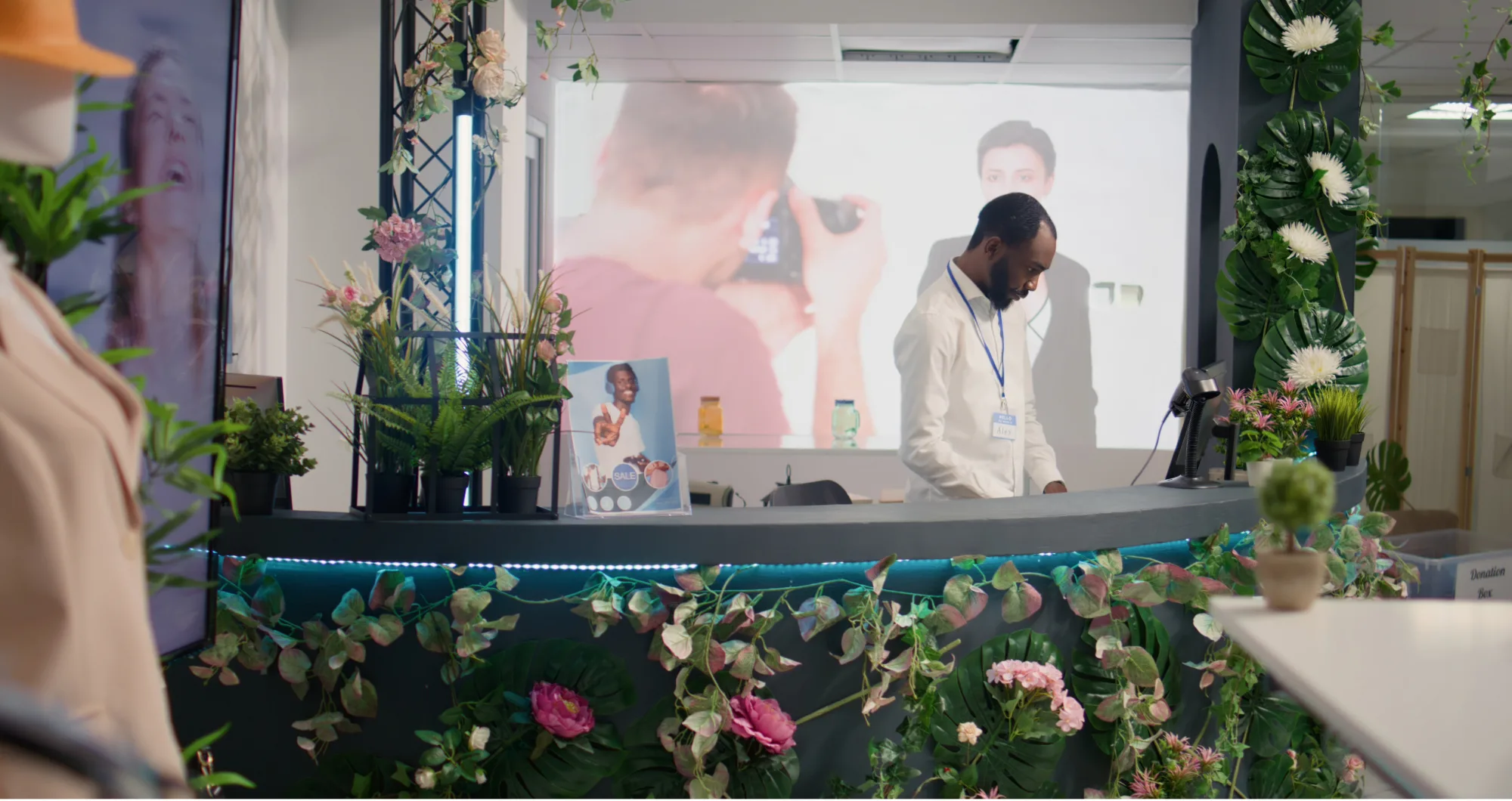

In an era where environmental consciousness meets business innovation, the exhibition industry stands at a crucial crossroads. As one of the most resource-intensive sectors of the events industry, exhibition spaces are now undergoing a revolutionary transformation towards sustainability.
Leading custom exhibition Stand contractors are pioneering this change, reshaping how businesses showcase their products whilst minimising environmental impact. The need for sustainable practices has never been greater, as large-scale exhibitions generate substantial waste and leave a significant carbon footprint.
The Evolution of Sustainable Exhibition Design
The traditional approach to exhibitions often resulted in significant waste and environmental damage. Today’s exhibition landscape demands a more thoughtful, sustainable approach that doesn’t compromise on visual impact or brand representation.
Companies like Aboveline are at the forefront of this transformation, implementing innovative solutions that combine aesthetics with environmental responsibility. This shift represents not just an environmental imperative but a significant business opportunity, as consumers increasingly prioritise sustainability in their purchasing decisions.
Essential Elements of Sustainable Exhibition Practices
Eco-Friendly Materials Selection
The foundation of sustainable exhibition design begins with material choice. Modern exhibition practices emphasise:
- Recycled and recyclable materials for stand construction, including bamboo, reclaimed wood, and recycled aluminium, can be repurposed for future events and significantly reduce landfill impact
- Low-VOC paints and finishes that minimise harmful emissions whilst maintaining professional aesthetics, improving air quality for all event attendees
- Biodegradable alternatives to traditional plastics for temporary display elements and promotional materials
- Advanced composite materials that offer durability whilst maintaining eco-friendly credentials
Energy-Efficient Lighting Solutions
Lighting plays a crucial role in exhibition success whilst offering significant opportunities for sustainability:
- LED lighting systems that dramatically reduce energy consumption compared to traditional options, whilst providing superior colour rendering and control
- Motion sensors and smart controls to optimise power usage during different exhibition phases
- Natural light integration in stand design to reduce artificial lighting requirements and create more inviting spaces
- Solar-powered lighting elements for outdoor exhibition spaces, demonstrating commitment to renewable energy
Carbon Footprint Reduction Strategies
Transportation and Logistics
Transportation represents a significant portion of an exhibition’s carbon footprint. To address this:
- Implement modular design principles to optimise transport space and reduce fuel consumption
- Choose local suppliers where possible to minimise transportation distances and support regional economies
- Utilise digital planning tools to streamline delivery routes and reduce unnecessary journeys
- Develop partnerships with eco-friendly shipping companies that use electric or hybrid vehicles
Waste Management Innovation
Effective waste management has become a cornerstone of sustainable exhibition practices:
- Implement comprehensive recycling programmes during setup, operation, and breakdown
- Partner with local recycling facilities to ensure proper material disposal and create circular economy opportunities
- Create detailed waste reduction plans before the event to minimise the overall impact
- Institute composting programmes for organic waste from catering services
Digital Integration for Sustainability
Modern exhibition practices are increasingly incorporating digital elements to reduce environmental impact:
- Replace printed materials with digital displays and QR codes
- Utilise virtual reality for immersive product demonstrations, reducing the need for physical samples
- Implement digital lead capture systems instead of traditional business cards
- Create hybrid exhibition experiences that combine physical and virtual elements, reducing travel emissions
Sustainable Catering and Hospitality
Exhibition sustainability extends beyond the stands themselves:
- Source local, seasonal food to reduce transportation emissions and support regional agriculture
- Use reusable or compostable serving ware that eliminates single-use plastics
- Implement water conservation measures
- Partner with caterers who prioritise food waste reduction through donation programmes and portion control
Measuring and Reporting Impact
Environmental Performance Metrics
Tracking success is crucial for continuous improvement:
- Monitor and report carbon emissions from all aspects of the exhibition
- Track waste diversion rates and set progressive reduction targets
- Measure energy consumption patterns to identify optimisation opportunities
- Calculate water usage and implement conservation strategies
Stakeholder Communication
Transparency builds trust and encourages participation:
- Share environmental impact reports with all stakeholders
- Celebrate sustainability achievements and milestones
- Provide feedback mechanisms for improvement suggestions
- Document best practices for future reference
The Path Forward
The future of exhibition design lies in the perfect balance between impressive visual presentation and environmental responsibility. By adopting these sustainable practices, businesses can create memorable exhibition experiences whilst contributing to environmental preservation. The industry’s continued evolution towards sustainability not only benefits our planet but also creates new opportunities for innovation and competitive advantage.
The shift towards sustainable exhibition practices isn’t just a trend, it’s a fundamental transformation of how businesses present themselves to the world. As we move forward, the integration of sustainable practices in exhibition design will become increasingly crucial for business success and environmental stewardship.
Those who embrace these changes today will be better positioned to meet the growing demands of environmentally conscious clients and regulations tomorrow. With commitment, innovation, and collaboration, the exhibition industry can lead the way in demons.







