
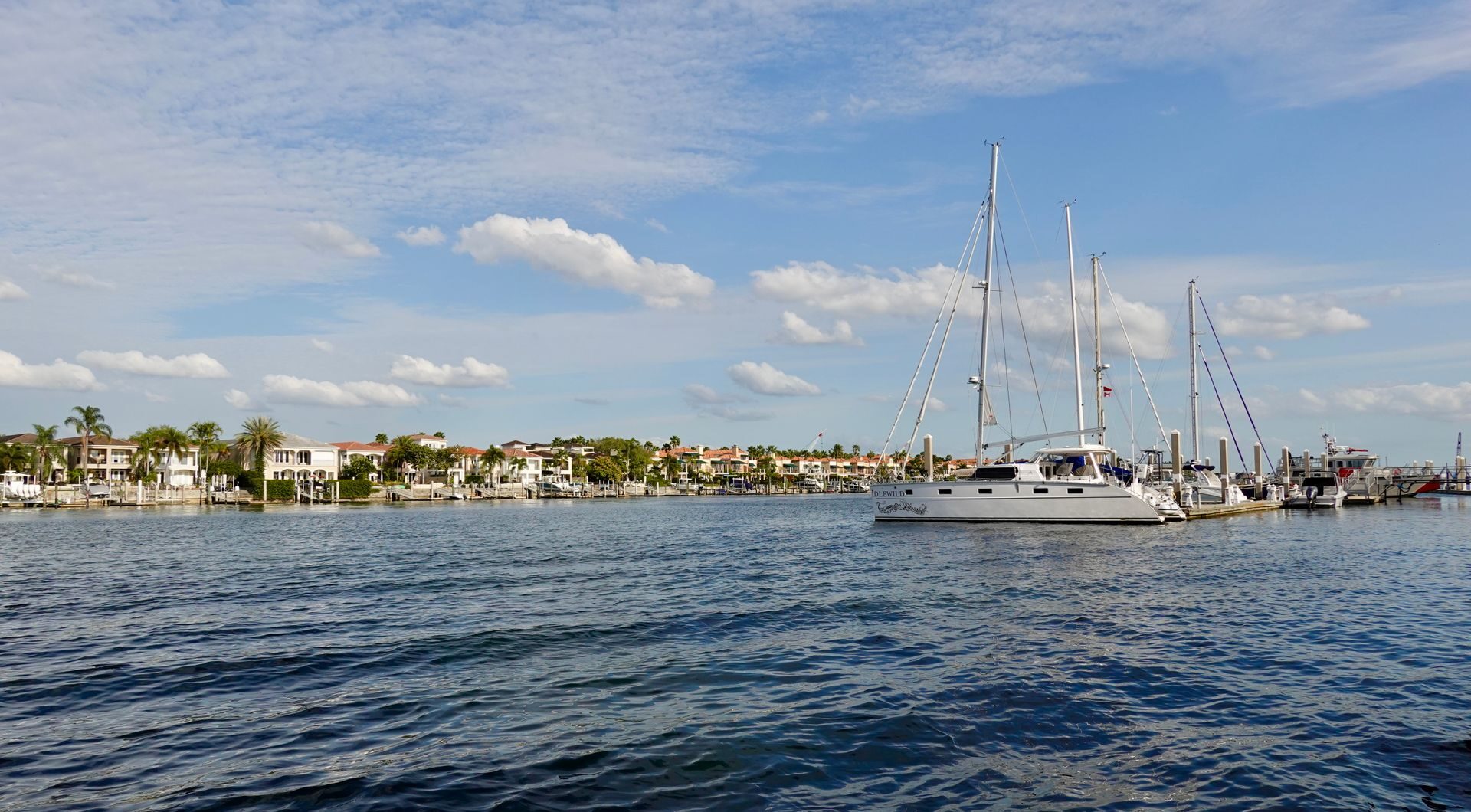

Swapping grey London skies for Florida sunshine sounds like a dream many Britons have entertained at some point, usually around February, when the rain hasn’t stopped for three weeks straight. Tampa, in particular, has quietly become one of the most talked-about retirement spots for British expats weighing their options across the Atlantic. But is it actually a smart move, or just a holiday fantasy that doesn’t hold up once the suitcases are unpacked?
This article breaks down what life in Tampa really looks like for a retiree coming from the UK — the climate, the cost of living, the visa headaches, and the cultural quirks that might surprise you. By the end, you’ll have a realistic picture of whether Tampa deserves a spot on your retirement shortlist.
Why Tampa Keeps Showing Up on British Retirement Lists
Tampa sits on Florida’s Gulf Coast, which means warm weather for most of the year, a laid-back pace of life, and easy access to some of the best beaches in the country. Florida has long attracted American retirees for its tax advantages (no state income tax) and its year-round warmth, and increasingly, that same appeal is catching the attention of Londoners tired of six-month winters.
Unlike Miami, Tampa tends to feel less frantic and more liveable day-to-day — fewer tourists clogging the streets, a genuine local community, and a cost of living that’s noticeably friendlier than South Florida’s. For Brits used to the intensity (and expense) of London, that difference in pace can feel like a genuine upgrade to quality of life.
What’s the Weather Actually Like?
Let’s address the obvious draw first: the weather. Tampa enjoys a subtropical climate with average highs in the mid-70s to low 90s Fahrenheit (around 24–33°C) for most of the year, and winters that rarely dip below the mid-60s (about 18°C). Compare that to London, where winter highs regularly sit around 8–10°C and grey skies are the default setting from November through March.
Summers in Tampa are hot and humid, with regular afternoon thunderstorms — a trade-off many Brits find entirely worth it after a lifetime of umbrella-carrying. Hurricane season runs from June to November, which is worth factoring into any long-term decision, but Tampa’s location on the west coast of Florida generally sees less direct hurricane impact than areas further south or along the Atlantic side.
How Does the Cost of Living Compare to London?
This is where Tampa starts to look genuinely appealing. London remains one of the most expensive cities in the world, and for retirees on a fixed income, that reality bites hard. Housing, in particular, tells the story: the median home price in Tampa is roughly $400,000 (approximately £315,000), compared with an average of around £540,000 in London and roughly £400,000 across the South East of England. Even after accounting for currency fluctuations, comparable property in Tampa is considerably cheaper.
Everyday costs also tend to stretch further. Estimates from cost-of-living comparison sites suggest that overall consumer prices in Tampa run approximately 15 to 25 percent lower than in central London, with groceries, dining out, and utilities all contributing to the difference. Healthcare is where the equation flips, as discussed below. Florida’s lack of state income tax is a meaningful perk for retirees drawing on pensions or investment income, though UK citizens should always consult a cross-border tax advisor, since UK pensions and US tax residency rules can get complicated fast.
Note: The figures above are approximate and fluctuate with market conditions and exchange rates. Verify current data before making any financial decisions.
The Healthcare Question: The Biggest Catch
The NHS does not follow British retirees across the Atlantic. The United States has no national healthcare system, and private health insurance for retirees can be both costly and complex to arrange, particularly for those over 65 who do not qualify for Medicare as non-citizens.
Costs vary considerably by age, health status, coverage level, and insurer. The following figures are general estimates and should be verified with a licensed insurance broker:
- Individual private health insurance (ages 65 and over): Typically ranges from approximately $600 to $1,500 or more per month, depending on the plan and provider.
- Annual out-of-pocket costs: Deductibles commonly range from $1,500 to $7,500, with out-of-pocket maximums often exceeding $9,000 per person.
- Prescription medications and specialist care: These are frequently subject to additional co-pays or coinsurance, which can add several hundred dollars per month for those managing chronic conditions.
- Medicare eligibility for non-citizens: Premium-free Medicare Part A generally requires 40 quarters of US work history. Retirees who do not qualify may purchase coverage, but premiums can exceed $500 per month for Part A alone, with Part B and supplemental coverage costing extra.
Comprehensive private health insurance is a non-negotiable expense and should be budgeted for carefully before any serious relocation plans take shape. For many retirees, this cost alone can change the financial equation entirely, making it arguably the single most important factor to weigh before committing to Tampa, or anywhere in the US, as a retirement base.
Can Brits Actually Retire in Tampa? The Visa Reality
Here’s the inconvenient truth: there’s no dedicated “retirement visa” for the US the way some countries offer. British citizens can visit the US visa-free for up to 90 days under the Visa Waiver Program (ESTA), which is great for scouting trips, but not for permanent relocation.
To actually live in Tampa long-term, retirees typically need to explore options like an investor visa (EB-5), a family-sponsored green card if they have US citizen relatives, or in rarer cases, other employment or investment-based pathways. This is genuinely the most complex part of the whole plan, and it’s worth speaking to an immigration attorney early rather than falling in love with a Tampa bungalow before confirming you can legally stay in it.
What Daily Life Looks Like for a British Expat in Tampa
Once the logistics are sorted, daily life in Tampa has a lot going for it. The city has a growing international community, a genuine love of outdoor living, and an easy, friendly culture that many Brits describe as a refreshing change from London’s faster pace. Direct flights between London and Tampa have made the journey more convenient in recent years, cutting down the usual multi-stop hassle of transatlantic travel.
Mike Grizzel, a top Tampa realtor, points to this lifestyle as a key part of the city’s appeal.
“Tampa offers something that’s hard to find elsewhere: year-round sunshine, access to the Gulf, and a genuine sense of community, all at a price point that lets buyers get far more home for their money. Many of my international clients tell me they felt at home here within weeks.”
Golf, boating, and beach life dominate the social scene, and Tampa’s arts and dining culture has grown considerably over the past decade, giving it more personality than its reputation as “just a retirement spot” might suggest. For Brits who want warmth and space without sacrificing culture entirely, it strikes a reasonable balance.
Is Tampa Right for Your Retirement?
Tampa makes the most sense for British retirees who value warm weather, more space for their money, and a slower pace of life, and who are prepared to navigate US visa requirements and private healthcare costs as part of the deal. It makes less sense for those who want to stay close to family in the UK or who aren’t ready to take on the financial and legal complexity of establishing US residency later in life.
If Tampa is genuinely on your radar, the smartest next step isn’t booking a one-way flight. It’s speaking with an immigration attorney about realistic visa pathways, getting quotes for private health insurance as a non-Medicare-eligible retiree, and spending an extended visit there during both summer and winter to see how the climate and lifestyle actually feel before making any permanent decisions.
Feature image by Nathan Rostampour from Pexels







