
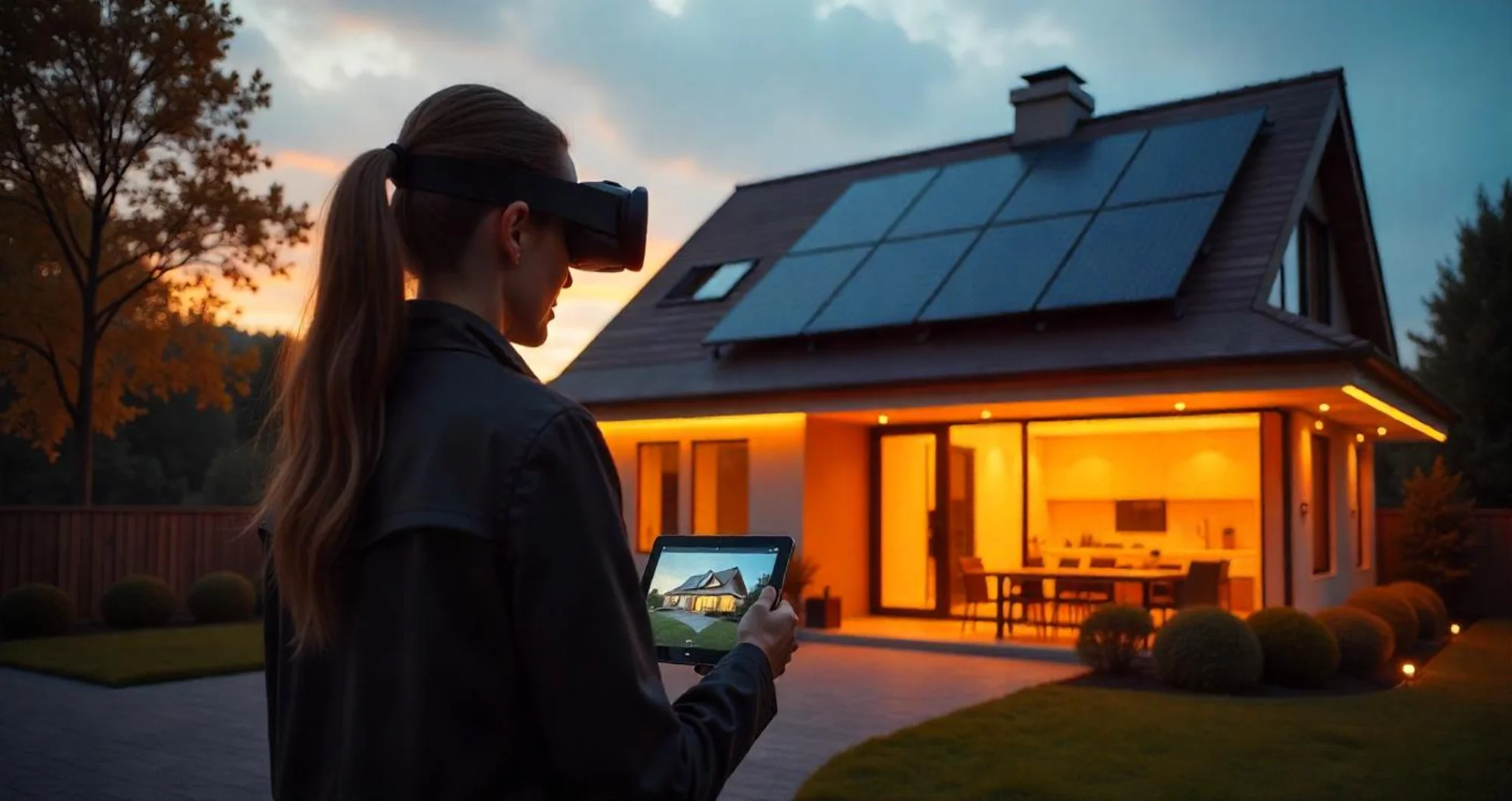

The real estate industry is on the brink of a profound transformation. Technological advancements, shifting buyer demographics, and evolving market conditions are redefining how properties are bought and sold. Smart homes, eco-friendly designs, and digital transactions are no longer futuristic concepts—they are shaping the present and will dominate the future. At the same time, economic factors such as interest rates, inflation, and remote work trends are influencing housing demand in unprecedented ways.
1. Introduction: A Market in Transformation
Real estate is an ever-evolving industry, shaped by economic fluctuations, technological advancements, and shifting consumer preferences. What was once a straightforward process of buying and selling homes has now become a dynamic, data-driven experience. Buyers are more informed than ever, sellers must adapt to emerging trends, and technology is redefining how transactions take place. Parkers Estate agents in Swindon are at the forefront of this transformation, offering invaluable insights into the local market and helping clients navigate the complexities of buying and selling property.
Understanding these changes is no longer optional—it’s essential. Whether you’re looking to invest, buy your first home, or sell property in an increasingly competitive market, staying ahead of the curve will be the key to success.
2. The Rise of Smart Homes and AI-Driven Technology
The modern home is becoming an extension of artificial intelligence. Smart security systems, AI-powered home assistants, and energy-efficient automation are no longer futuristic luxuries; they’re becoming standard expectations for buyers. Properties equipped with IoT-enabled appliances, voice-controlled lighting, and intelligent climate control are commanding higher prices in the market.
Homebuyers, particularly younger generations, prioritise convenience and connectivity. Sellers who invest in upgrading their homes with smart technology—such as smart locks, automated thermostats, and AI-driven security systems—stand to attract a broader audience. As AI continues to advance, homes will become more self-sufficient, capable of predictive maintenance, automated grocery ordering, and even AI-driven home design modifications.
3. Sustainable and Eco-Friendly Living
The real estate industry is undergoing a green revolution. With increasing awareness of climate change and rising energy costs, sustainability is no longer a niche trend—it’s a necessity. Properties featuring solar panels, eco-friendly insulation, rainwater harvesting systems, and energy-efficient appliances are not only reducing utility bills but also increasing in value.
Governments worldwide are introducing incentives for energy-efficient homes, making sustainable living more affordable for buyers. Sellers who incorporate green features into their properties are positioning themselves favorably in a competitive market. Expect to see net-zero homes—houses that generate as much energy as they consume—becoming a gold standard in the future.
4. The Shift Toward Remote Work and Its Impact on Housing Demand
The pandemic ignited a fundamental shift in how people view their living spaces. Remote work, once a temporary solution, has become a permanent lifestyle for millions. This shift is driving demand for homes with dedicated office spaces, soundproof rooms, and flexible living areas.
Urban high-rises, once the pinnacle of convenience, are losing favor to suburban and rural properties that offer more space, privacy, and access to nature. As a result, real estate developers are designing homes with built-in office spaces, high-speed internet infrastructure, and adaptable layouts. For sellers, showcasing a home’s potential for remote work can significantly boost its appeal.
5. Changing Buyer Demographics: Millennials and Gen Z Enter the Market
A new generation of homebuyers is reshaping the market. Millennials, now in their prime homebuying years, and Gen Z, just entering the market, have different priorities compared to previous generations. Affordability, sustainability, and digital convenience top their list.
These buyers rely heavily on technology, preferring virtual home tours, AI-driven mortgage approvals, and blockchain-based transactions. They are also more likely to prioritise location flexibility, choosing homes based on lifestyle rather than proximity to workplaces. Sellers and real estate professionals must adapt by embracing digital marketing, virtual reality staging, and transparent, technology-driven transactions.
6. The Role of Cryptocurrency and Blockchain in Real Estate Transactions
Blockchain technology is revolutionising property transactions. Traditional real estate deals involve cumbersome paperwork, middlemen, and lengthy approval processes. Blockchain simplifies this by enabling secure, transparent, and fraud-proof transactions.
Cryptocurrency is also making its way into real estate, with properties being bought and sold using Bitcoin and Ethereum. While regulatory challenges remain, digital currency transactions offer speed, security, and reduced transaction costs. Forward-thinking buyers and sellers should stay informed about how these emerging technologies could impact the way real estate deals are conducted.
7. The Evolution of the Housing Market: From Boom to Stabilization
The real estate market has experienced extreme highs and lows in recent years, driven by fluctuating interest rates, inflation, and global economic uncertainty. While home prices surged during the pandemic, many experts predict a period of stabilisation. Rising mortgage rates and affordability concerns are cooling down demand, shifting the market toward a more balanced state.
For buyers, this means more negotiating power and a potential reduction in bidding wars. For sellers, setting realistic price expectations will be crucial. Understanding economic indicators—such as employment rates, inflation trends, and housing supply—will help investors and homeowners make informed decisions.
8. The Future of Real Estate Agents and Digital Platforms
The role of real estate agents is evolving alongside technological advancements. AI-driven platforms are automating property searches, valuations, and contract negotiations. However, human expertise remains irreplaceable. Buyers and sellers still rely on experienced agents for market insights, negotiation strategies, and personalised guidance.
Real estate professionals who embrace technology—using virtual tours, predictive analytics, and AI-powered customer service—will stay ahead. The future will likely see a hybrid approach, where automation handles transactional elements while human agents provide the nuanced expertise that technology cannot replicate.
Conclusion: Preparing for the Future of Real Estate
The real estate landscape is shifting rapidly, shaped by innovation, economic changes, and evolving buyer expectations. Staying informed about these trends will empower buyers and sellers to make smarter, future-proof decisions. From smart homes to sustainable living, from blockchain transactions to shifting demographics, those who adapt will thrive in the next era of real estate.







