
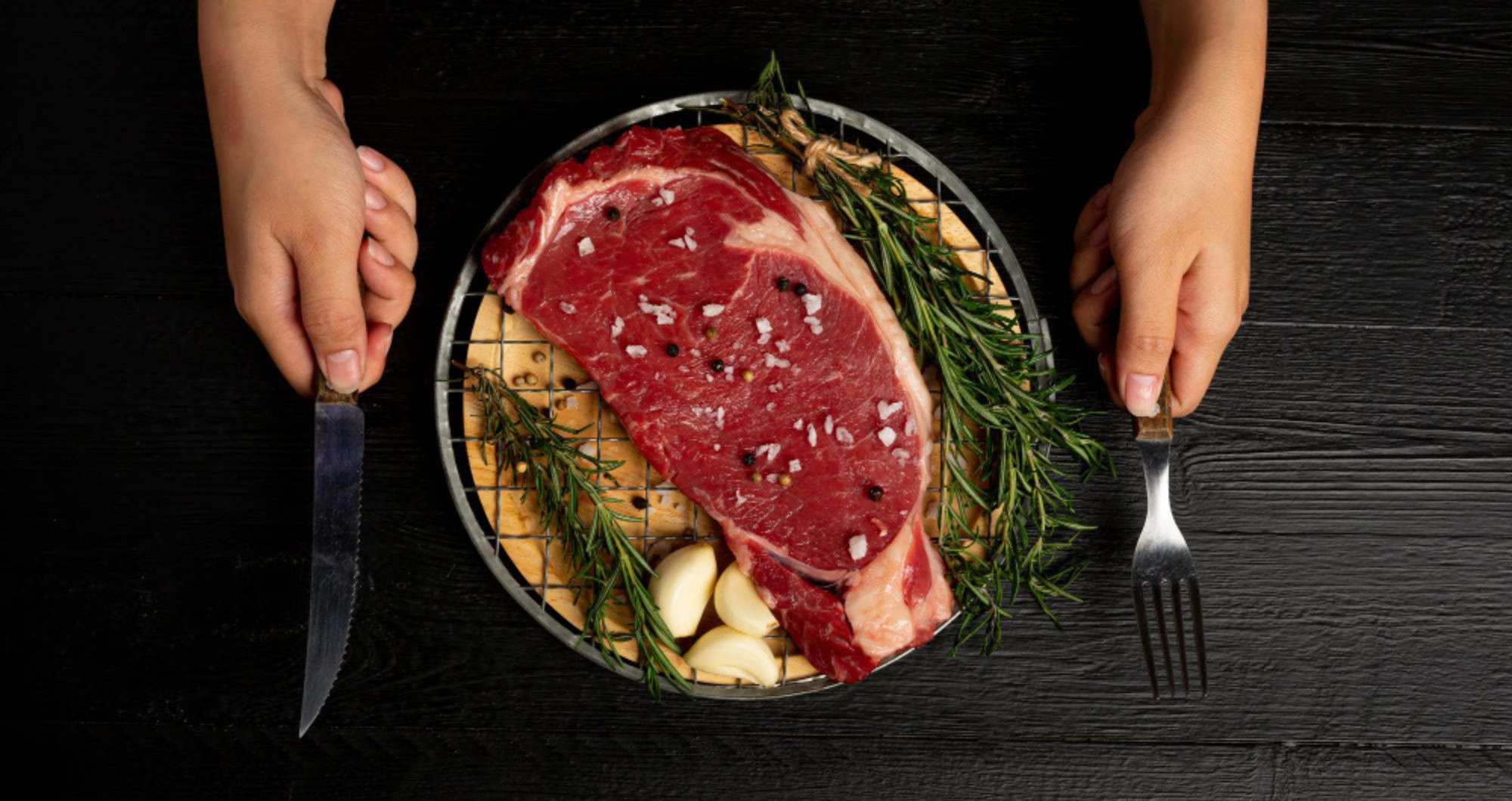

Ever scrolled through Instagram and stopped dead on a picture of a massive steak? You know the one. It has a giant bone handle and looks like it came from a dinosaur. Or maybe you’ve seen a beef roast that looks like a work of art. These are the amazing results of creative meat cuts, a trend that’s changing how we think about meat.
Butchers are moving beyond the standard T-bone steak and rump roast. You’re asking for more interesting options, and the meat industry is listening. These creative meat cuts are not just for fancy restaurants anymore; they are now something you can bring into your own kitchen.
What’s Driving the Demand for New Meat Cuts?
So, why the sudden interest in cuts like Thor’s hammer or picanha? A huge part of the answer is sitting right in your pocket. Social media and popular cooking shows have completely changed the game. Platforms like Instagram and TikTok are filled with images of stunning meat dishes that make you want to fire up the grill immediately. A butcher in Sydney, Brett Laws, uses his social media to showcase his work, which looks more like art than food.
Cooking competitions have also made viewers more adventurous. They introduce people to different cuts and cooking styles they may have never seen before. Customers now walk into a butcher shop armed with photos on their phones. They are not just buying meat; they are looking for an experience. People want to recreate those spectacular dishes they see online, and that starts with getting the right beef cut.
This curiosity means even online butchers have to constantly learn and adapt. Apprentice butcher Brandon Kelly mentions that the internet is a great resource for him. He uses it to research cooking times and find new ideas to suggest to customers. It’s a shift from butchers just selling meat to acting as culinary guides, explaining how a cut with a thick fat cap needs a different approach than a leaner sirloin steak.
Beyond the Ribeye: Exploring Viral Creative Meat Cuts
Let’s get into the good stuff. You might recognise a few of these from your social feed. But what exactly are they, and how do you cook them? Let’s break down some of the most popular creative meat cuts that are making waves.
The Thor’s Hammer: A Cut Fit for a God
If you’re looking for a true showstopper, this is it. Thor’s hammer is a beef shin with the entire bone left in, giving it a shape reminiscent of the famous mythical weapon. This beef cut is all about the slow cooker or smoker. Because it’s a hard-working muscle from the chuck primal, it has a lot of connective tissue.
That tissue breaks down into delicious gelatin when cooked at a low temperature for a long time. The good marbling also keeps the meat moist and flavorful. You’ll often see it smoked or braised for hours until the tender beef is completely fork-tender. This same piece of meat, when cut differently into steaks, is known as osso buco, an Italian classic.
Tomahawk Steak: The Showstopper
This is probably the cut steak you’ve seen the most online. A tomahawk is a very thick ribeye steak with a long, frenched rib bone still attached. “Frenched” just means the meat and fat have been trimmed away from the bone, giving it a clean handle. It’s dramatic and makes a huge impression on the plate.
Without that long bone, this same impressive steak cut is sometimes called a cowboy steak or a bone-in ribeye. These steaks are big, often weighing over a kilogram, so they are perfect for sharing. A similar steak, often called the Delmonico steak, is also from the rib section, but the exact definition can vary between butcher shops.
Picanha: Brazil’s Prized Secret
Head to South America, and you’ll find picanha on every steakhouse menu. This cut comes from the top of the rump and is sometimes called a rump cap, butt cap, or sirloin cap here. What makes picanha so special is the thick layer of fat that sits on top. As it cooks, that fat renders down and bastes the meat, making it juicy and full of a beefier flavour.
Picanha is amazing when grilled on a barbecue, often seasoned simply with coarse salt. The best part? It’s often more affordable than premium cuts like a tenderloin steak but still gives you an amazing eating experience. It’s one of those cuts that prove you don’t need to spend a lot to get great taste.
The Flat Iron Steak & Petite Tender
The flat iron steak is making a big comeback because of its tenderness and versatility. Cut from the shoulder area of the cow, this steak has great intramuscular fat and a rich flavour. It comes from the same area as the shoulder petite tender, another surprisingly tender cut from the chuck shoulder.
The one tricky part of a flat iron is a tough piece of sinew that runs through the middle. But a good butcher can remove this for you, as explained by beef experts at Beef It’s What’s For Dinner. This cut steak cooks quickly, making it a great option for a weeknight meal. You can pan-sear it, grill it, or slice it thin for amazing steak recipes.
Here is a quick reference table to help you keep these cut steaks straight.
| Cut Name | Also Known As | Best Cooking Method |
| Thor’s Hammer | Beef Shin (bone-in) | Slow Cooking, Smoking, Braising |
| Tomahawk Steak | Cowboy Ribeye (with long bone) | Grilling, Reverse Searing |
| Picanha | Rump Cap, Sirloin Cap, Butt Cap | Grilling, Roasting |
| Flat Iron Steak | Top Blade, Shoulder Petite | Pan Searing, Grilling |
Expanding Your Steak Vocabulary
Beyond the viral stars, many other cuts are gaining popularity. Knowing a few more can open up a new menu of possibilities for your home cooking. From the brawny short rib to the lean flank steak, each offers a different experience.
Denver Steak and Other Chuck Primal Gems
The Denver steak, or Denver cut, is another treasure from the chuck primal. Butchers isolate a specific muscle that is surprisingly tender. This steak is known for its good marbling and robust flavour, making it a favourite for grilling.
Similarly, the shoulder petite tender, sometimes just called petite tender, mimics the shape and tenderness of a small tenderloin steak. It’s an affordable alternative that delivers on taste. These cuts show how a skilled butcher can find premium experiences in less-expected parts of the animal.
The “Flat” Steaks: Skirt, Hanger, Flank & Flap
This group of steaks is famous for its intense flavour and distinct texture. The hanger steak, once a butcher’s secret, has a rich, mineral-like taste. It needs to be cooked over high heat quickly to a perfect medium rare.
Skirt steak and flank steak are long, thin cuts that are perfect for marinating. Both are fantastic for tacos or stir-fries because they should be thinly sliced against the grain to be tender. Flap meat, from the bottom sirloin, is similar and is common in New England as a “sirloin strip” for tips.
Short Ribs & Country-Style Ribs
The short rib is a powerhouse of flavour. Whether you get them bone-in or as boneless short ribs, they are ideal for slow cooking methods. Using a slow cooker or braising them for hours transforms their tough connective tissue into a succulent, melt-in-your-mouth meal.
Country-style ribs can be a bit confusing, as they aren’t always true ribs. They are often cut from the beef chuck shoulder or pork blade end. Regardless of their origin, they are meaty and great for braising or barbecuing.
Classic Steaks: A Refresher
Even classic steak cuts are part of the conversation. The porterhouse steak and its smaller cousin, the t-bone steak, are defined by having the tenderloin steak separated from the strip loin by a bone. The porterhouse simply has a larger portion of the tenderloin.
The strip steak, known as the NY strip, York strip, or sirloin strip steak, is a classic for a reason. It offers a great balance of flavour and tenderness. Other options include the lean sirloin steak, the tender bone-in filet, and the versatile cube steak, which has been mechanically tenderised for quick cooking.
The Artists Behind the Counter: Modern Butchery
The rise of these impressive meat cuts shows a change in butchery itself. Today’s butcher needs to be a craftsperson, not just someone who cuts meat. Take Brett Laws, the Sydney butcher we mentioned earlier. He competes in international events where presentation is everything.
His work shows that butchery can be a true art form. He once transformed a topside roast, a traditionally less popular cut, into a design inspired by a roll of sushi. It was eye-catching, and customers loved it. His cut collections, like a love heart pork chop for Valentine’s Day, prove there’s a special steak cut for every occasion.
Butchers like Laws have customers who come in specifically asking for these special items. They’ve built a following of people who appreciate the skill and creativity involved. It’s about taking a simple piece of meat and turning it into something exciting. This adds value not just to the meat but to the entire experience of cooking and eating.
The industry is also seeing more women carving out careers. Amy Pulford, a third-year apprentice, says about 20 percent of the trade is now female, and that number is growing. She enjoys the creativity of the job and gets all sorts of requests at her shop. Women like Amy are bringing fresh perspectives and skills to a field that has been male-dominated for a long time.
Where Do Butchers Get Their Ideas?
So where do all these fresh ideas come from? As we’ve seen, social media is a big source of inspiration, not just for customers but for butchers, too. Darren Scott, a butchering teacher, says that social platforms have totally changed how butchers get their ideas. He actively encourages his apprentices to follow butchers from all over the world on Instagram and Facebook.
This lets them stay on top of new trends and techniques from different cultures. They see what butchers in Brazil are doing with picanha or how American pitmasters prepare a brisket using sous vide before smoking. A modern butcher must understand how to cook steak, whether it’s using direct heat for a quick sear or oven indirect heat for a gentle finish.
Learning new cooking techniques is also a huge part of the process. Understanding how to best cook a piece of meat is vital, and information from the national beef association can be a great help. Experts from barbecue sites like AmazingRibs.com provide tons of information that can help both butchers and home cooks. It creates a cycle where butchers learn from cooks, and cooks learn from butchers. This collaborative environment helps everyone improve their skills.
This exchange of information pushes the craft forward. A young apprentice today has access to a global library of butchering knowledge right at their fingertips. It’s a fantastic time to be in the industry because there are always new things to learn and try. It helps keep the job interesting and lets them offer products that can’t be found in a supermarket.
In Summary
The butcher shop is no longer just a place to pick up some ground beef and chicken breasts. It has become a hub of creativity and expertise. Thanks to social media, adventurous home cooks, and skilled butchers, a whole new selection of creative meat cuts is now available. Exploring these options can bring so much more excitement and flavor to your meals.
Learning the difference between a New York strip steak and a hanger steak, or trying your hand at cooking a boneless short rib, adds a new dimension to your culinary skills. When a steak simply looks incredible, it makes the meal an event. So next time you’re at the butcher, don’t be afraid to ask for something different. You might just find your new favorite meal hiding behind the counter.







