
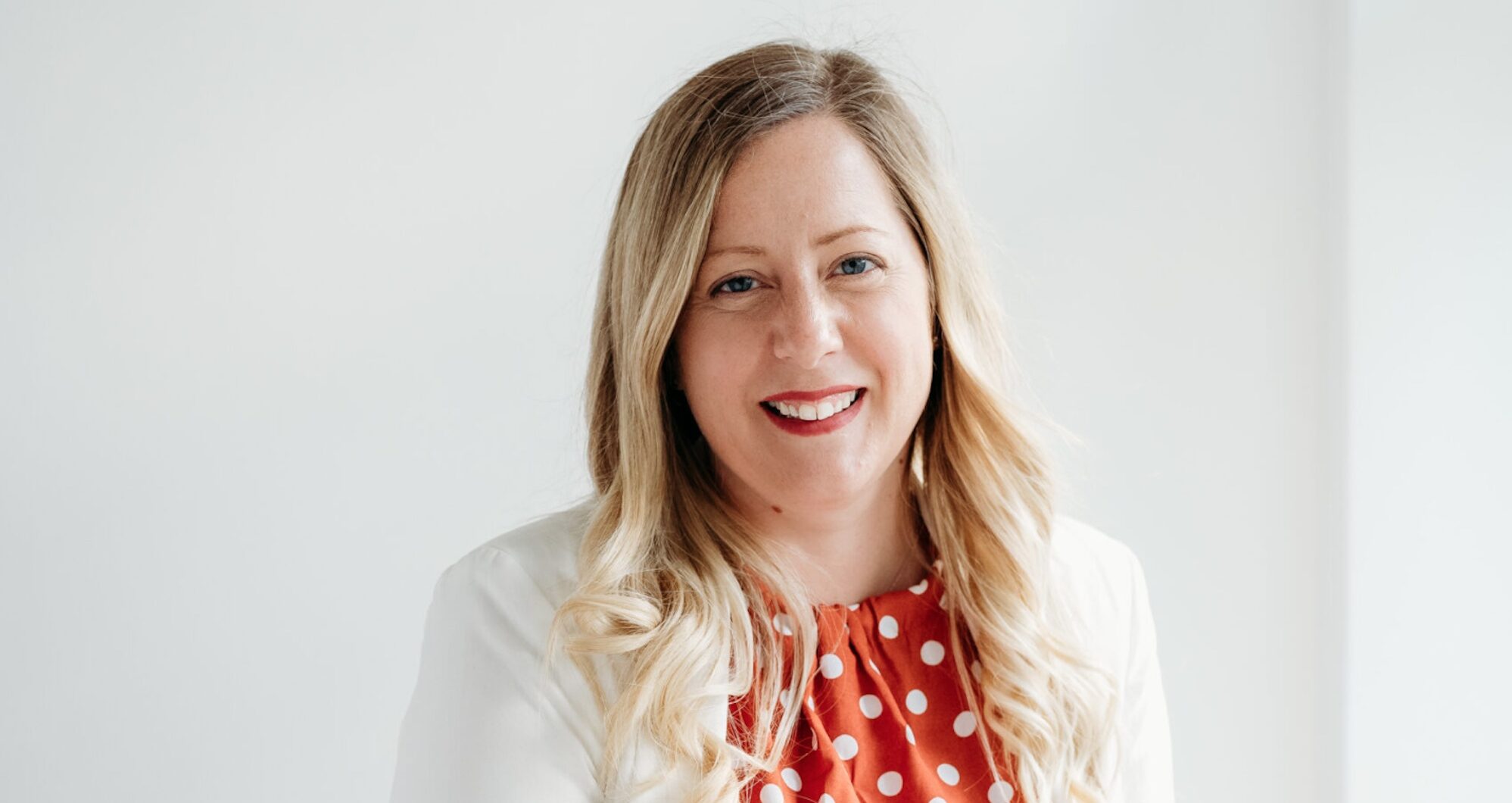

Dual-trained NHS GP and Hair Restoration Doctor Dr. Amy Vowler is passionate about supporting women through the emotional journey of hair loss. Her unique perspective and belief that women’s hair loss is one of the most invisible undiscussed medical conditions led her to set up her own London based clinic Hair GP.
Ahead of International Women’s Day which is all about visibility for women, Dr. Amy Vowler shares the story about why she set-up Hair GP and offers practical advice for seeking support to all women worried about hair loss.
“As a GP I saw women coming into clinic distressed about their hair loss and being told ‘it’s just stress’ or ‘part of ageing’. It’s not that GP’s don’t care, as they do, but unfortunately hair loss barely features in medical training and GPs are managing everything from diabetes to cancer in 10-minute appointments. It’s their job to keep you alive as opposed to optimising your ferritin for hair growth or investigating that subtle hormonal shift. Blood tests are not being offered or results are being deemed ‘normal’ without looking at what’s optimal for hair.”
“Meanwhile trichologists can offer valuable scalp and hair analysis, but most can’t prescribe medication, request detailed bloodwork or investigate the hormonal/perimenopausal picture. As a result, hair loss diagnosis has been falling through the gaps. It is too medical for the high street but too ‘cosmetic’ for the NHS. This gap is exactly why I set up Hair GP, a Doctor led clinic that focuses on women’s hair loss combining the hair science with the medical and hormonal investigations women actually need.” – Dr. Amy Vowler
40% of women over the age of 50 suffer from female pattern hair loss, which equates to approximately 8 million women in the UK. Perimenopause and menopause are major triggers, yet most women going through menopause have no idea their hair thinning is connected. Perimenopause can start in the early 40’s and women are noticing changes but not being supported to connect the dots.
Unfortunately, in medicine in general but especially in hair loss the research is overwhelmingly male focussed. Women are often excluded due to their ‘hormonal fluctuations’ and are sadly often an afterthought. Funding for women’s health conditions has historically been poor leaving women to google, buy expensive shampoos and suffer in silence.
“Women don’t often feel comfortable voicing their worries about hair loss as they often feel ashamed, embarrassed and alone. Building Hair GP felt like a correction, creating a clinic I wished existed for the women I was seeing as a GP. The message I want every woman to hear is that hair loss is not vanity, it’s not inevitable and you deserve proper investigation. Advocate for yourself, ask for blood tests, push for the referral and don’t accept being dismissed. If no-one has told you why your hair is thinning, then you haven’t had the right assessment yet.” – Dr. Amy Vowler
Almost every clinic in the UK is built around male pattern baldness with transplants, Regaine and Finasteride. However, women’s hair loss is fundamentally different in terms of the biology, the hormonal landscape and emotional impact. Female pattern hair loss presents differently and often more subtly so can be easy to miss early on without trichoscopy. Women are also dealing with perimenopause, thyroid dysfunction, iron deficiency, autoimmune conditions, all of which can affect hair and need medical investigation.
“As a dual trained Hair Restoration Doctor and GP I can uniquely look at both the hair science and the hormonal/medical picture. A combination that barely exists in the UK. I feel that women deserve a clinical approach designed around them, not just an afterthought bolted onto a male specific clinic.” – Dr. Amy Vowler
Dr. Amy shares her practical advice to help women who are worried about their hair:
- What to look for: a widening parting, thinner ponytail, more scalp visible under bight light or hair not growing as long as it used to. These aren’t ‘just ageing’ they are signs of female pattern hair loss.
- Blood tests to ask for: Ferritin, Thyroid, Vitamin D and in certain situations hormones. It’s important to know normal range isn’t the same as ‘optimal’. For example, your ferritin should be over 70 for good hair but often in most labs anything above 15 is considered normal.
- Perimenopause link: If you’re in your 40’s and your hair is changing alongside sleep disruption, cycle changes and mood shifts its worth investigating the hormonal picture.
- Treatments do exist, and they do work: There are so many options from Minoxidil, to Anti-Androgens to HRT and then regenerative therapies like PRF. However, they need to be targeted to the cause which means being diagnosed. Just guessing is like putting petrol in a broken-down car when it needs a new tyre.
- When to seek help: If your hair has changed and no one has examined your scalp (with trichoscopy), done comprehensive bloods or given you a diagnosis, you haven’t been assessed properly and more investigations need to be done to ascertain the cause of your hair loss.
For more information on Hair GP’s services or to book a consultation with Dr. Amy Vowler please visit www.hairgp.co.uk.







