
By Bob Vidra, President and Editor of Jetsetter Guide
For most of its history, luxury hospitality has measured itself by how much attention it could give a guest. Think of the doorman who remembers a name, the porter who carries bags to the room, and the concierge who checks in twice before dinner. That model still has admirers, but a growing number of travellers are opting out of parts of it. Hilton’s 2026 Trends research found that 73% of global travellers now value digital check-in and checkout, so a large share of guests would happily bypass the front desk if given the choice.
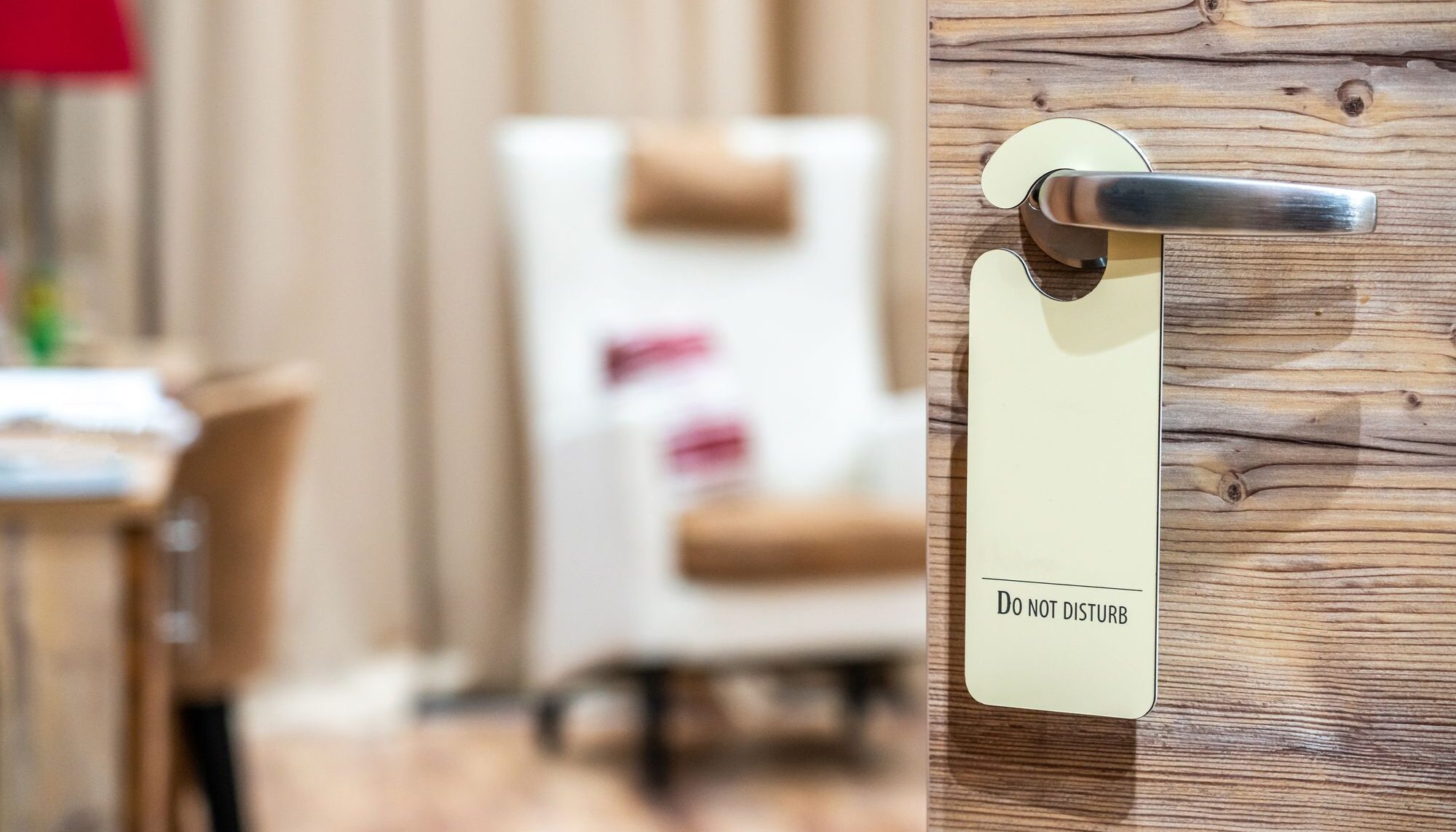
When looking at that figure, it can be seen that guests are asking for control over when service enters their stay. A hotel that grasps this can offer more help with fewer interruptions.
Attention on the guest’s terms
Picture someone arriving at 11 pm after a delayed long-haul flight. Some guests in that position would welcome a warm conversation at reception and a few suggestions for the morning, while others want a key and the shortest route to bed. A good hotel can accommodate both, provided the welcome is offered as an invitation the guest can accept or decline without having to explain themselves.
This is where guest-controlled hospitality parts ways with the staffless hotel. The people are still there, crucially so, but the guest decides when to reach them and through which channel. Messaging has become a large part of that. Hilton found that 65% of travellers value greetings or communications by text, and 27% say they are using their phones to contact hotels more than ever before.
Text gives guests a way to reach the hotel without a face-to-face exchange, though it carries its own risk. Swapping repeated knocks on the door for a steady stream of messages about breakfast hours, spa offers and loyalty upgrades gives a guest who wanted quiet every reason to mute the hotel’s number. The next message they miss could be the one confirming their late checkout. A guest should be able to tell the hotel at check-in to text them only when something needs their attention, and trust the hotel to honour that for the rest of the stay.
Remove repetition, keep judgment
Some of the most common hotel interactions survive mainly out of habit. Asking guests to re-enter passport details they supplied at booking, making them queue for a key card, or leaving them to phone reception to find out when the pool closes are all good candidates for automation, and few guests miss them once they’re gone.
Other moments need a person with judgment and the authority to act on it. A room that turns out not to meet an accessibility need, a disputed charge on the final bill, or a stay disrupted by a broken air-conditioning unit calls for someone who can listen properly and then fix the problem without referring it upward.
The midnight test is a useful one. If a guest’s digital key stops working at that hour, they need a member of staff who can let them in and resolve it immediately. Sending them through an automated troubleshooting sequence on their phone, while they stand in a corridor with their luggage, undoes the convenience the hotel promised at booking.
Hotels should also watch for technology that creates work of its own. Every new app, account, password, and notification setting is something the guest has to manage, and on a two-night stay, that can outweigh the minutes saved at reception. A traditional check-in and a physical key should remain easy options, offered without any hint that the guest is being awkward for asking.
Measure resolution, not downloads
Hilton reports that guests downloaded more than 12 million digital keys in the first half of 2025, a 20% increase on the same period a year earlier, which makes a persuasive case that travellers are embracing the tools on offer.
What adoption can’t tell a hotel is whether anyone’s problem was solved. For that, it’s necessary to look at a different set of numbers: how long it takes a guest to reach someone who can help, how long the issue takes to resolve, whether the guest had to repeat the same explanation to several people, and whether anyone followed up afterwards to confirm it was fixed.
An instant automated reply confirming that a request has been received is useful as far as it goes, but the guest is still waiting for an answer. An unanswered text, or a front desk with nobody empowered to settle a complaint, hands the guest work the hotel used to handle. That is the line between removing friction and removing service, and response and resolution times are the clearest way to see which side of it a hotel is on.
Optionality as the new luxury
So do guests want less attention? Many of them do, in the sense of fewer interruptions and fewer compulsory conversations. What they still expect is service that holds up the moment something goes wrong.
The best hotel technology reduces the number of things a guest has to think about, from finding the room to getting the Wi-Fi working. Luxury increasingly means being left alone while everything runs smoothly and reaching a capable person within minutes when something doesn’t.
Feature image by Maria Kray from Pexels