
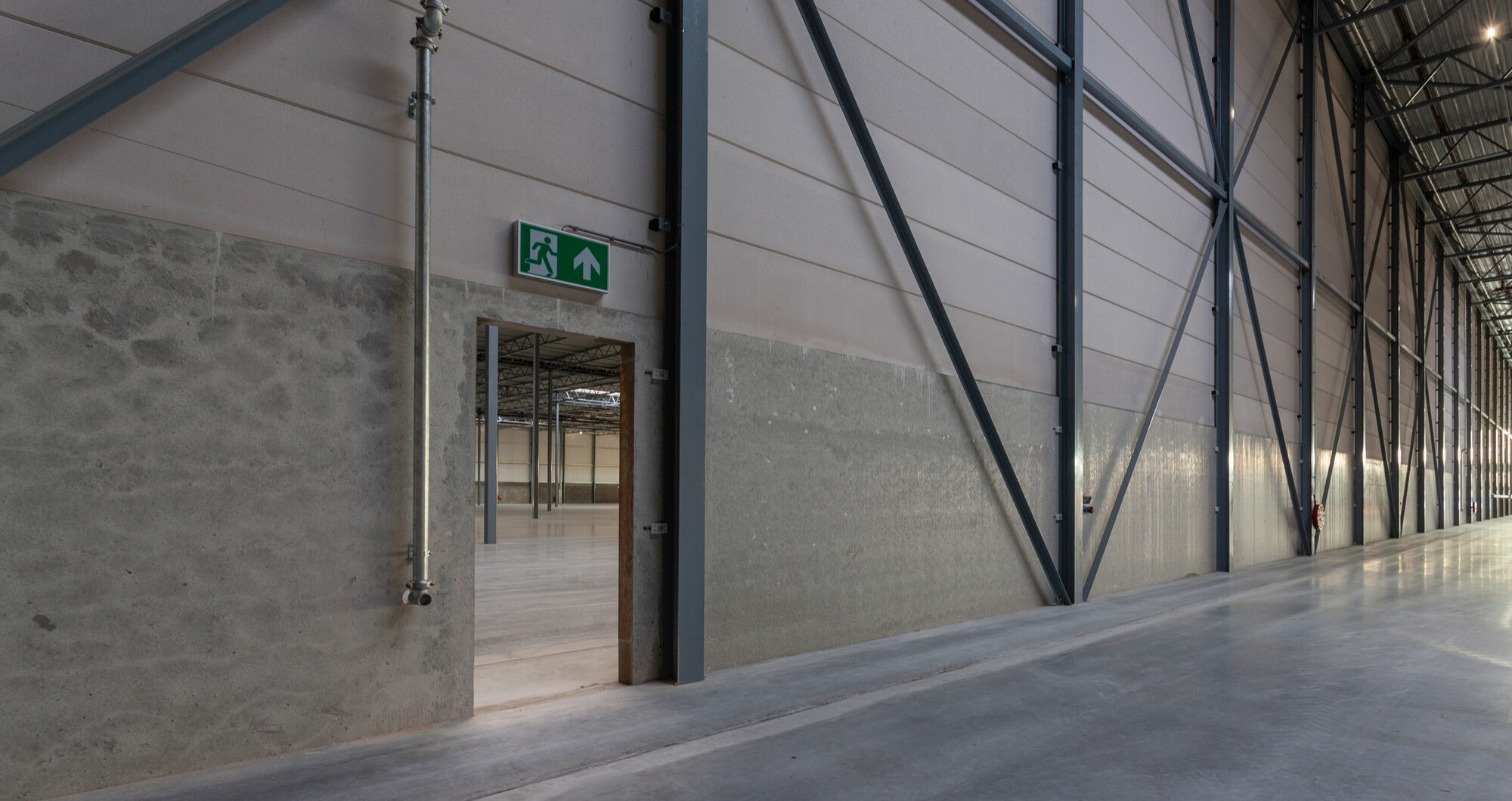

Running a warehouse in London today comes with a very different set of challenges compared to even a few years ago. Demand has gone up, especially with the continued growth of e-commerce and rapid delivery expectations. At the same time, available industrial space hasn’t kept up.
The result is simple: businesses are expected to do more, but with the same—or even less—room.
Moving to a larger warehouse might sound like the obvious solution, but in reality, it’s rarely that straightforward. Costs are significantly higher, suitable locations are limited, and relocating operations can cause serious disruption. For many businesses, it’s just not worth it.
Rethinking How Warehouse Space Is Used
Instead of expanding outward, many London businesses are now looking inward. The focus has shifted from “getting more space” to “using existing space better.”
Most warehouses are traditionally set up as large, open areas. While that works for basic storage, it doesn’t suit modern operations where multiple activities happen at once—packing, sorting, returns, admin work, and more.
This is where warehouse partitions come into play. Rather than leaving everything open and undefined, businesses are creating clearly separated zones within the same unit. It’s a straightforward change, but it makes a noticeable difference in how smoothly things run.
Bringing Order to Busy Environments
When everything happens in one open space, it doesn’t take long for things to feel disorganised. Staff end up working around each other, noise levels increase, and simple tasks take longer than they should.
Dividing the warehouse into specific sections changes that dynamic completely.
Packing areas can operate without interruption, incoming goods can be processed more efficiently, and quieter spaces can be set aside for admin or coordination work. Even something as simple as having a defined storage zone helps reduce confusion and saves time during daily operations.
It’s less about adding complexity and more about removing unnecessary friction.
A Practical Boost for Safety and Working Conditions
Beyond efficiency, there’s also a strong practical benefit when it comes to safety. Warehouses can be high-risk environments if they’re not properly organised.
Creating separate areas helps:
- Keep walkways clear and easy to navigate
- Reduce the risk of accidents between equipment and staff
- Control noise in certain parts of the space
- Maintain cleaner, more manageable working zones
For businesses trying to meet UK safety standards, this kind of structure isn’t just helpful—it’s often essential.
Flexibility That Matches Real Business Needs
One of the biggest advantages of using warehouse partitions is flexibility. Business needs aren’t static, especially in London where demand can shift quickly.
During peak seasons, more space might be needed for packing and dispatch. At quieter times, storage might take priority instead. Being able to adjust the layout without making permanent structural changes gives businesses far more control over how they operate.
It’s a solution that adapts alongside the business, rather than forcing the business to adapt around the space.
Avoiding the Cost and Disruption of Relocation
Relocating a warehouse sounds simple on paper, but in reality, it’s one of the most disruptive decisions a business can make. There’s downtime to consider, logistics to manage, and often a period where operations slow down.
By comparison, reorganising an existing space is far more manageable. It allows businesses to improve efficiency without putting everything on hold or taking on significant new costs.
In a city like London, where margins are often tight, that kind of practical decision-making goes a long way.
Making Every Square Foot Count
There’s a clear shift happening in how warehouse space is viewed. It’s no longer just about size—it’s about how effectively that space is used.
For many London businesses, the answer isn’t moving somewhere bigger. It’s about creating a setup that actually supports the way they work.
Using warehouse partitions is one of those changes that might seem small at first, but in practice, it can transform how a warehouse operates day to day.







