
As Notting Hill Carnival marks its 60th anniversary, Soca Massive Fancy Sailors is recovering the story of how a young Trinidadian from Deptford combined Jamaican sound-system engineering with soca and Mas and helped transform the sound of Carnival.
In 1984, spectators at Notting Hill Carnival could hear Michael Olton’s truck long before they could see it.
The 40-foot vehicle carried a purpose-built, 30,000-watt outdoor sound system powerful enough to announce its arrival from a mile away. Olton arrived without a Mas band behind him, demonstrating what mobile amplified music could do.
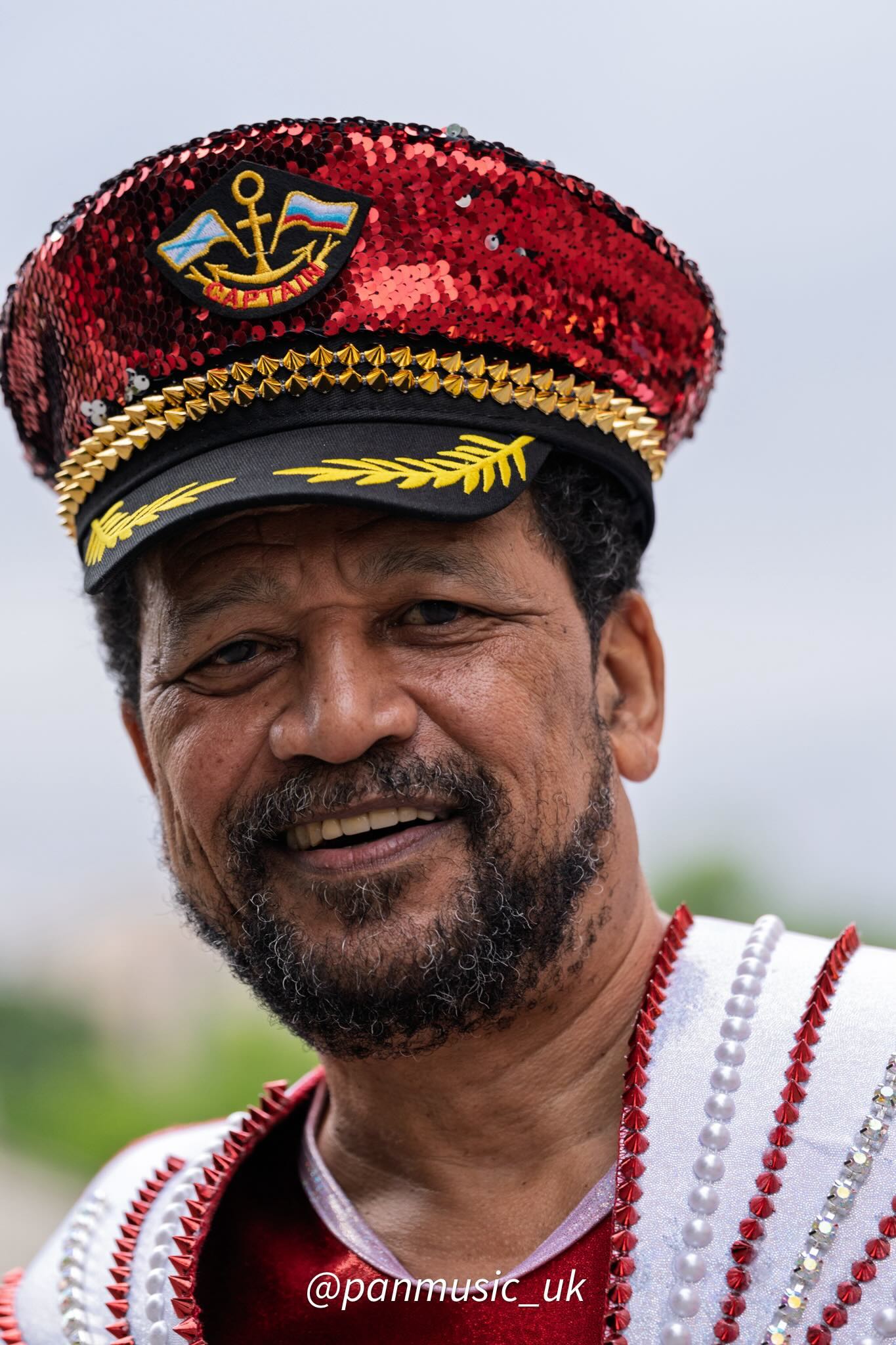
Michael Olton, band leader, Soca Massive Fancy Sailors
“You could hear my truck at least a mile away, and people just came out of nowhere and started following me,” Olton recalls. “I have Trinidadian heritage, but I grew up in South London surrounded by Jamaican sound-system culture. I took the knowledge of building speaker boxes, the power of the bass and the ability to move a crowd and put it behind soca and Mas.”
Olton says Mas bands saw the potential and began adopting sound-system trucks of their own. The change allowed soca and calypso to travel through the procession with new scale and physical force, alongside the steelbands.
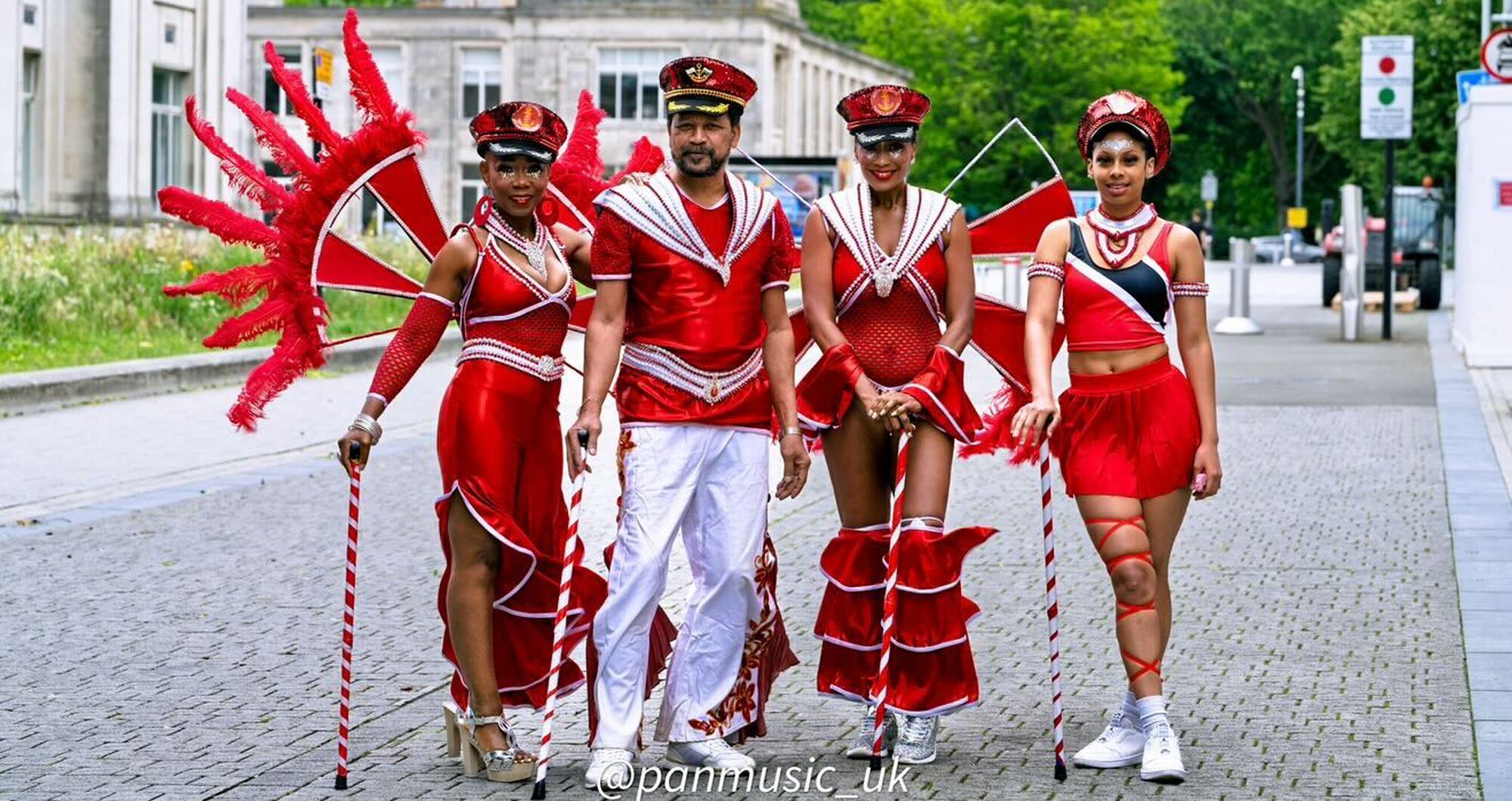
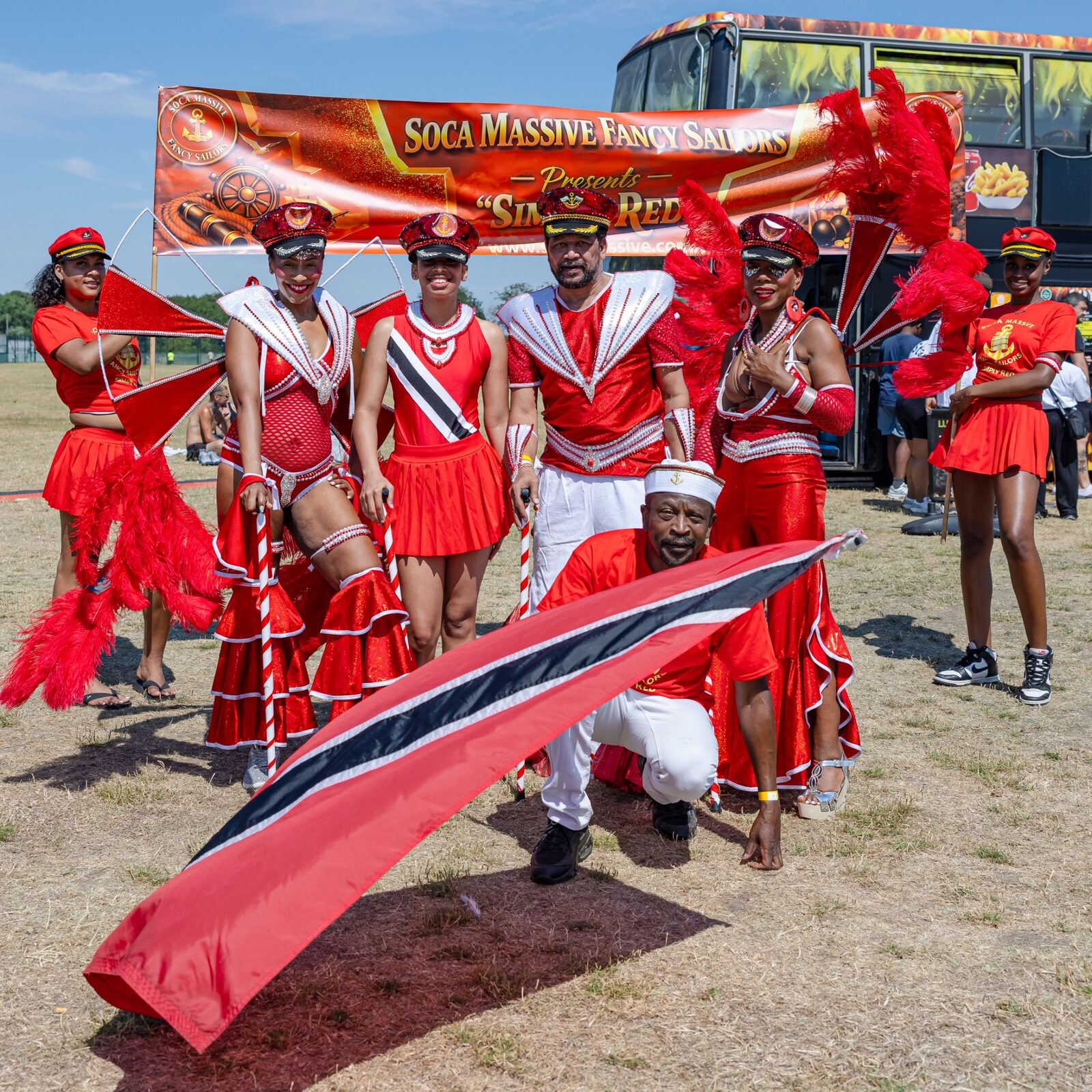
More than four decades later, Olton leads Soca Massive Fancy Sailors, Notting Hill Carnival’s only traditional Sailor Mas band and its only South London-based Mas band.
His story is bringing recognition to the London Borough of Lewisham, whose school and youth centre helped produce an innovation that changed the road.
Built in New Cross
Olton grew up on Childeric Road in Deptford and attended Samuel Pepys School in Brockley. His Trinidadian family connected him to calypso, soca and masquerade, while the South London of his youth was heavily influenced by Jamaican sound-system culture.
Those traditions first came together at school and inside Moonshot Youth and Community Centre in New Cross.
“I learned how to build speaker boxes in woodwork class with other boys who also built legendary sound systems like Jah Shaka and Saxone,” Olton says. “I mastered the engineering and practical skills at Moonshot.”
In 1984, he established Soca Massive Mobile Sound System and carried that knowledge across London to Notting Hill.
Static Jamaican sound systems had officially been incorporated into Carnival in 1973. They remained in fixed positions, with towering stacks of handmade speaker boxes turning streets and junctions into distinct musical destinations.
Olton’s intervention was different. He adapted the principles of Jamaican sound-system culture. This included speaker construction, amplification, bass weight and the ability to command an outdoor crowd, to create a system powerful enough to move through the procession.
The result was not the replacement of one tradition by another. Steelband’s continued to play for Mas bands, and static Jamaican systems maintained their spaces within Carnival.
Together, they expanded its musical range while allowing each tradition to remain recognisable.
“What London Carnival does at its best is bring different cultures together,” Olton says. “They meet, influence each other and create something new.”
What Moonshot made possible
Olton did not learn engineering at an elite arts institution or commercial recording studio. The foundations were laid in a school woodwork class and developed inside a youth centre serving a Black community during a period of deprivation and racial tension in inner-city London.
Moonshot did more than give young people somewhere to spend their time. It provided tools, practical instruction and space to experiment with ideas drawn from the cultures around them.
In February 1981, Olton was chosen to greet the then Prince Charles when he officially opened the centre.
“I thanked him because I was grateful,” Olton says. “It was rough in those days, and Moonshot gave us somewhere to experiment, build things and explore our cultural knowledge.”
What emerged from that building was not merely a youth project. The skills Olton developed there helped change how music was carried through one of Britain’s largest cultural events.
That history feels especially relevant as youth clubs and community spaces across London face continuing financial pressure. Their value cannot be measured only by what happens inside them today. A young person given tools and somewhere to experiment can influence the cultural life of a city decades later.
Building the sound again
In the days before Carnival, Olton returns to the physical work behind the procession.
“Every year, I turn a 40-foot truck into a mobile sound platform,” Olton says. “I build the scaffolding and oversee the speakers, amplifiers, power supply, cabling and DJ equipment. Everything must be secured for the road while leaving space for the crew.”
It is work shaped by more than four decades of construction, engineering and Carnival knowledge.
After establishing his mobile system, Olton worked with bands including Genesis, Cocoyea, Rough Diamonds, Dragons and 1st Century. In 2006, he founded Soca Massive Fancy Sailors, which made its Notting Hill Carnival debut the following year and continues to safeguard the 120-year-old tradition of Fancy Sailor Mas.
For Carnival’s 60th anniversary, the band’s Simply Red presentation combines traditional Mas with contemporary design to honour the Caribbean people who travelled to Britain, built communities and helped reshape the country.
Olton’s story is a reminder that Carnival’s history extends beyond West London. One of the innovations that transformed the road began at a school workbench and was developed inside a New Cross youth centre.
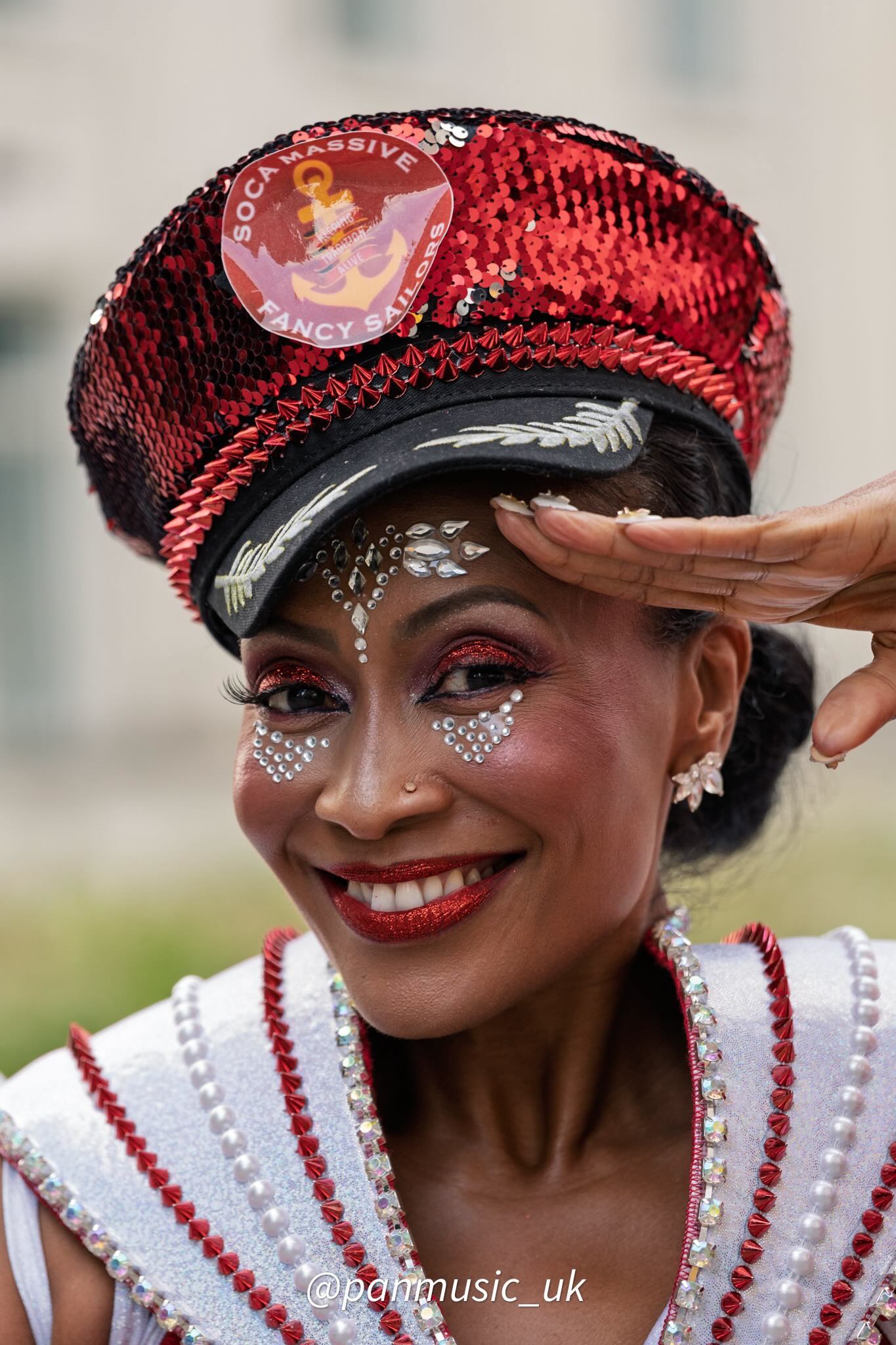
Nadine Drummond