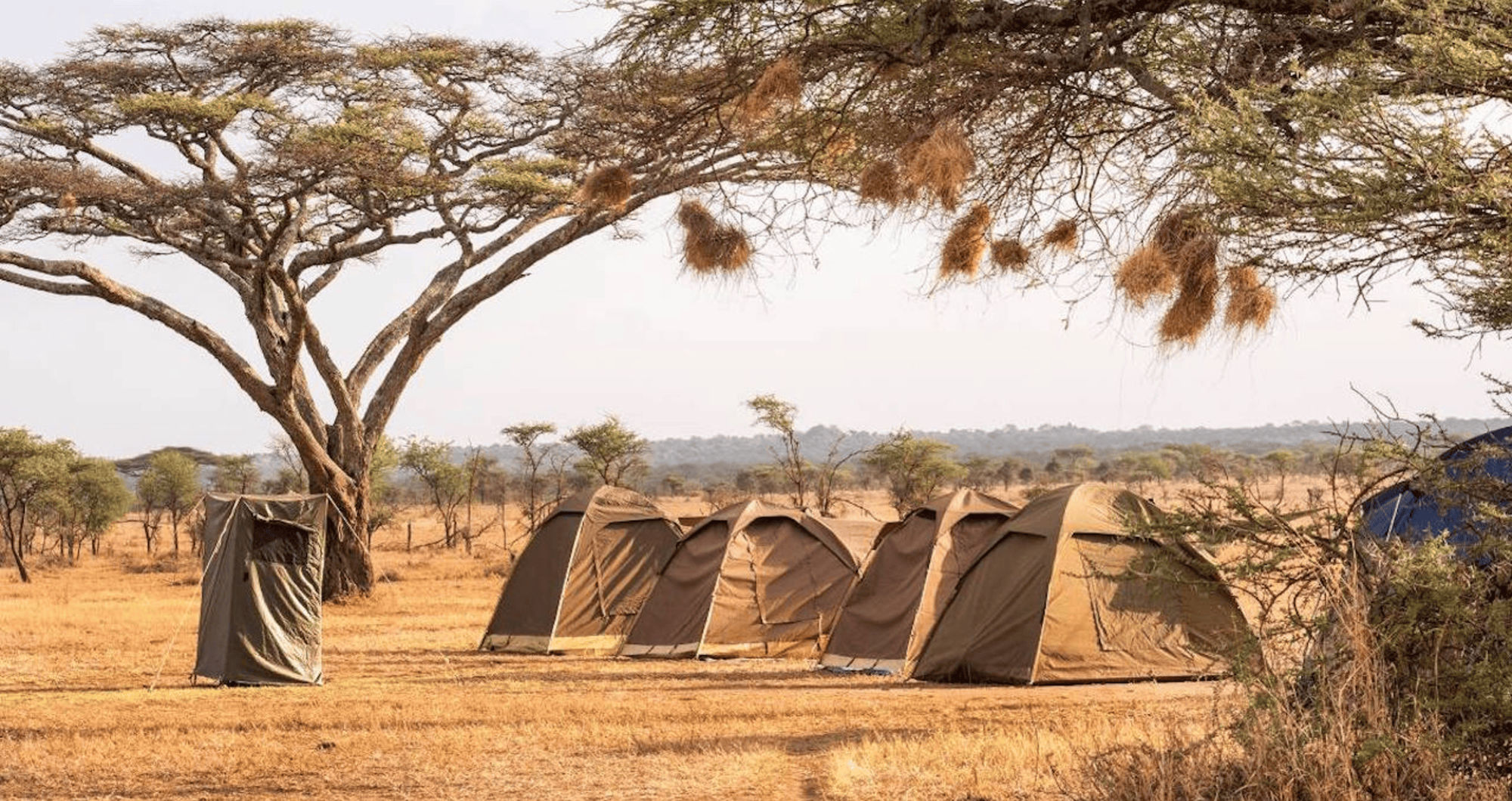

Start of a Dream
When you land in East Africa, you feel something special. The air smells wild. The sun hits your skin warm, not hot, just right. You look around and see wide open land, long grass dancing with wind, and far away, a big mountain watching everything-Mount Kilimanjaro. That’s how every great adventure begins here. The heart of Africa calls you. The wild whispers your name. You don’t come here to just see; you come here to feel.
Tanzania Safari from Zanzibar
Many travellers come first from Zanzibar. That small island, full of spice and sea, soft waves and blue water. Then they fly or sail to mainland Tanzania for a safari. From white sand beach to golden savanna, that change feels magical. You wake up one morning with a sea breeze; the next morning you see elephants crossing a dusty road. That’s the Tanzania Safari from Zanzibar. It’s like two different worlds in one trip.
You go from calm ocean to roaring lions. You can start early from Stone Town, reach the Arusha or Serengeti side, and in a few hours, boom—you are in wild Africa. Giraffes walking near the jeep. Zebras running like a painting come alive. The smell of dust and grass mixes together. The guide tells you stories, old Maasai legends about the land and the animals.
Every stop on safari brings something new. One day, you see a lion sleeping under an acacia tree. The next day, you find a herd of elephants bathing in a muddy pool. In the evening, you sit near a campfire, the sky full of stars so bright, with no city light to hide them. You sip warm tea and think—this is not a dream; this is real life.
Safari from Mombasa
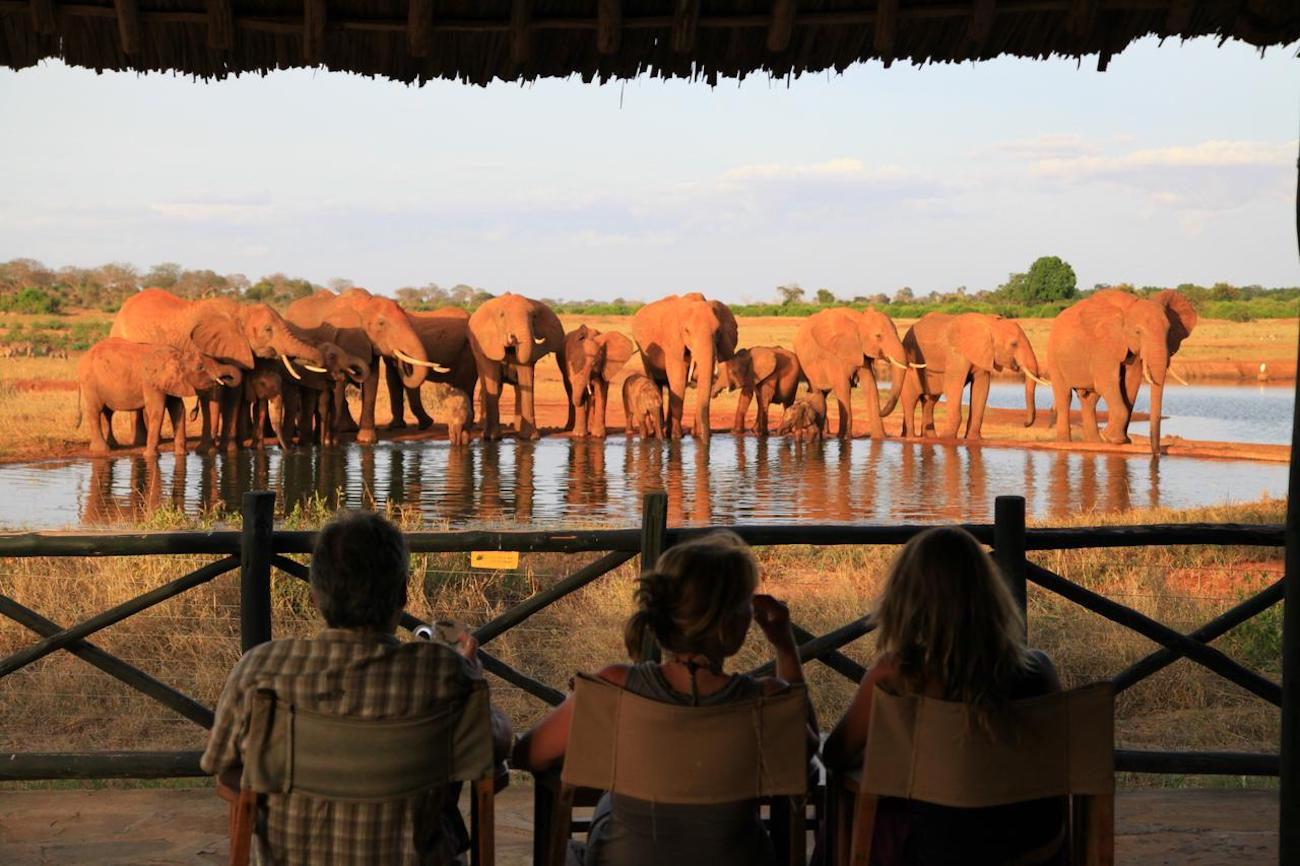
Then there is Mombasa. The Kenya side, close to the coast, also gives you a safari gate. Safari from Mombasa start differently. You feel old Africa here. The air smelled of salt and sea mixed with wood smoke. From Mombasa, you go to Tsavo East or Tsavo West, two big parks. You ride early in the morning when the sun is coming up, the sky is turning orange, and animals wake and move.
Tsavo land is rough, red earth, big rocks, and dry bush. The elephants here look reddish because of the soil they roll in. Lions hide in tall grass. Sometimes you see a cheetah running fast, just dust behind. It’s wild, pure, and honest. The guide tells you, “This is real Africa, not a zoo, not a picture.” And you nod, because you can feel that truth.
After the safari, you come back near Mombasa Beach, maybe Diani or Nyali, and rest. Swim a little, eat fresh fish, and watch the sunset fall into the Indian Ocean. The mix of ocean and savanna makes you feel alive again. You can touch both sand and soil in the wild land in one journey.
Mount Kilimanjaro—The Roof of Africa
Now comes the big part. Mount Kilimanjaro. The tallest mountain in Africa. You see it for the first time from far away; it looks shy, hiding under clouds. But when clouds move, that snowcap shines white like silver. Climbing Kilimanjaro is not just a hike. It’s a story of heart and will.
The journey starts in Moshi or Arusha town. You meet your guide, porter, and cook, all smiling, all ready. You pack your bag and your boots and start walking. At first, it’s a green forest, with high trees and birds singing. Then slowly the land changes, with fewer trees and more rocks. The air gets thin, and steps get slow. But with every step, you feel proud.
At nighttime, cold comes hard. You wear a jacket, your hands shake, but you look up—the sky is full of stars again. You think of home, then you look at the mountain, and you keep walking. That’s how Kilimanjaro teaches you. Step by step, pole pole, slow and steady.
When you reach the summit, Uhuru Peak, everything goes quiet. No sound, only wind. You look down and see clouds below your feet. Sunrise is golden over Africa. Tears come easily. You did it. You’re on top of Africa. And that moment will never leave your heart again.
Between Safari and Summit
What makes East Africa magic is the mix. You can do a safari, then climb Kilimanjaro, or do both around the same time. Some travellers do a Tanzania safari from Zanzibar, then go on a Kilimanjaro climb. Others start from Mombasa Safari, then travel to the Kilimanjaro side by road. Both ways are rich, both ways full of memory.
Between these adventures, you see local people too. Maasai with red clothes walking tall. Chagga farmers near Kilimanjaro are growing bananas and coffee. Fishermen near the coast are pulling a net from the sea. Children wave to you and smile big. You understand Africa is not only about animals and mountains. It’s about the soul. People are simple, strong, and kind.
Taste and Smell of the Land
The food here keeps you happy. You eat chapati in the morning, rice and beans for lunch, and maybe grilled goat or chicken at night. In Zanzibar, you taste spice—clove, cinnamon, and cardamom. In Mombasa, coconut flavour is in everything. In the Tanzanian bush, fresh fruit and local tea. You feel Africa in every bite.
When you come back to camp after a long day, the smell of firewood fills the air. Cooks make soup, guides sing, and porters laugh. It’s the small things that make big joy. You sleep under a tent and sometimes hear a lion roar far away. But instead of fear, you smile. Because that’s wild, talking to you.
People, Culture, and Smiles
Africa is not only about wild animals. People here are proud of their culture. In Tanzania, you meet Maasai warriors. They jump high, wear bright colours, and tell stories of bravery. In Kenya, you meet Swahili people near the coast, with gentle voices, strong history, and mixed Arab and African blood. Everywhere you go, smiles follow you.
When you walk the Kilimanjaro route, your team supports you like family. They carry your bag, they cheer “pole pole,” and they help you when you are tired. And when you reach the top, they clap for you, even if they already did many times before. That kind of heart you never forget.
Magic of the Wild Life
The wildlife in East Africa is so rich. You see all of the Big Five—lion, leopard, rhino, buffalo, and elephant. But also many more: wildebeest, gazelle, flamingo, hippo, giraffe, and cheetah. Sometimes you see small things too—a bird bright blue, a monkey playing, a lizard on a warm rock. Every corner is full of life.
During the Great Migration, a million wildebeest move from the Serengeti to the Maasai Mara. It’s like a river of animals, an endless line, with dust flying in the air. You see a predator waiting. Nature balance—beautiful, hard, fair. You understand how the wild survives without the rule of man.
Best Time for This Adventure
East Africa is good almost all year round. But the best time depends on what you want.
If you want dry land and easy animal spotting, go from June to October. It’s the dry season.
If you want green land, flowers, and fewer crowds, go from December to March.
The Kilimanjaro climb is also best in dry months—January to March or June to October.
Rain can make trails slippery but also make land alive with more colour and more sound.
So no matter when you come, Africa gives something special.
Simple Packing, Big Heart
You don’t need too much. Good boots, jacket, sun hat, and water bottle. Camera if you want, but eyes are better than a lens. For Kilimanjaro, add layers, gloves, and warm socks. Always keep an open heart. Because Africa enters through feeling, not through the screen.
When the Journey Ends
When it is all finished, you sit somewhere—maybe an airport or small café—and think back. You remember the roar of the lion, the cold wind on the summit, the smile of the guide, and the laugh of the children. You realise East Africa is not something you see; it’s something that stays in you.
The sand from Mombasa is still in your shoe. The dust from Serengeti is still on your bag. The snow from Kilimanjaro may melt, but the memory will not. You go home different, lighter, but full inside.
Why Everyone Should Go
Because East Africa shows life raw and pure. It teaches you to slow down, look, and listen. When you see the sunrise over the savanna, you feel small but happy. When you stand on Kilimanjaro, you feel big but humble. When you sit with Maasai around a fire, you feel human again.
That’s why you go. That’s why you come back again.
5 Questions People Always Ask
Is a Tanzania safari from Zanzibar easy to plan?
Yes, very easy. You can fly from Zanzibar to Arusha or Serengeti in a short time. Many tours already include that.
How long does it take to climb Mount Kilimanjaro?
Mostly 6 to 8 days, depending on the route. You go slowly to get used to the air.
Safari from Mombasa or from Arusha—what’s better?
Both are nice. Mombasa gives the coast and the Tsavo wildlife. Arusha gives Serengeti and Ngorongoro. You choose your heart.
What kind of people do I meet on the way?
You meet Maasai, Chagga, and Swahili people and travellers from all over the world. All friendly. All love nature.
Is it safe to travel?
Yes, with a guide and local company, it’s safe. People are helpful, and roads are good; only respect nature and the rule of the park.
The Final Feeling
East Africa is not just a trip; it’s a feeling that never fades. From Zanzibar’s blue sea to Mombasa’s red soil, from the Serengeti plains to Kilimanjaro’s peak—it’s all one rhythm, one big heart beating. You go there once, but it stays inside you forever.
When you remember, you close your eyes and still see it—the lion’s eyes, the mountain snow, the endless land under the orange sky. And you whisper to yourself, “I was there.” That is the ultimate East Africa experience.