
Life in London is hectic and stress-filled because of the cut-throat corporate scene. That’s why London professionals spend time on their hobbies, such as sports or nature. Art is also gaining popularity because it has been proven to lower cortisol levels.
Today, we will find out why so many Londoners choose art recovery. You can also learn some tips for using art to manage daily stress. So, let’s check out!
Why Is Art Recovery the New London Trend?
Londoners tend to trade traditional gym memberships for gallery tickets. This trend stems from several factors, such as:
- Biological restoration: Activities related to creativity can lower cortisol levels and even boost immune functions. That way, they improve cardiovascular health.
- Cognitive reserve: Art acts as a defence against ageing. Regular visits to museums around London or concerts enhance memory.
- Social connection: Art classes help fight loneliness because they help people reduce excessive phone scrolling. The classes are also chances for them to connect with others.
- Emotional resilience: Trying a new craft like pottery helps people get comfortable with making mistakes. Over time, we become more resilient and handle the pressures of daily life better.
- Cultural mindfulness: London has a fast-paced environment. Engaging with colors, textures, and sounds helps pull Londoners’ focus away from digital screens and back to the physical world.
Art Exercises for Stress Relief
At the heart of art recovery is the act of creating in your own style. When you move your hands and focus your mind on the work, your body engages in relaxation. Here are some exercises to try.
Clay Modeling
Clay modelling allows you to feel the cool clay in your hands. It’s a great way to release physical tension because you can shape the materials. You don’t have to follow any rule for the shape, which encourages creativity.
You can also try decorating the clay with natural textures or patterns using shells or stamps. While the clay is still soft, press in beads or sea glass to add more colours. The result will be more interesting to touch and hold.
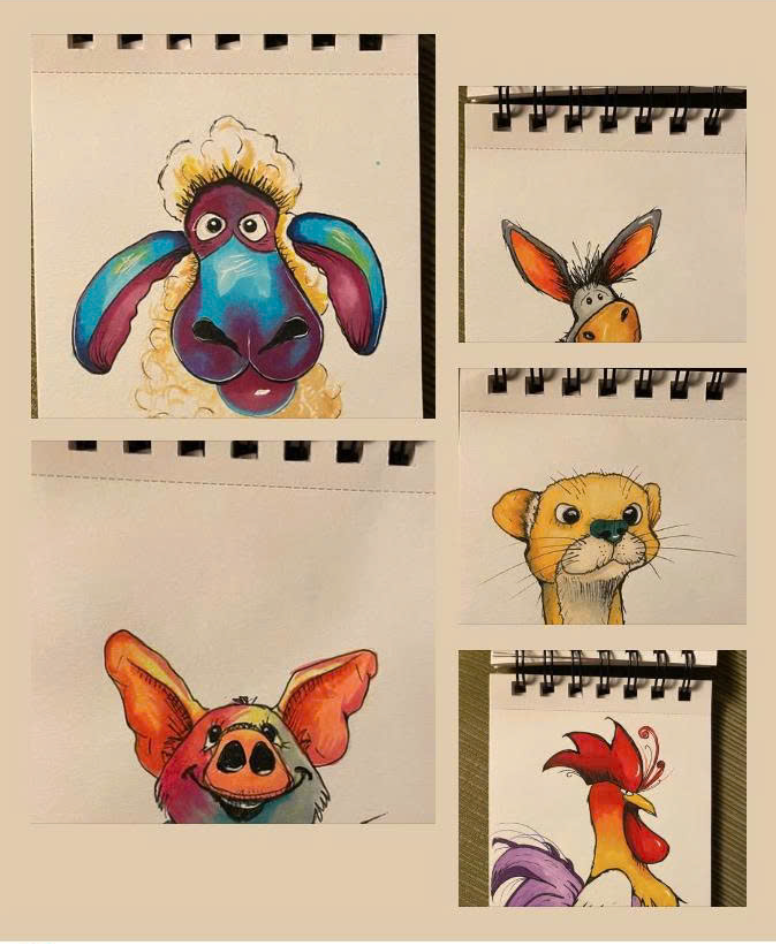
Drawing
When you focus on the lines on the page, your brain can relax, moving from a high-alert mode to a meditative state. As you draw, your eyes can rest and stay away from the screens. This way, you reduce the mental fatigue caused by stress from work.
One of the best things about drawing is that you can try it anytime and anywhere. Simple drawing tools are easy to find, and there is no limit to the topics. Let your mind wander freely. In the end, the picture can even speak for your mind.
Watercolor Painting
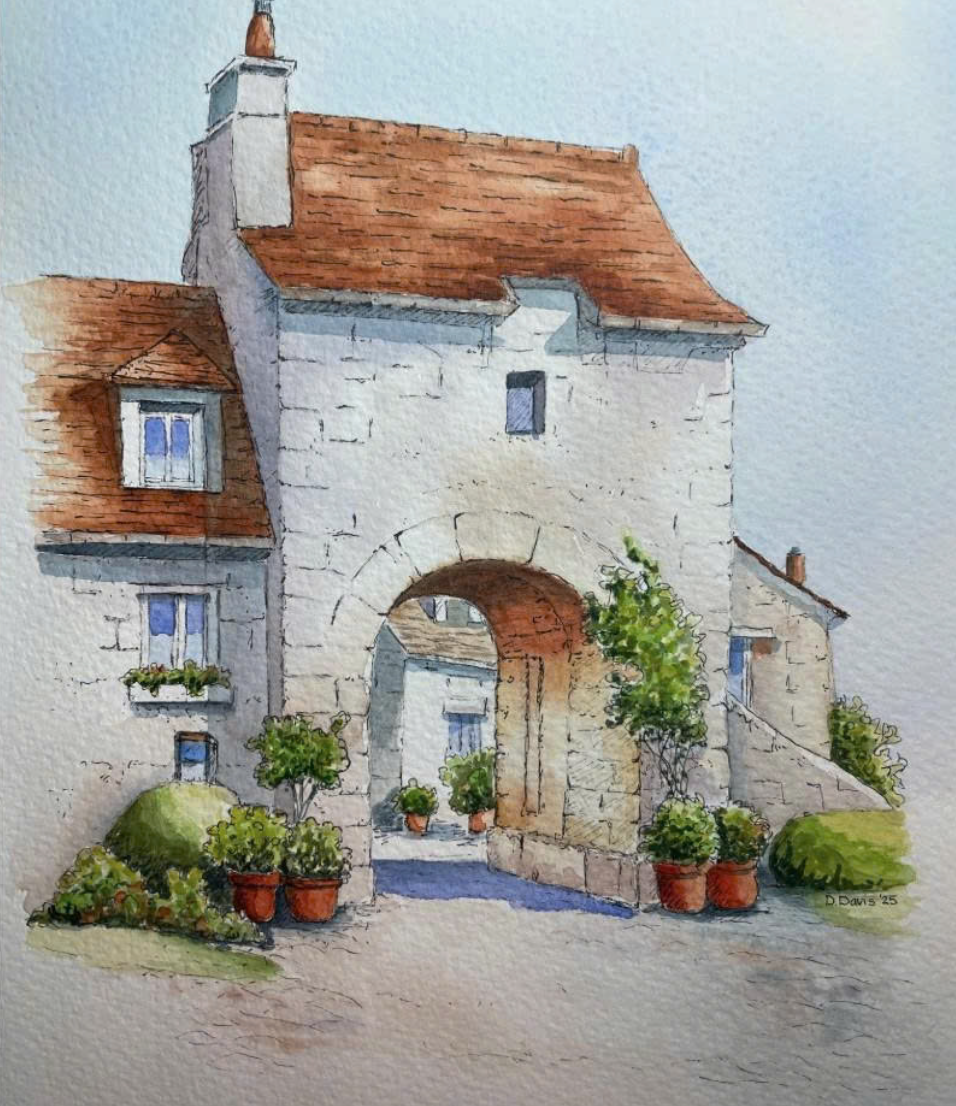
While drawing is simply about using a pen or pencil, painting can be more expensive and demands more tools. But when the colours blend and flow as you paint, you can vent feelings through big strokes and bright colours. The stunning look on paper makes it a powerful tool for building resilience.
Don’t know where to start? Paint9Art is a fantastic place for beginners. The tutorials here focus on simplicity, offering easy-to-follow guides that help you create beautiful art while finding your inner calm.
Zentangle Art
Zentangle art is a method of drawing repetitive patterns in black and white. This kind of art doesn’t require any artistic skills. Simple strokes are enough to make beautiful pictures.
You can experiment with different shapes and curvy lines. From a different viewpoint, it can be a creative puzzle as you complete the blank space with random artwork.
How Can You Start an After-Work Art Ritual?
Once you have picked the type of art, start creating a plan to keep it as a ritual. The steps are simple as follows:
Learning Foundations
You don’t need a degree to engage in art. Yet, knowing the basics helps prevent frustration. You can spend your first few sessions watching simple tutorials or reading beginner guides.
Another tip is to join forums where artists of all levels gather. They share knowledge, tips, and hacks, building a community where people feel comfortable with their work.
Creating a “Calm Zone”
The environment inspires artists the most. Hence, you should dedicate a specific corner of your home to your art. Even if it’s just one end of the dining table, you will feel a sense of relief whenever you look at it.
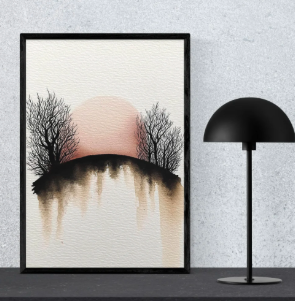
Artwork around the room can also help. QuietArt.store offers pieces that bring a sense of peace to your surroundings. Most follow the minimalism concept, which is effective at lowering stress.
Reflect on Your Experience
After you finish a session, take two minutes to sit with your work. Don’t judge it with a critical eye. Instead, ask yourself how the process made you feel. Reflection helps you connect the act of making art with the benefit of mental restoration.
A small art journal is a good idea for the reflection. Your hobby now turns into a powerful tool for self-discovery. Over time, you will be proud of yourself for creating a wonderful collection filled with your artwork.
Feel Free to Explore
The best part of an art ritual is that there are no rules. It’s a space where you can let go of perfection and simply follow your curiosity. Your canvas doesn’t care about deadlines or mistakes.
For example, one night you may feel like doing Zentangle patterns, and the next, you may want to play with watercolors. Exploration is where the true healing happens.
Conclusion
Art is a powerful act of self-care. The goal is to reconnect with yourself and find balance in your life. Creative exercises also help you create a path to mental clarity and emotional strength.
The art recovery trend proves that creativity isn’t a luxury. Remember that the beauty of the final piece matters far less than the peace you find while creating it. Let your art be your sanctuary!