
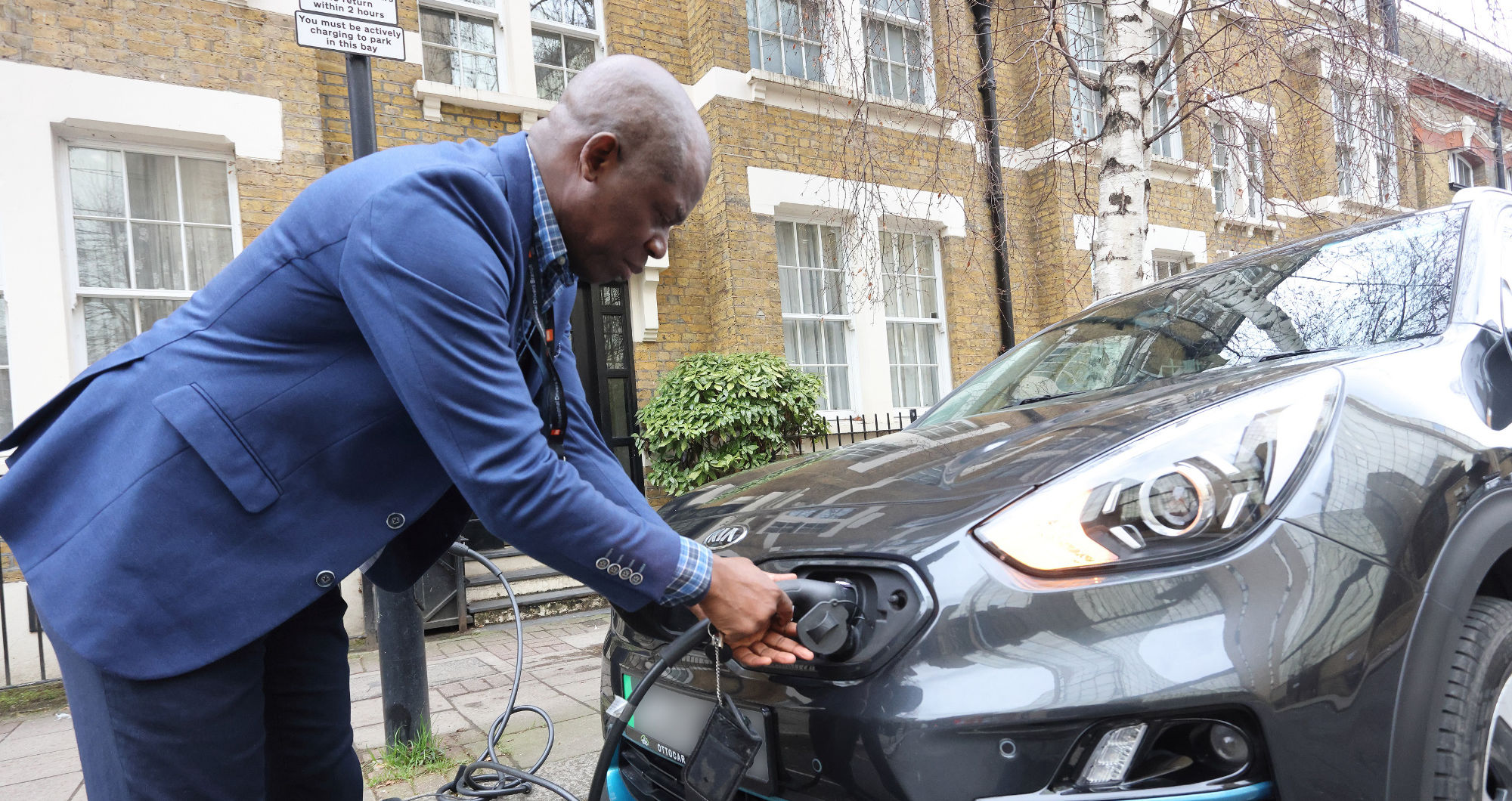

Transport for London (TfL) has launched a consultation on plans to accelerate the transition to zero-emission private hire vehicles (PHVs) to improve air quality and reduce carbon emissions across the capital. The proposals would see that all newly licensed PHVs are zero-emission from July 2028, with the exception of those that are wheelchair accessible, which would need to be zero-emission from July 2030.
With a confirmed timeline, TfL would also be setting a clear direction for producers of wheelchair accessible vehicles, so they can understand TfL’s requirements in advance and produce vehicles that will meet the future licensing requirements.
Road transport remains a major contributor to air pollution and carbon emissions in London [1]. Air pollution impacts health in both the short and long-term with Londoners developing life-changing illnesses such as cancer, asthma and lung disease.
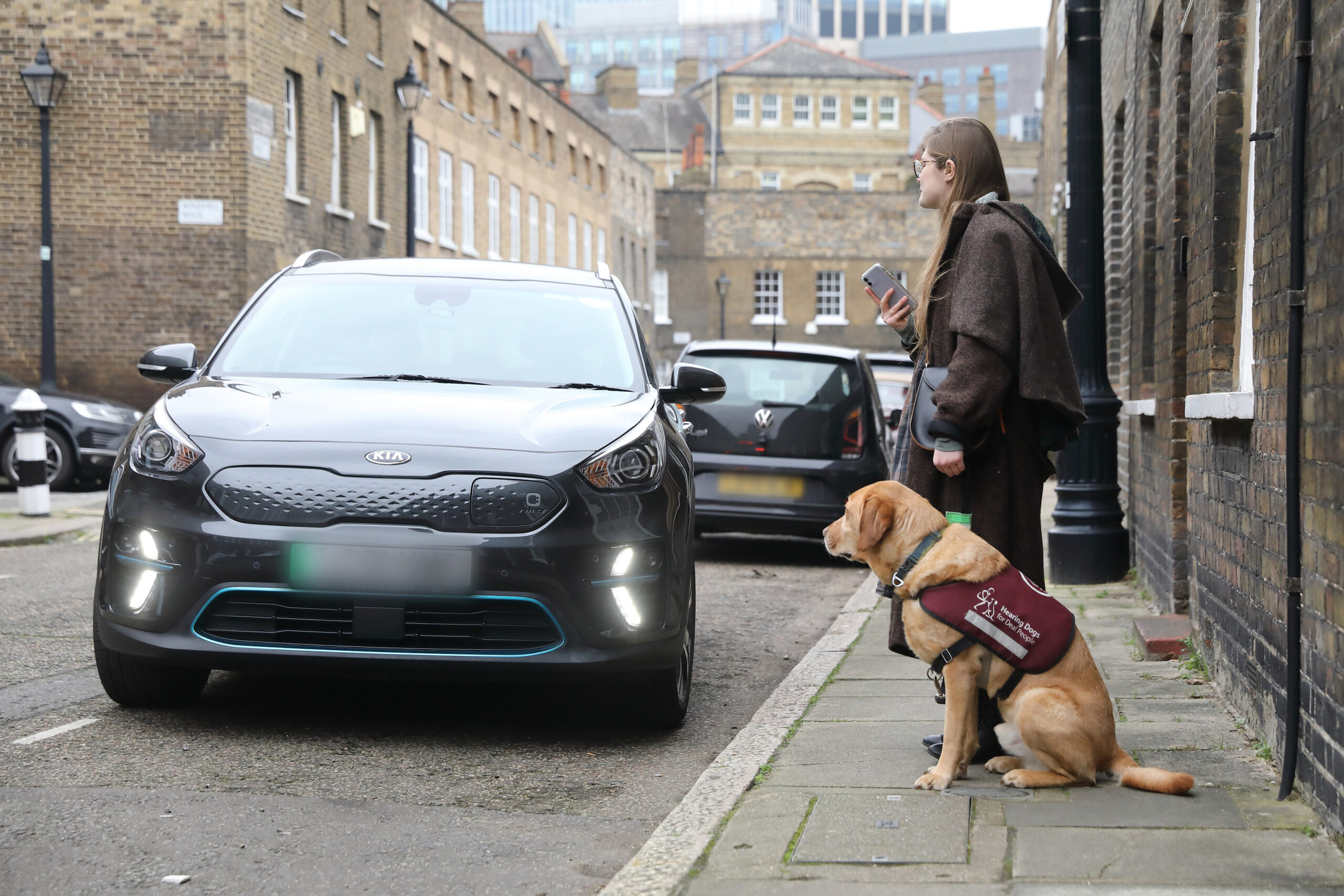
The proposals would significantly reduce the NOx and CO2 emissions directly generated from PHVs both in the short term and long term. If the proposed changes were made, forecasts for the first ten years show a nine per cent reduction in PHV-based NOx emissions and a 35 per cent reduction in PHV-based CO2 emissions, compared with existing licensing requirements. Over eighteen years, the forecast is these emissions would reduce by 97 per cent [2].
Significant progress has already been made in the industry. More than 70 per cent of private hire vehicles are now zero-emission capable [3]. While this has been an important step in the transition to more sustainable fleets, zero-emission capable vehicles that are not fully electric still produce emissions from the exhaust when operating in non-electric mode.
The consultation, which runs until 23:59 on Wednesday 2 December 2026, proposes that:
- All private hire vehicles new to licensing in London, except for wheelchair accessible private hire vehicles, will need to be fully-electric vehicles from 3 July 2028
- All wheelchair accessible private hire vehicles new to licensing in London will need to be fully-electric vehicles from 1 July 2030
Other changes, proposed to start from 1 March 2027, include:
- No longer approving new alternative fuel conversion systems for vehicles, such as Liquefied Petroleum Gas and Compressed Natural Gas, and new exhaust abatement systems
- Reducing the maximum length of time for re‑licensing an expired taxi or private hire vehicle from 24 months to 12 months, beyond which it would become ‘new to licensing’
- Not allowing private hire vehicles to remain licensed beyond the date the vehicle reaches 10 years old
Christina Calderato, Director of Strategy at TfL, said:
“We recognise the crucial role that London’s private hire services play for customers, providing a vital door-to-door service. This is especially true where the public transport network has gaps or cannot yet meet all our customers’ needs.
“However, this isn’t the only role they play. Private hire vehicles are also a vital component in London’s transition to becoming a more sustainable and healthier city with less pollution. Building on the progress that has already been made, this consultation sets out our proposals to strengthen those achievements and drive forward the transition towards a zero-emission fleet.”
Deputy Mayor for Transport, Seb Dance, said:
“London’s private hire vehicles play a vital role in keeping the capital moving, providing an accessible door-to-door service for millions of people, and we want to ensure they can continue doing so sustainably for years to come.
“The Mayor and I are proud that London’s PHV drivers have led the way in adopting zero-emission capable (ZEC) technology, with more than 70 per cent of their vehicles now ZEC – but there is more to do. That’s why we’re consulting on these proposals, which would help improve air quality, protect Londoners’ health and support our efforts to tackle the climate crisis.
“I encourage everyone to take part in the consultation as we continue building a greener, cleaner and more sustainable London for all.”
London already has the largest electric vehicle (EV) charging network in the UK – comprised of more than 29,500 public charging devices, around a third of the UK’s provision, including more than 2,000 rapid or ultra-rapid charging devices [4]. TfL has been working with charge point operators to bring forward new rapid and ultra-rapid EV charging bays across its estate and Places for London – TfL’s wholly owned property company – has also partnered with EV charging hub operator Fastned to develop several new EV ultra-rapid charging hubs across the capital.
The consultation, which runs until 23:59 on Wednesday 2 December 2026, can be accessed online at here.
On average, a PHV drives 30,500 kilometres per year [5] – significantly higher than an average annual London car usage – which means that private hire vehicles can play an important role in supporting the reduction of road transport emissions [6].
While this consultation focuses predominantly on private hire vehicles, TfL continues to consider proposals for a zero-emission requirement for London taxis in the future.







