
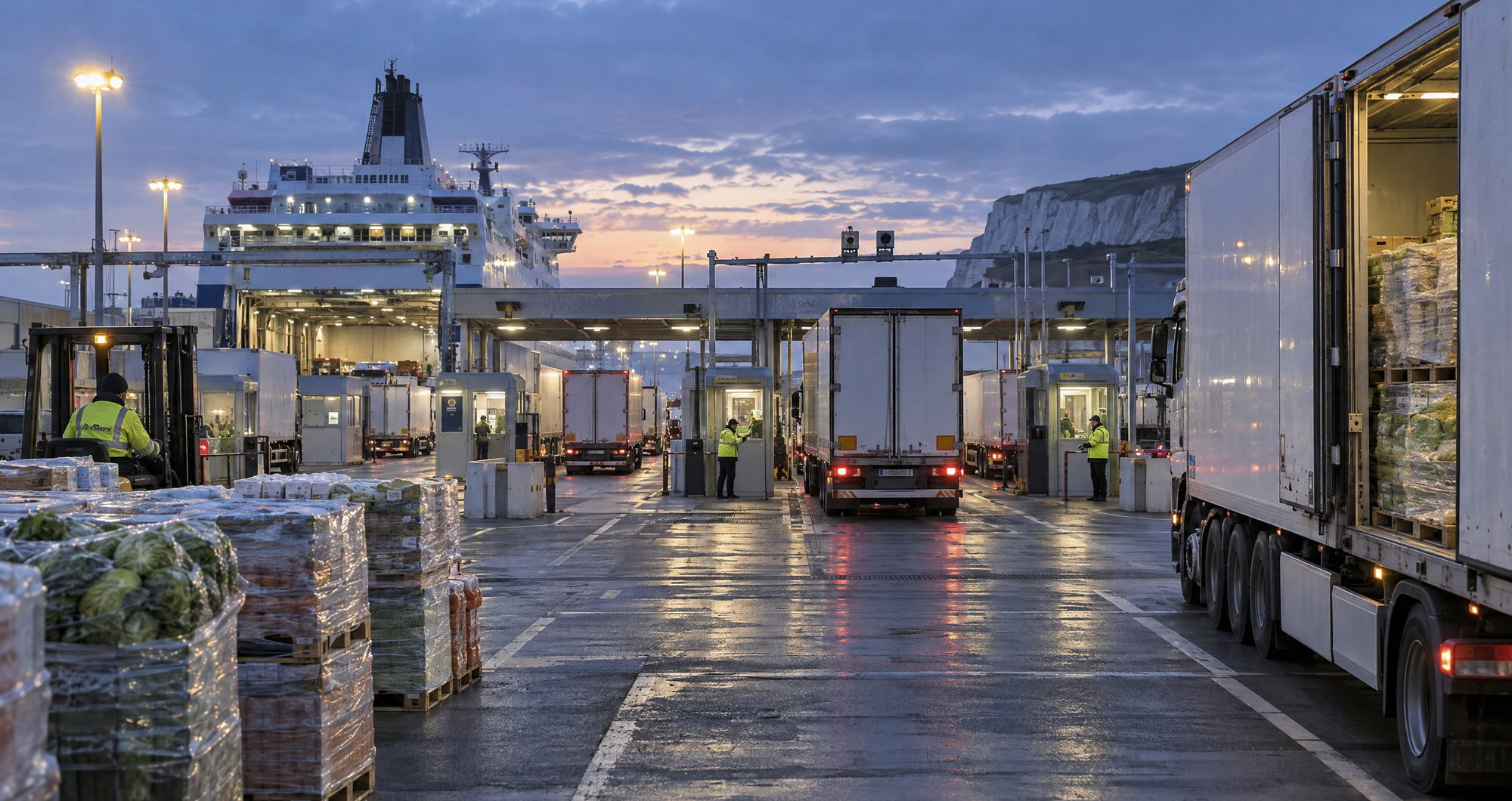

British and European Union negotiators have finalised the text of a food and agricultural trade agreement that would remove the need for veterinary and plant health certificates on many products, with a summit in Brussels set for 20 November to sign it off.
Draft joint positions on migration, youth mobility and electricity trading have also been agreed, according to officials on both sides, although several elements will require legislation before they can take effect.
What the deal would change
Exporters of many food products would no longer need an export health certificate, which typically costs around £200 per consignment, or a plant health certificate costing about £25. The agreement covers fresh meat, fish, shellfish and seed potatoes, and would restore access to the EU pet passport system for British travellers.
For movements from Great Britain to Northern Ireland, the deal would end physical checks and the not-for-EU labelling requirement on food, although excise goods such as wine and cigarettes would still be checked under separate arrangements.
The government estimates the agreement could be worth up to £5.1bn a year by 2040, mostly through reduced paperwork and faster transit for perishable goods. Small exporters, for whom a £200 certificate can be the difference between profit and loss on a single pallet, would gain disproportionately.
Why it has taken so long
Food and agricultural trade was the most difficult part of the post-Brexit settlement because it touches two politically sensitive systems at once. The EU requires imports to meet its sanitary and phytosanitary rules, and aligning with those rules means accepting a role for European courts in disputes about them.
The agreement is expected to involve a form of dynamic alignment, under which the UK would follow changes to EU food law in the covered areas. That is the price of removing checks, and it is the element that will attract most criticism from those who oppose any alignment.
Implementation is not expected before early 2028, because the UK needs legislation to give effect to the alignment and to establish the border arrangements that replace the current system.
The politics
The Democratic Unionist Party said the sanitary and phytosanitary element does not go far enough because some checks on goods moving within the UK’s internal market will remain. Unionist criticism focuses on the principle that Northern Ireland continues to follow EU rules in this area, rather than on the practical effect for traders.
Farming unions have been more receptive, since the deal reduces the cost of exporting to the UK’s largest market for agri-food products. Retailers have argued that removing checks would widen choice on shelves and reduce the cost of fresh produce, particularly in the winter months when the UK imports heavily.
The youth mobility element would allow 18 to 30-year-olds to live and work on both sides for a fixed period, with tuition fees for EU students to be negotiated separately within six months. That is politically difficult in the UK, where the government has promised to reduce net migration, and the scheme is expected to be capped.
What happens next
Leaders meet in Brussels on 20 November. If the text is signed, the work moves to legislation in Westminster and to ratification on the EU side, with the border arrangements to be tested in practice rather than in a communiqué. For exporters, the change will not be real until the certificates stop being required at the port.







