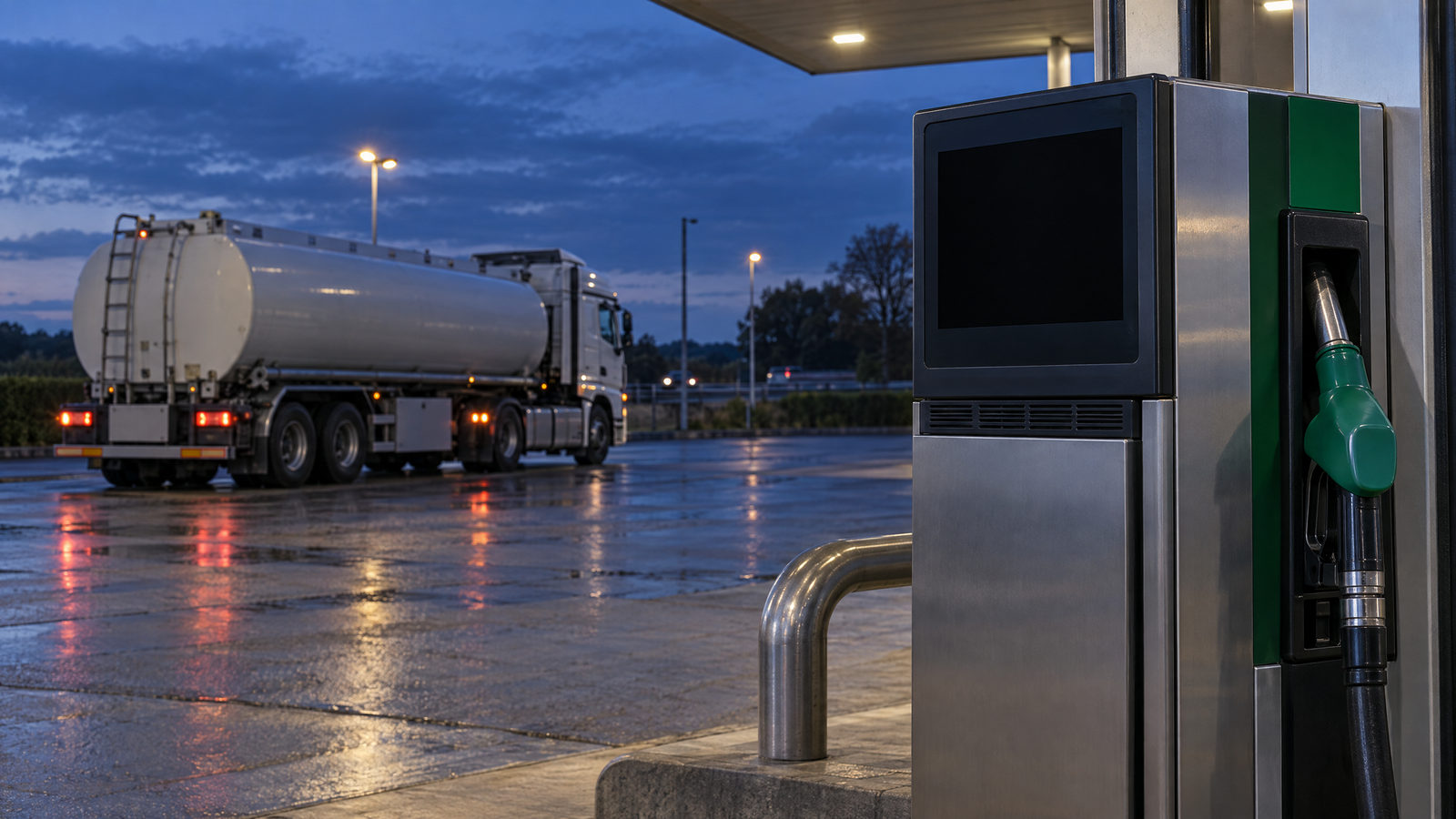

UK diesel has reached a new national average high of 199.18p a litre, taking the typical price just below £2 at the pump. The figure, recorded on 28 September, is narrowly above the previous peak of 199.09p a litre in June 2022. The margin is only 0.09p, but it marks a new record for an indicator watched closely by drivers, freight operators and businesses that depend on road transport.
The latest figure is an average rather than a price charged at every forecourt. It draws on a range of supermarket sites, motorway service stations and independent retailers, so the amount paid by an individual driver can still differ by location. Even so, an average at this level provides a clear measure of how far diesel costs have moved across the country.
What the new average means at the pump
At 199.18p a litre, filling an average family car with diesel now costs almost £110. That is a significant household expense for people who use a vehicle regularly for work, caring responsibilities or journeys where public transport is not a practical alternative. It is also a cost faced repeatedly by firms operating vans, taxis, delivery vehicles and heavier road fleets.
The record also provides an important distinction between a high price and a new high. Diesel had already returned to levels not seen since 2022 earlier in September. Crossing the old 199.09p benchmark confirms that the previous peak has now been exceeded, rather than merely approached. The updated average therefore represents a discrete change in the national price record, not just another indication that fuel remains expensive.
A sharp rise since late February
The change over the year has been substantial. On 28 February, the diesel average stood at 142.38p a litre. By 28 September it had risen by 56.8p to 199.18p, an increase of 39.9%. The comparison illustrates the scale of the movement: a rise measured in pennies per litre becomes much more consequential when multiplied across a full tank or a commercial vehicle’s regular fuel use.
Unleaded petrol has risen too, although it remains below its own 2022 high. The average unleaded price was 174.13p a litre on 28 September, compared with 132.83p on 28 February. That is an increase of 41.3p a litre, or 31.1%, and takes the cost of filling a typical family petrol car to nearly £96.
Why diesel has a wider economic role
Diesel is used well beyond private cars. It is a major fuel for lorries, vans, agricultural equipment and a range of industrial activity. When its price rises, the immediate effect is felt by those buying fuel, but the pressure can also reach businesses that move goods or provide services by road. Whether and how those costs are absorbed or passed through will vary between firms, contracts and markets.
Current pressure on fuel markets reflects disruption to the supply and movement of oil and refined products, alongside tight diesel availability. The UK relies on imported diesel for a substantial share of what it uses, which makes the domestic market exposed to developments in international supply. The higher average should not be read as evidence of a shortage at every station; it is a price measure. But it underlines the sensitivity of diesel costs to conditions beyond individual forecourts.
What drivers and businesses can watch next
The immediate question is not simply whether the average moves by another fraction of a penny, but whether wholesale conditions ease for long enough to change retail prices. A sustained fall in oil costs, rather than a short-lived daily move, would be needed before lower prices are likely to feed through consistently at pumps. Retail fuel prices also tend to reflect earlier wholesale purchases, so changes can take time to appear.
For now, the record leaves diesel users facing a materially higher benchmark than at the start of the year and than at the previous 2022 peak. The next daily readings will show whether 199.18p proves to be a brief high-water mark or the beginning of a period above £2 a litre on average.