
The UK Health Security Agency has escalated its heat-health alert from yellow to amber across several regions in England, including London, as temperatures are forecast to soar into the mid-30s. The upgraded warning will come into force at 9:00 am on Wednesday, 29 July, and remain active until 9:00 am on Thursday, 30 July, prompting urgent calls for the public to prepare for the extreme conditions.
Alongside the capital, the East Midlands, East of England, and the South East are also covered by the amber alert. This escalation indicates that the rising temperatures could pose significant health risks, not just to vulnerable groups, but potentially to the wider population. The UK Health Security Agency has warned that the NHS may face increased pressure, with higher demand expected for GP services and ambulances as the heatwave takes its toll on public health.
Health and Travel Disruptions Expected
The intense heat is likely to cause travel disruptions across the affected regions, with commuters advised to check their routes before setting off. Authorities are also urging the public to exercise extreme caution around water. There is a heightened risk of water-related incidents as people seek relief from the heat by swimming in seas, lakes, and rivers, which can be incredibly dangerous even in warm weather due to hidden currents and cold water shock.
Temperatures are expected to peak on Wednesday, with parts of southern England potentially reaching sweltering highs of 32C or 33C. However, the hot spell will be characterised by a distinct north-south divide. While the south bakes in the intense sunshine, Northern Ireland, Scotland, and northern England will continue to experience clouds and outbreaks of rain. The peak heat is anticipated to be short-lived, with temperatures expected to cool closer to the seasonal average by the weekend, offering some much-needed respite.
Drought Concerns Mount
The current dry spell has significantly contributed to low water levels across the country, exacerbating the challenges posed by the heatwave. Parts of southern, central, and eastern England are currently classified as being in a state of “prolonged dry weather,” which is the final stage before an official drought is declared. Wisley in Surrey has emerged as one of the driest locations in the southeast, having recorded a staggering 40 consecutive days without rainfall up to 26 July.
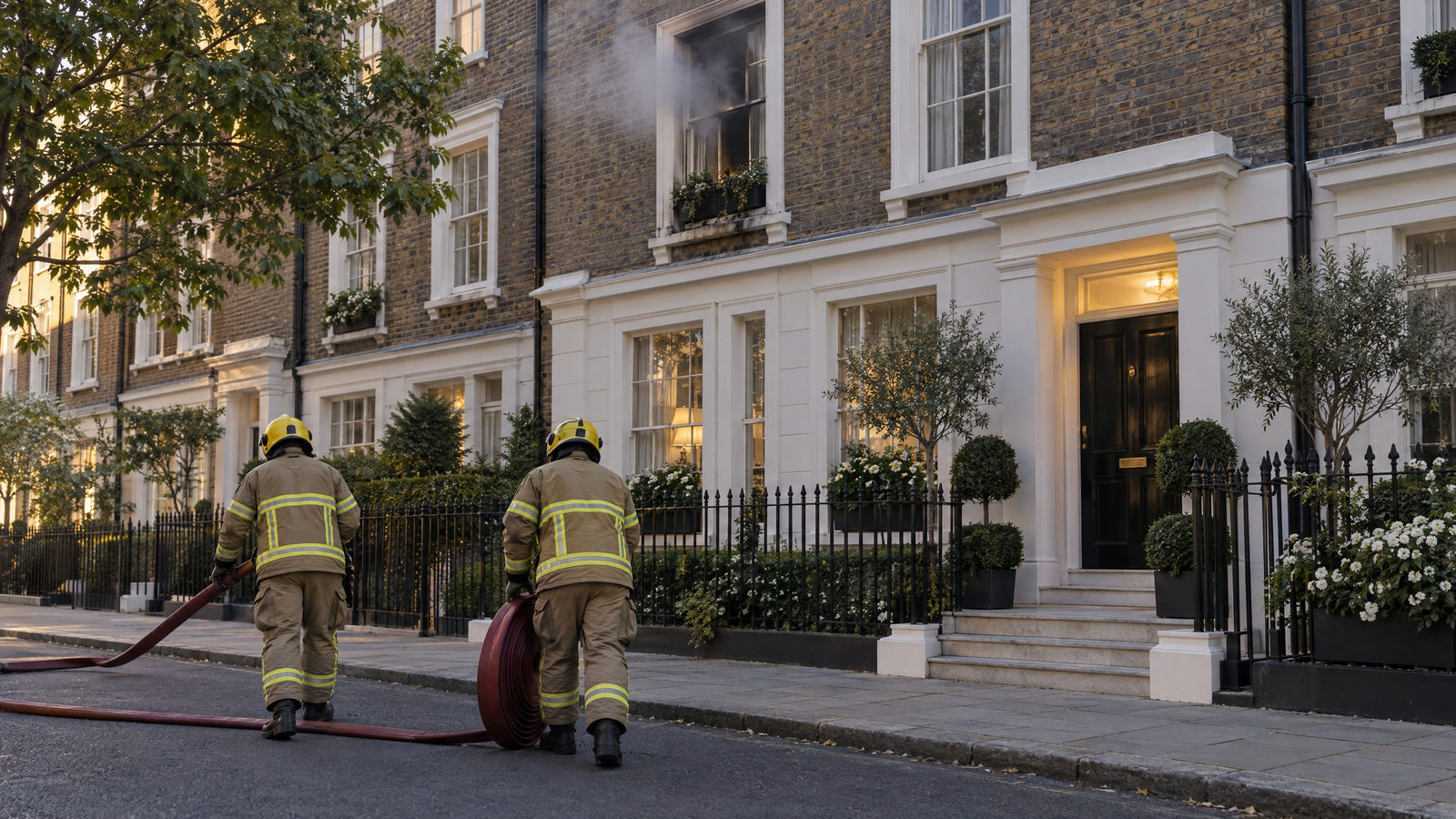
The exceptionally dry ground and low soil moisture levels are raising serious concerns regarding water supply and agriculture, with farmers facing difficult conditions. Furthermore, the parched landscape has drastically increased the risk of wildfires. Kent Fire and Rescue Service has reported attending more than 300 accidental grass fires since the beginning of May, highlighting the severe and immediate impact of the prolonged dry conditions on the environment and emergency services.
Staying Safe in the Heat
In response to the escalating temperatures, the UK Health Security Agency is advising the public to take simple but highly effective precautions. These include staying well hydrated by drinking plenty of water, avoiding direct sunlight during the hottest part of the day between 11:00 am and 3:00 pm, and taking proactive steps to keep homes as cool as possible, such as closing curtains on rooms that face the sun.
Health officials are also urging people to check on vulnerable friends, family members, or neighbours, particularly older adults and those with pre-existing health conditions who may struggle to cope with the extreme heat. Londoners have previously been urged to take precautions as the initial yellow alert came into force, and these measures are now even more critical as the situation intensifies.
With millions of motorists expected to hit UK roads for the summer getaway, travellers are strongly advised to carry plenty of water, ensure their vehicles are well-maintained, and prepare for potential delays in the sweltering heat. By taking sensible precautions and looking out for one another, the public can help mitigate the risks associated with this brief but intense period of hot weather.