
AN award-winning disabled adventurer has begun an expedition in Nepal using pioneering powered knee braces.
Jamie McAnsh, 45, and his team began the 24-day challenge to climb Sumdur Peak (5,000-metres) Lobuche East (6,119-metres) and Island Peak (6,189-metres) in the Khumbu region of northeastern Nepal at the weekend.
The team is taking on the three mountains as part of their goal to qualify to climb Everest in 2028.
Jamie had been due to attempt 7,126-metre Mount Himlung Himal in Nepal, but following a tragic avalanche at base camp in late September, the team took the decision to re-route the expedition just days before they were due to set off.
Jamie said:
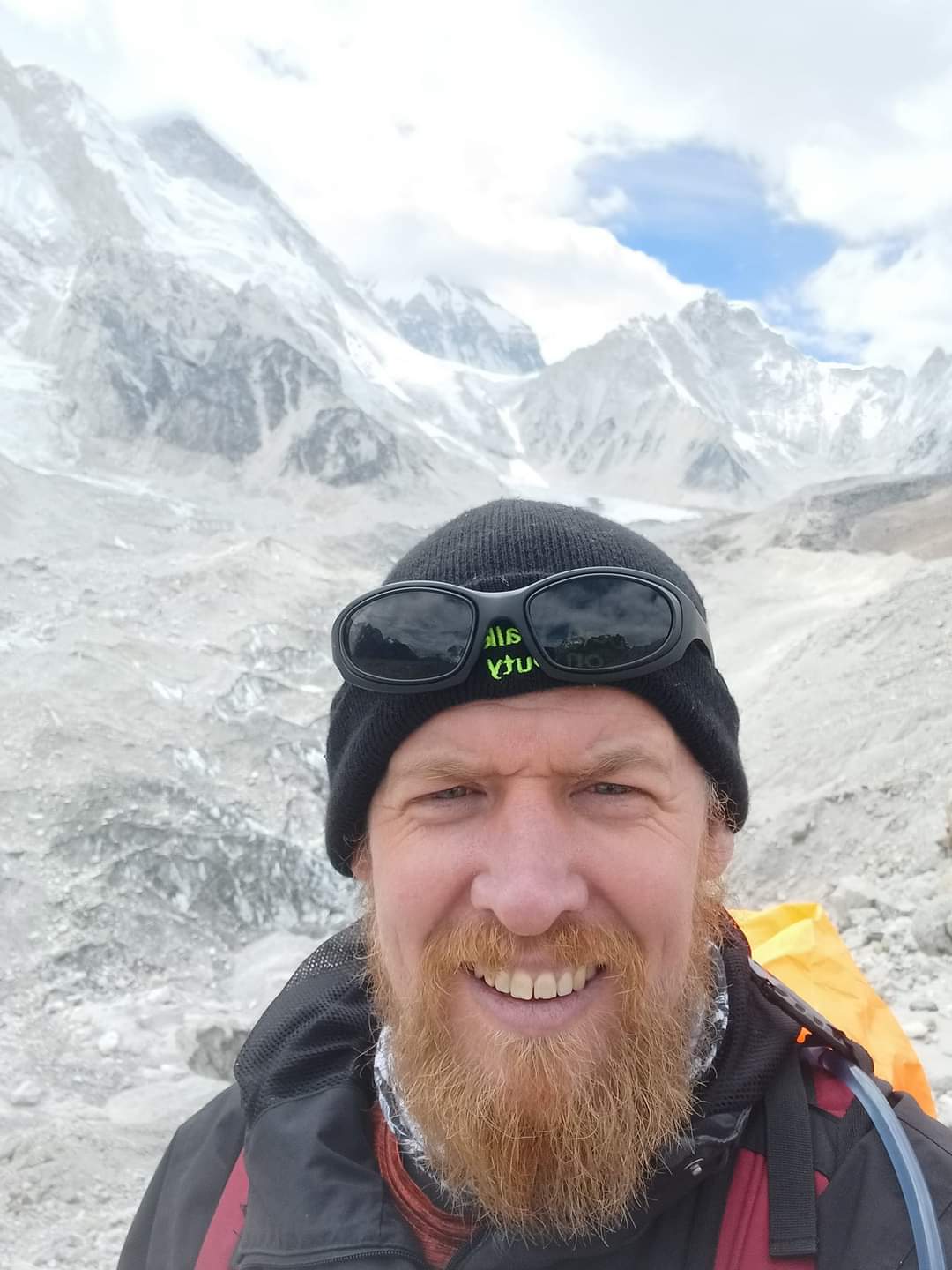
“It would not feel right to carry on towards Himlung. Our thoughts are with their families, friends and colleagues affected by the tragedy and everyone involved in the search. “We are especially mindful of the Nepali teams whose work makes expeditions like ours possible.”
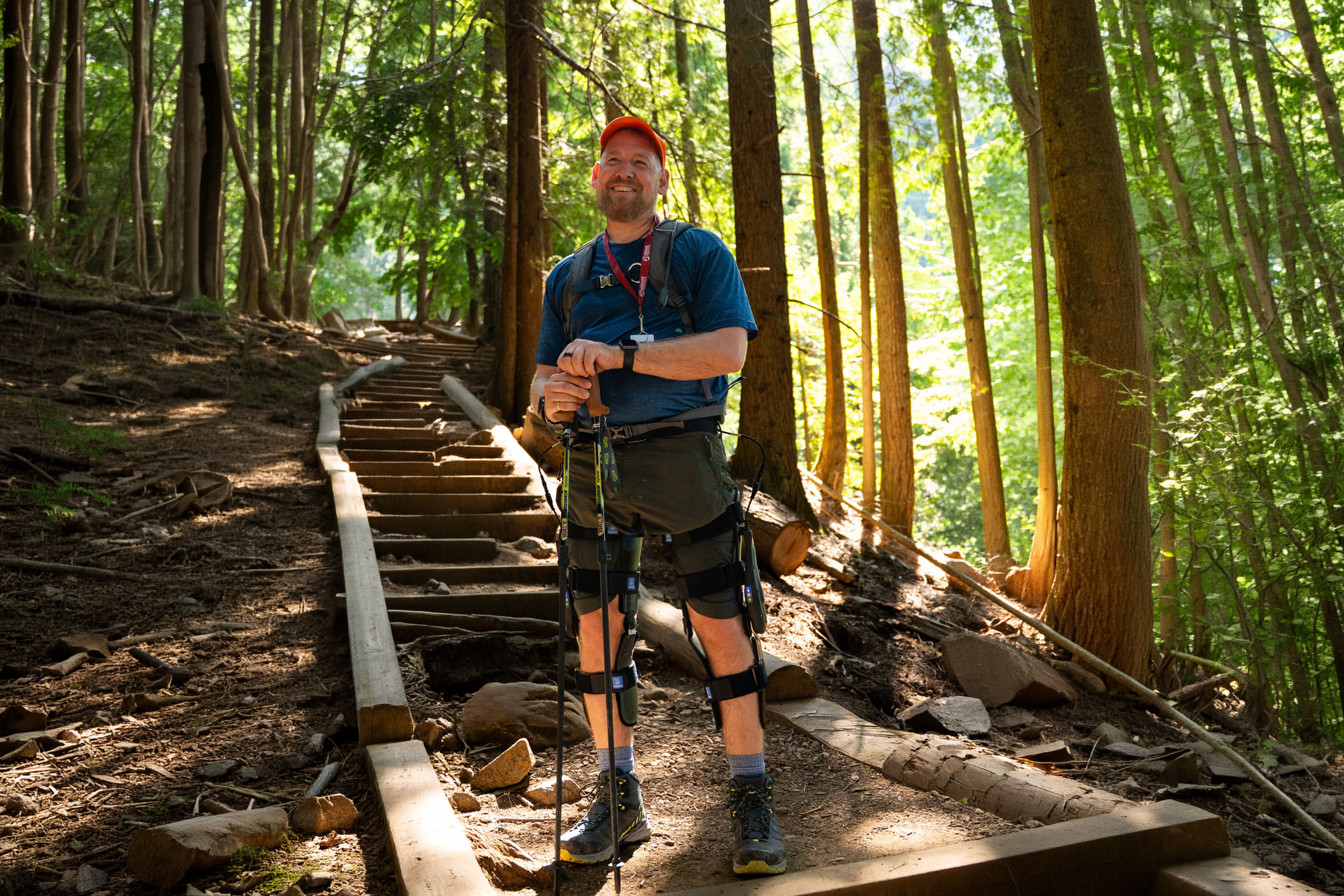
Jamie, who 12 years ago woke up paralysed from the waist down and has since learned to walk again, is using custom-made smart leg braces SpryStep Agilik KAFOs (Knee, Ankle, Foot Orthoses) developed by Canadian medical device company Bionic Power, in collaboration with orthotics specialists Thuasne, to assist his walking.
Bionic Power’s Agilik technology is designed to help people who have weakness in their legs, helping to improve gait efficiency, reduce fatigue and assist in everyday walking. It adds powered assistance, using sensors and a motor at the knee to detect his movements.
The device collects data about Jamie’s movements and can be controlled by an app or button on the side of the knee joint, where the motor sits. It detects the wearers gait in real time and provides assistance during different phases of movement.
The award-winning adaptive athlete and motivational speaker’s remarkable journey has seen him face a life-changing disability to take on some of the world’s most demanding challenges.
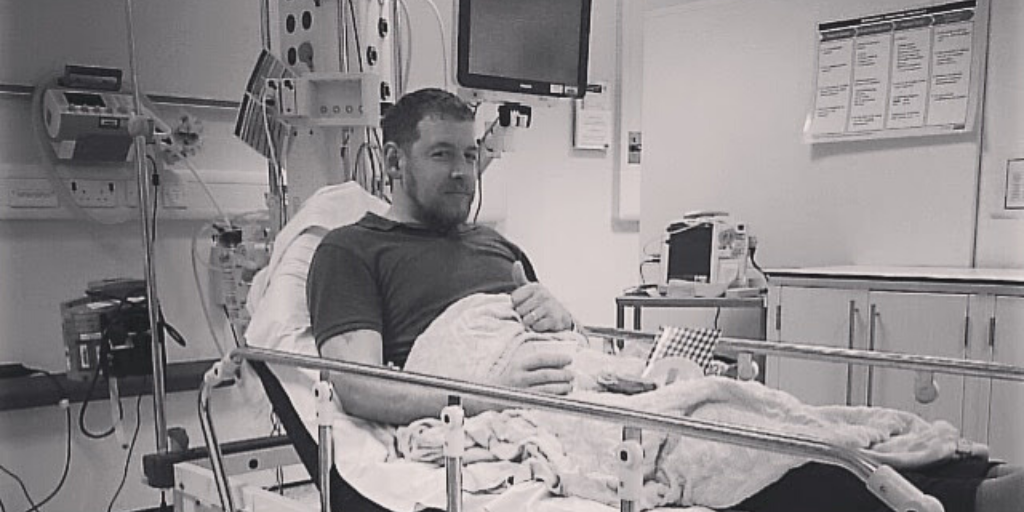
The former salesman, avid runner and motorbike enthusiast’s life was turned upside down in 2014 when he went to bed one night and woke up paralysed from the waist down following a bout of shingles.
He was diagnosed with Lower Limb Bilateral Complex Regional Pain Syndrome (CRPS) an uncommon neurological condition for which there is no cure and causes persistent and debilitating pain.
Determined not to let his severe disability affect his ambitions, Jamie battled against adversity and found relief in wheelchair sports, defying the odds to complete 12 extreme challenges in 12 months, raising £250,000 for charity and winning the Charles Holland award in the ‘against all odds’ category in 2025. He regained some mobility but relied on a wheelchair and specialist crutches to walk until 2024 when he described wearing carbon-fibre leg braces for the first time as ‘life-changing’, helping him to regain his independence.
Jamie has since learned to walk again, exceeding expectations by reaching Mount Everest Base Camp South using specialist crutches and summited Mount Kilimanjaro wearing SpryStep KAFOs.
To qualify for Everest, a childhood ambition of Jamie’s, he must first climb two major mountains of between 6,000 and 7,000 metres.
Jamie will be walking between three and nine hours a day with five battery packs to keep the device operational, adding weight and another logistical challenge to the expedition, already involving altitude, extreme terrain and unpredictable conditions. They will sleep in lodges and tented camps where he can recharge the batteries.
He admitted to pre-expedition nerves and said his biggest challenges will be the extreme cold, with temperatures dropping as low as minus 35 degrees Celsius, altitude and summit day.
“Summit day is always the hardest because it’s a longer day,” explained Jamie.
“We’ll be battling against high altitude, low oxygen and high levels of fatigue.”
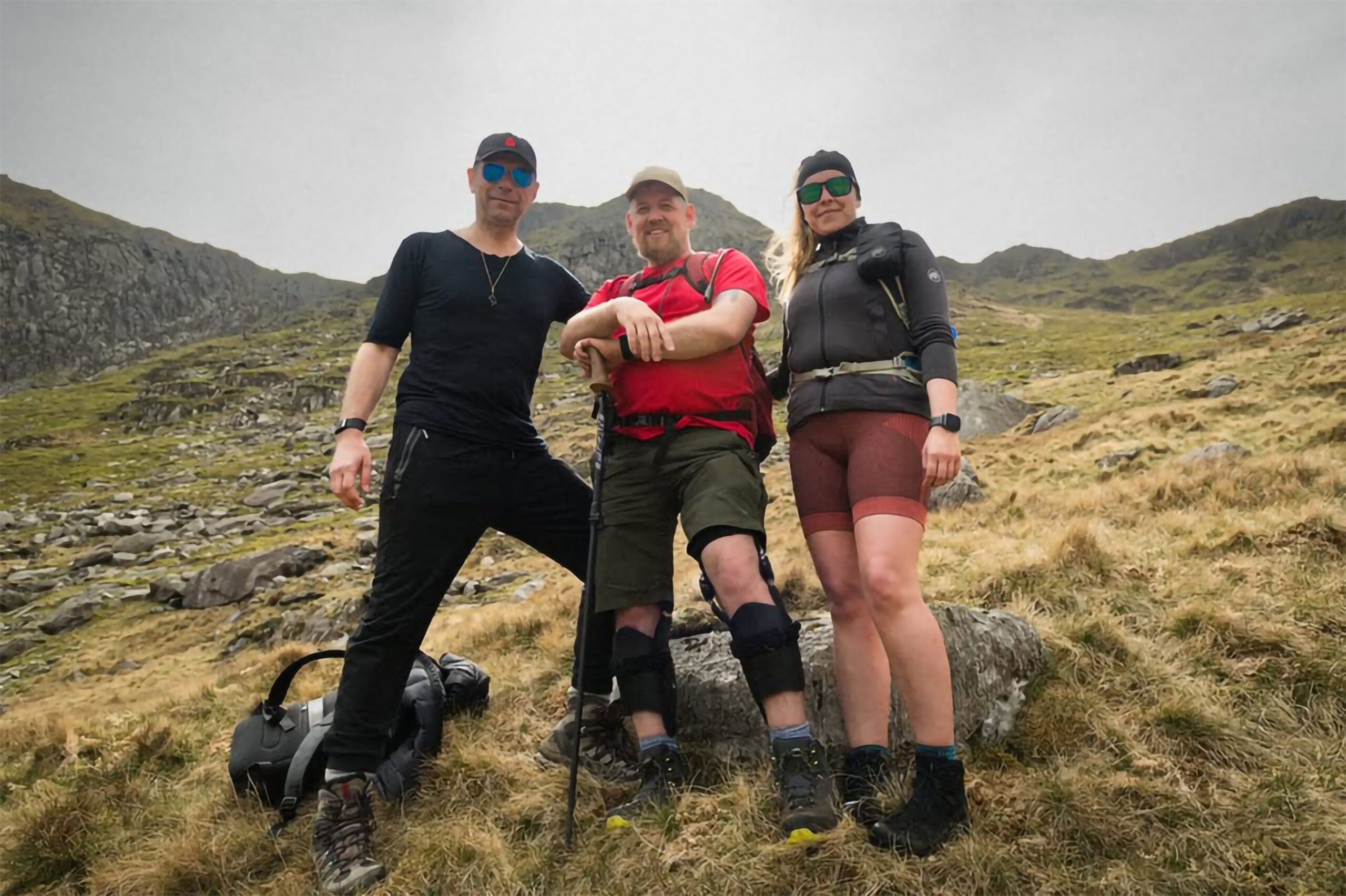
Jamie, whose motto is to always ‘Get Back Up’ is trekking as part of ‘Project Can’t’, alongside fellow adventurers Emma Forrest and Deri Llewellyn-Davies, a Welsh entrepreneur. The initiative was created to challenge perceptions around disability and adventure and to encourage people to focus on what they can do rather than what they can’t.
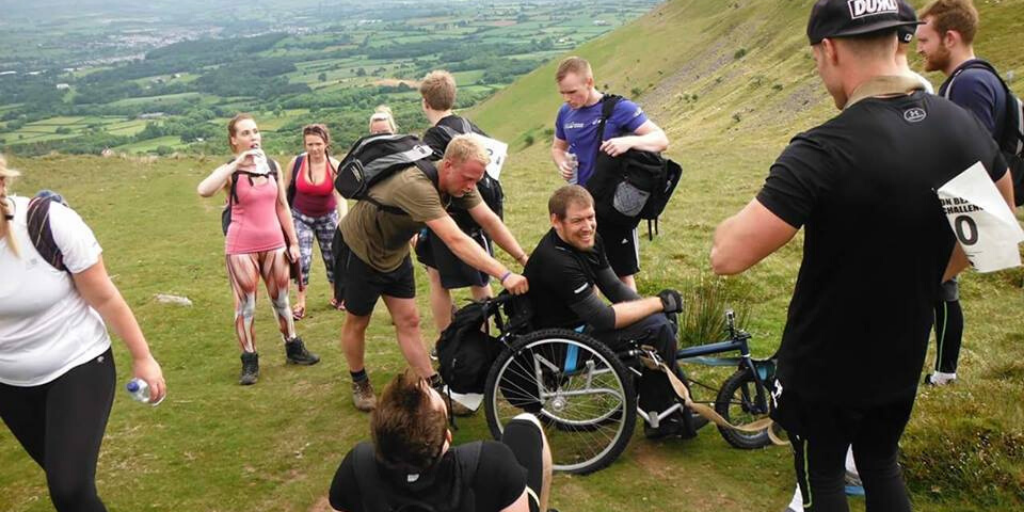
Jamie’s message throughout the project is that ‘you don’t have to climb Everest-just take the next step.’
He added:
“My goal is simple: to show the world what is possible. What if being told ‘you can’t’ stopped being the end of the story and instead became the beginning?
“Since waking up paralysed from the waist down, I’ve heard every version of the word can’t imaginable.”
“You can’t walk again. You can’t climb mountains. You can’t live the life you planned.”
“But I’ve learned that can’t is rarely the end of the story.”
“This isn’t just about climbing another mountain. It’s about finding out what is possible when you combine determination, technology and a willingness to challenge the assumptions about what disabled people can achieve.”
He added: “The real challenge is changing minds and showing that disability does not mean inability.”
The expedition began in Lukla on October 3 and is due to finish back in Lukla on October 27, 2026.
To follow their journey visit projectcant.com
For daily updates follow Jamie McAnsh on social media.