
A grant of up to US$214 million could restore malaria vaccine funding for eligible children across Africa, reversing part of a reduction in support caused by a shortfall in international financing.
Announced on 27 November, the grant from GiveWell is funded by Coefficient Giving and is intended to help Gavi, the Vaccine Alliance, sustain and expand access to malaria vaccination. Using the money to increase country vaccine budgets remains subject to approval at Gavi’s December board meeting.
If approved, the additional funding would allow support to return to a level sufficient for 85% of eligible populations in areas with moderate or high malaria transmission. Funding constraints had reduced planned support to 70% during the current strategic period, which runs from 2026 to 2030.
Funding for additional doses
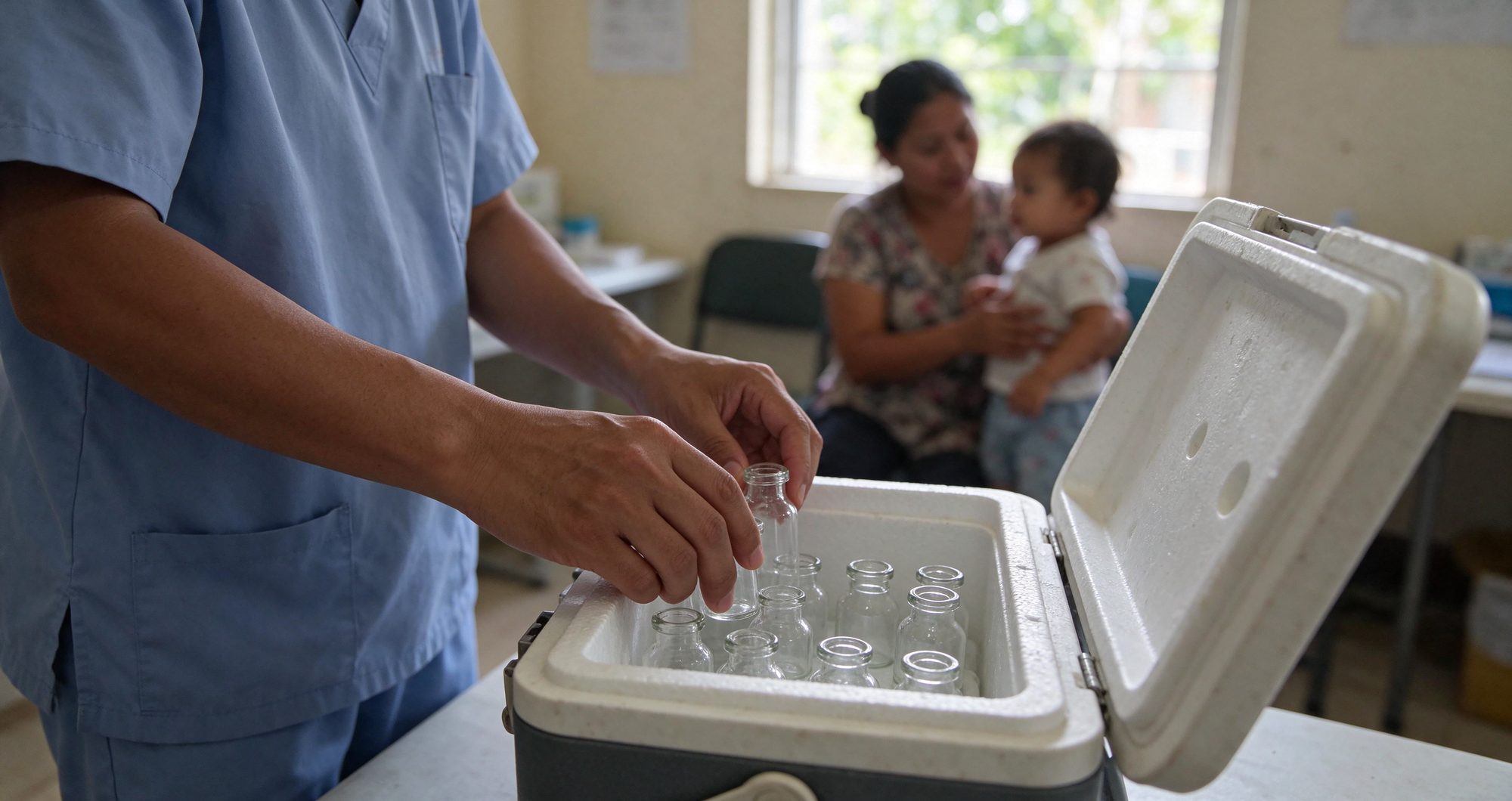
The grant is designed to cover Gavi’s share of the cost of extra malaria vaccine doses for 31 eligible African countries during 2027–2030. It would help countries that had already expanded their programmes avoid reducing their scale, while allowing others to introduce vaccination or extend it into more areas.
The funding percentages describe the scale of vaccine support, not the proportion of children who have already received all their doses. Actual vaccination coverage depends on national programme decisions and the ability of health services to deliver the injections.
Two countries have a different proposed ceiling. Sierra Leone and the Central African Republic would receive support up to 100%, maintaining programmes that were already operating above the usual 85% level before the lower cap was introduced.
National governments would continue to pay their normal share of vaccine costs alongside Gavi. The grant does not pay for the routine immunisation systems that administer vaccines to children, so procurement funding and the resources needed to deliver doses remain separate parts of the programme.
The additional money would enter countries’ discretionary vaccine budgets. Governments retain choices over which eligible vaccines to support from those budgets, rather than being required to allocate the entire increase to malaria vaccination.
Where countries use the extra budget for additional malaria vaccine doses, those costs would be paid from the grant. Any increase directed towards other vaccines would be met from Gavi’s own unallocated resources. Countries are currently making their final decisions about programme scale and design for the period ahead.
Completing the vaccination course
Malaria vaccination is now included in routine immunisation in 25 African countries, following the first introductions in 2024. Together, those countries account for more than 70% of the global malaria burden. The number already using the vaccines is distinct from the 31 countries eligible for support under the grant.
Coverage figures from countries with at least a year of rollout experience by the end of 2025 show an average of 80% for the first dose and 70% for three doses in areas implementing vaccination. Those figures do not describe coverage across all of Africa, and receiving three doses is not the same as completing the four-dose course.
Consistent delivery of all four doses remains a challenge. The wider programme has a goal of fully protecting 50 million children between 2026 and 2030, but that is a target rather than a result already achieved by the new funding.
Vaccination is being delivered alongside other malaria prevention and control measures. Work on vaccine affordability and adequate supply also continues, while domestic financing remains important because governments co-finance doses and operate the services that reach children.
The grant therefore addresses a specific purchasing gap rather than every barrier to vaccination. Its effect on the scale of support will depend first on board approval, then on countries’ budget choices and the delivery of complete courses.