
Farms in Wales will have more options for meeting Sustainable Farming Scheme requirements in 2027, alongside wider access to a £1,000 stability payment and changes to land eligibility and record-keeping.
The measures announced on 27 November cover the scheme’s Universal Layer, including habitat creation, hedgerow management and administrative requirements. Core payment rates will remain at their 2026 levels, while several conditions will become more flexible. Full guidance for the 2027 scheme year is due in mid-December.
Payments and smaller farms
The £1,000 stability payment will be available to all eligible Universal Layer farm businesses with 100 hectares or less of eligible land, including common land. It will cover both existing participants and eligible farms joining in 2027.
The whole-farm payment remains £70 per hectare for the first 70 hectares, then £2 per hectare beyond that threshold. Habitat maintenance will continue at £69 per hectare and woodland maintenance at £62 per hectare. The social value payment remains £107 per eligible hectare. Payment capping will continue where specified thresholds are exceeded.
The combined 2027 budget for the Universal Layer and the legacy Basic Payment Scheme is £238 million, with £102 million for the Optional and Collaborative Layers. Farms remaining in the Basic Payment Scheme will receive payments based on 40 per cent of their entitlement value against the 2025 baseline.
Habitat and hedgerow options
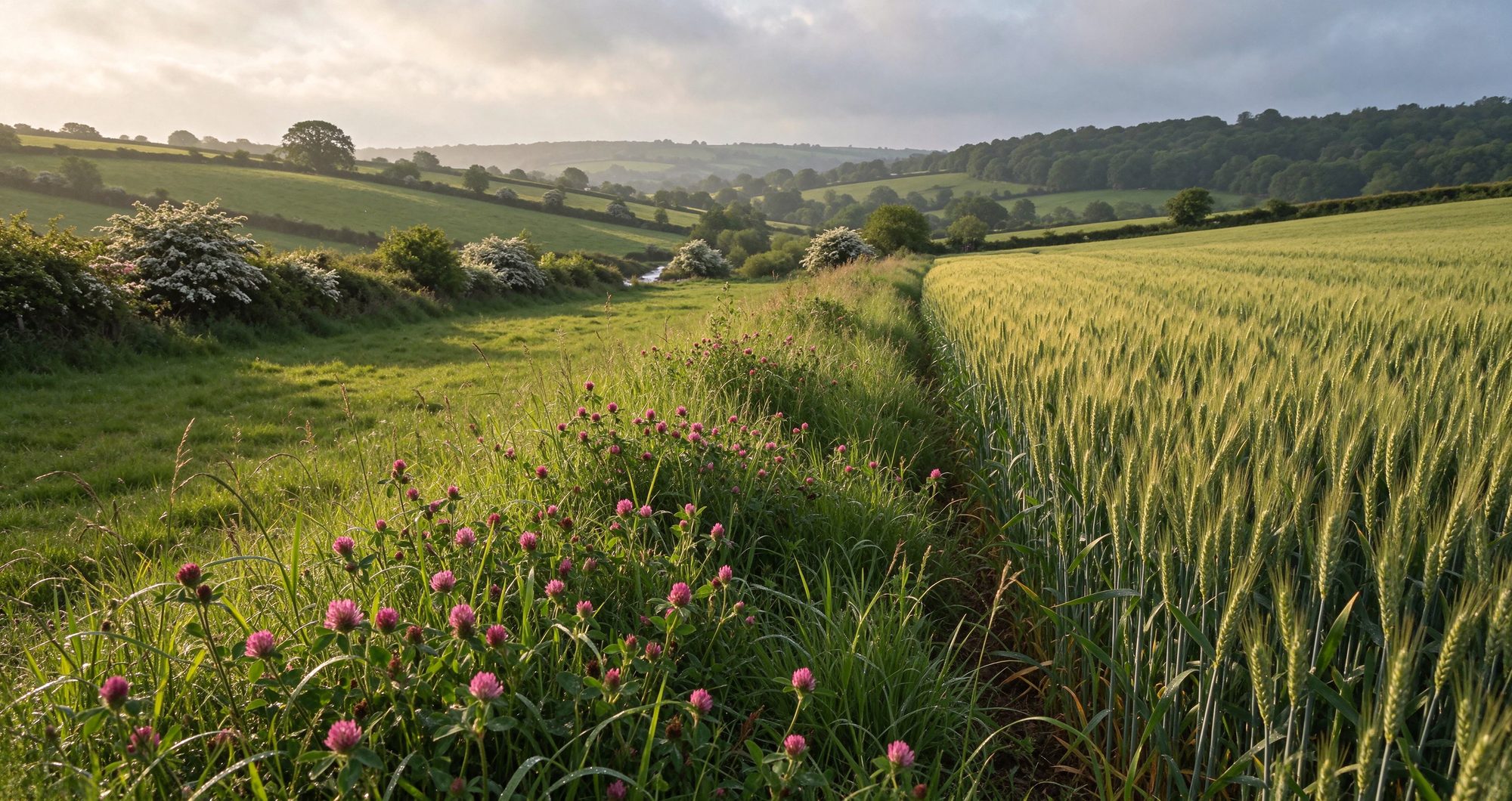
Two temporary habitat options are being added for farms that lack enough existing habitat to meet the scheme’s 10 per cent requirement. One is unsprayed spring cereal undersown with a mixed ley. The other combines red clover with a wildlife crop area.
The existing wildlife cover crop option will remain, but its establishment deadline moves from 15 May to 15 July. The additional choices change how qualifying farms can meet the habitat requirement; they do not remove the requirement itself.
A transitional arrangement will also apply to farms that entered the Universal Layer in 2026 and cut all their hedges that year. They will be able to cut half of those same hedges in 2027 while establishing a two-yearly cutting pattern. The wider hedgerow management requirements remain unchanged.
Land eligibility and paperwork
The usual requirement is for a claimant to have management control of land for at least ten months of the calendar year. An exemption introduced in 2026 for qualifying Farm Business Tenancies of at least three years will become permanent. It applies where the tenancy is entered into before 15 May and will extend to land purchases completed by 15 May.
Land included through the exemption must still meet scheme requirements and the applicable Universal Actions. It will also remain subject to inspection if the farm is selected. The eligibility change therefore does not remove the claimant’s responsibilities for that land.
Mandatory activity diaries will be removed for most habitat types maintained or created under Universal Actions 5 and 6. A stocking diary will still be required for Open Upland habitat under Universal Action 5. Keeping records for other habitats will remain recommended good practice.
More information will be automatically filled into the scheme dashboard to reduce manual entry. Soil testing results will not be collected in 2027, with a more efficient collection process to be explored ahead of 2028. This change concerns reporting results rather than abolishing the underlying soil-testing action.
Health and safety learning choices will widen, but the learning requirement remains. First-time applicants must complete a designated eLearning module in 2027. Second-year applicants will have wider options, including suitable learning outside those modules.
A concise Universal Actions guide is planned alongside the Single Application Form window opening in March, in addition to the detailed guidance due in December. Ahead of summer 2027, monitoring of extreme weather will become more proactive so that regional or national temporary easements can be considered where needed.