
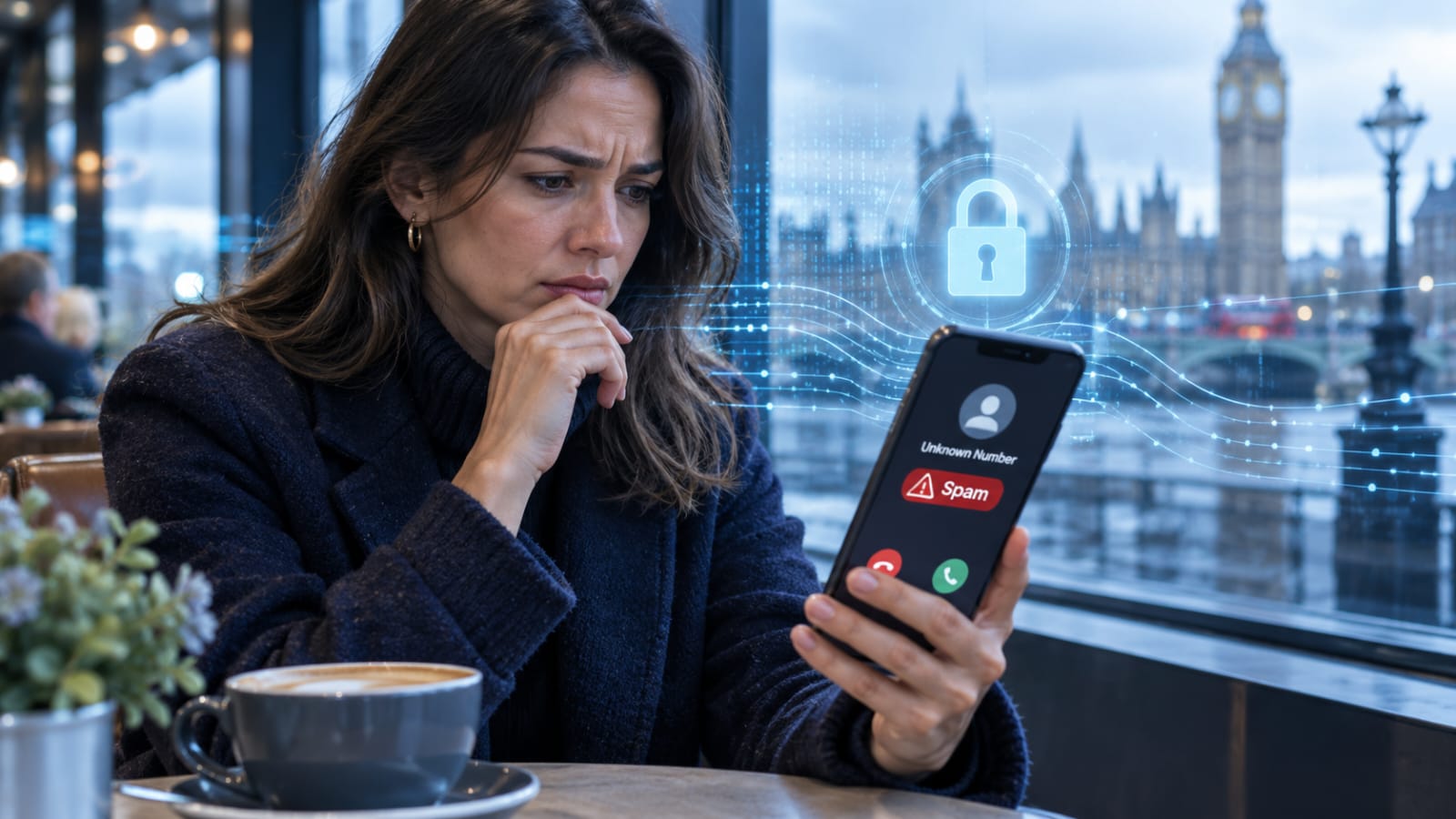

When your phone number is shared online, it rarely stays where you posted it: it gets copied into data broker profiles, scraped into marketing and spam lists, and eventually reaches people who want to call or text you with a scam. In the US, the Federal Trade Commission’s 2025 fraud data, presented in FTC testimony to Congress’s Joint Economic Committee, shows that text messages were the most common way scammers first reached people whenever victims could name the contact method.
That makes a phone number far more sensitive than most people assume. It sits on CVs, marketplace listings, social profiles, and dozens of sign-up forms, often for years.
Once a number is public, it can’t be fully pulled back, though the damage it causes is largely within your control. This guide explains where an exposed number travels, the specific risks that follow, the warning signs to watch for, and the steps that limit the fallout.
Where Your Phone Number Travels After It Appears Online
A number posted in one place rarely stays there. Automated tools copy, combine, and resell contact details within days, and each copy is another place where a stranger can find it.
The most common routes look like this:
- Web scrapers that collect numbers from social profiles, forums, business listings, and classified ads
- Data brokers that link your number to your name, home address, relatives, and age, then sell that profile
- Data breaches at retailers, apps, or service providers that leak customer records onto hacker forums
- Marketing lists built from competition entries, loyalty schemes, and “free” app sign-ups
The linking step is what turns a harmless number into a real risk. A digit string alone tells a scammer little, but paired with your name and the bank you use, it becomes the script for a convincing phone call.
The same lookup logic also works in your favour. When an unfamiliar number starts calling after a leak, a call number finder can show who is behind it and whether other people have reported it as spam. Checking a number before you answer or call back is one of the easiest ways to stay ahead of whoever found yours.
6 Risks That Follow a Publicly Shared Phone Number
Some of these risks are merely annoying. Others can cost real money or put your physical safety at stake, which is why it helps to know each one by name.
1. A Sudden Surge in Spam Calls and Robocalls
The first sign of exposure is usually volume. Numbers that land on a calling list get dialled by auto-dialers that test whether a line is active.
Answering, or pressing a key to “opt out,” often confirms your number is live, which can make it more valuable on the next list it gets sold to.
2. Smishing Texts That Sound Uncomfortably Personal
Smishing is phishing by text message. A leaked number linked to your name lets scammers write messages like “Hi Anna, your parcel is held at customs” instead of a generic blast.
That personal touch is the whole point. People trust messages that use their real name, so these texts get far more clicks on fake payment or login pages.
3. SIM Swap Attacks That Hijack Your Number
In a SIM swap, a criminal convinces or bribes a mobile carrier to move your number onto a SIM card they control. Your calls and texts then go to their phone.
The FBI’s Internet Crime Complaint Centre logged 982 SIM swap complaints in 2024 alone. The reported count looks small, but each successful swap can unlock bank, email, and crypto accounts at once, and many victims file the loss under a different fraud category. The UK picture is similar: fraud prevention service Cifas has reported a more than tenfold jump in unauthorised SIM swap cases between 2023 and 2024.
4. Account Takeovers Through Password Reset Codes
Many services use your phone number to send login and reset codes. Anyone who controls your number, or tricks you into reading a code aloud, can reset your passwords.
A common trick is a call from someone posing as your bank’s fraud team who asks you to “confirm” a code. No real bank or app will ever ask you to read a verification code back to them.
5. Doxxing and Real-World Harassment
A number tied to your address and workplace makes it easy for an angry stranger to find you offline. This risk hits hardest for people who post publicly, sell items online, or work in visible roles.
6. Impersonation Scams Built From Your Profile
Scammers use the details attached to your number to impersonate you to others, or to impersonate others to you. A classic version targets parents with a text from “a new number” claiming to be their child.
| Risk | What the attacker needs | Typical warning sign |
|---|---|---|
| Spam calls and robocalls | Your number alone | Many calls from unknown or local-looking numbers |
| Smishing texts | Number plus your name | Texts that use your name and push a link |
| SIM swap | Number plus personal details for carrier verification | Phone suddenly shows “No service” |
| Account takeover | Access to your codes or number | Unrequested login or reset codes |
| Doxxing and harassment | Number linked to your address | Contact from strangers who know where you live |
| Impersonation scams | Number plus family or work details | Relatives receive messages “from you” |
Warning Signs That Your Number Has Been Exposed
Exposure rarely comes with an announcement. A change in the pattern of calls and texts you receive is usually the earliest clue.
Watch for these signals:
- A noticeable jump in spam calls, especially from numbers that share your area code
- Texts that greet you by name from senders you don’t know
- Verification codes you never requested from banks, email providers, or apps
- Friends or relatives saying they got strange messages “from you”
- Your number appearing on people-search sites when you search your own name
- A breach notification email from a service you signed up for
A single odd call means little. Several of these signs within a few weeks suggest your number is circulating, and that is the moment to act.
Steps to Limit the Damage After Your Number Leaks
Changing your number is the nuclear option, and most people never need it. A handful of focused steps protect the accounts that matter and cut down the noise. Work through them in this order:
- Lock your mobile account. Ask your carrier to add a PIN or port-out lock so nobody can move your number without it.
- Move important accounts off SMS codes. Switch banking, email, and crypto logins to an authenticator app or security key where possible.
- Turn on caller ID and spam blocking. Automatic filtering stops known scam numbers and labels suspicious ones before you answer. In the UK, suspicious texts can also be forwarded free to 7726 so networks can block the sender.
- Request removal from people-search sites. Most data brokers offer an opt-out form, though listings can reappear and need rechecking.
- Tighten your social profiles. Hide your number from public view and remove it from old listings and bios.
- Warn close family. Tell them you will never ask for money or codes by text from a new number.
The first two steps protect your money. The rest reduce how often you are targeted at all.
| Action | Main protection | Effort |
|---|---|---|
| Carrier PIN or port-out lock | Blocks SIM swaps | One call or app setting |
| Authenticator app for logins | Stops code-based takeovers | 10-20 minutes per key account |
| Caller ID with spam blocking | Filters scam calls and texts | A few minutes to install |
| Data broker opt-outs | Shrinks your public profile | Ongoing, every few months |
| Private social profiles | Cuts off new scraping | One-time review |
Your Phone Number Is Now a Key to Your Digital Identity
The real danger of a shared phone number comes from what it unlocks: password resets, bank verification, and the trust of the people who know you. Treating it with the same care as a password changes how you share it and how you protect it.
An exposed number does not have to lead to a loss. A carrier lock, app-based login codes, and reliable caller identification close the most dangerous doors within an afternoon.
From there, small habits do the rest. Share your number only where it is truly needed, check unfamiliar callers before engaging, and revisit your privacy settings a few times a year.
Frequently Asked Questions
What can someone do with just my phone number?
With your number alone, someone can call or text you, add you to spam lists, and look you up on people-search sites. Combined with your name and other details, it can support smishing, impersonation, and SIM swap attempts.
How can I find out if my phone number has been leaked?
Search your name and number on people-search sites, and check breach notification services that cover phone numbers. A sudden rise in spam, unrequested verification codes, or texts that use your name are also strong signs.
Should I change my phone number if it was posted online?
Most people don’t need to. Locking your carrier account, moving logins to an authenticator app, and using spam blocking handle the main risks; a new number makes sense mainly in cases of harassment or ongoing targeted attacks.
How do I remove my phone number from the internet?
Start with data broker opt-out forms, then remove your number from social profiles, old listings, and online directories. Full removal is rarely possible, so plan to recheck every few months.
Can someone hack my phone with just my number?
Taking over the phone itself from a number alone is very unlikely. The realistic threats are SIM swaps and tricks that get you to share a code or click a malicious link, which is why a carrier PIN and caution with unexpected messages matter most.







