
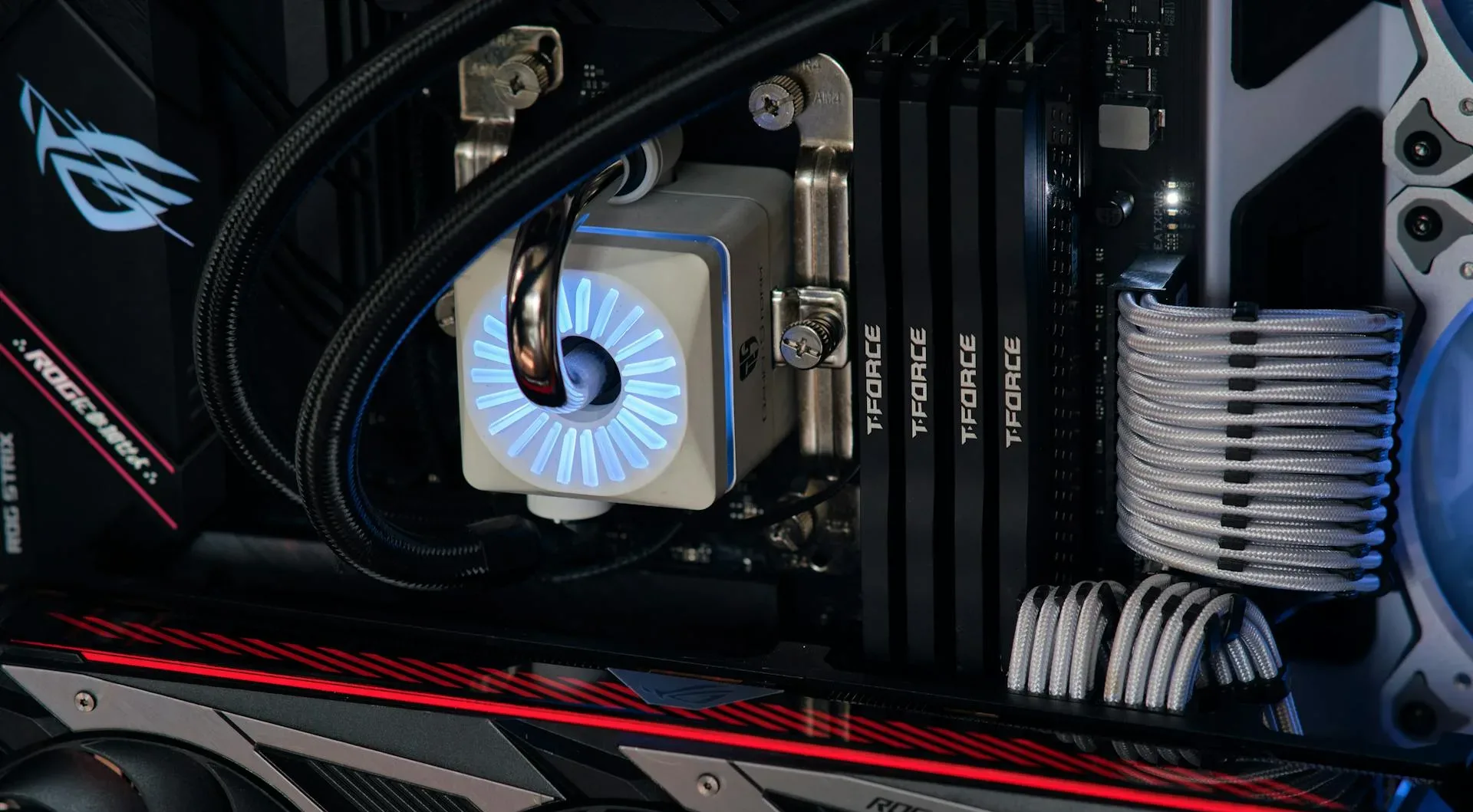

As technology advances, one often overlooked yet vital component powers forward—heat sinks. These devices, responsible for cooling the hottest parts of electronic systems, are integral to the efficiency and longevity of countless devices, from powerful gaming computers to electric vehicles. As the demands for speed, power, and miniaturisation rise, heat sinks have evolved, adapting to meet the needs of the latest technologies.
What Exactly is a Heat Sink?
At its core, a heat sink is a simple yet essential tool: it pulls heat away from key components, preventing them from overheating and failing. Typically made from metals with high thermal conductivity, like aluminium and copper, heat sinks are designed to maximise surface area, which allows for better heat dissipation. Through both conduction and convection, heat sinks draw heat away from processors, batteries, and other critical parts, releasing it safely into the surrounding air. This ensures that devices can run smoothly, even under heavy workloads.
Materials Make the Difference
Today, materials play a key role in defining the performance and application of heat sinks. Here’s a closer look at the most popular options:
- Aluminium Heat Sinks: Known for their lightweight durability, aluminium heat sinks are the go-to choice for devices where weight and cost are factors. With good thermal conductivity and easy manufacturability, they are commonly found in laptops, LED lighting, and handheld electronics.
- Copper Heat Sinks: Offering superior heat conductivity, copper heat sinks are a top choice for applications requiring efficient, rapid cooling. Though heavier and more costly, copper heat sinks excel in high-performance environments like advanced CPUs and GPUs, where heat buildup is a constant challenge. Learn more about copper heat sinks.
- Hybrid Heat Sinks: To combine the benefits of both materials, manufacturers often use hybrid designs, blending copper and aluminum in one unit. These high-efficiency heat sinks leverage copper for heat conduction and aluminium for dispersion, creating a balance between performance and weight, especially beneficial in high-end gaming systems and professional workstations.
Applications Beyond Electronics
While heat sinks are essential for keeping electronics cool, their applications extend well beyond computers and phones. In the automotive industry, for instance, heat sinks play a critical role in electric vehicle (EV) battery management, maintaining safe temperatures and extending battery life. With the demand for EVs growing rapidly, the need for advanced heat sinks will only continue to rise.
Renewable energy systems also rely heavily on heat sink technology. Solar inverters and wind turbine controllers generate considerable heat as they convert and manage power, and without proper heat sinks, their efficiency would decline. As more green energy projects take shape, heat sink manufacturers like Richconn are innovating to meet these unique demands, crafting solutions that offer durability and reliability under constant high load.
Innovations in Design and Future Trends
Heat sinks have come a long way from their basic beginnings. Today’s heat sinks are engineered with intricate designs, from pin fins to vapour chambers, that maximise airflow and cooling efficiency. And with materials science advancing, we’re beginning to see the use of graphene and other composite materials that promise even higher heat conductivity, lighter weight, and improved sustainability.
Liquid cooling heat sinks are another area of rapid development. While traditionally used in gaming systems and data centres, liquid cooling is moving into other sectors where conventional air-cooled heat sinks fall short. Liquid-cooled heat sinks effectively manage high heat loads in compact spaces, proving essential for advanced applications in electric vehicle charging stations and industrial machinery.
The Unseen Heroes of Technology
In a world increasingly powered by complex electronic systems, heat sinks remain unsung heroes, quietly ensuring everything runs smoothly. The high-performance heat sink industry continues to grow, fuelled by the demands of cutting-edge technology in consumer electronics, automotive, energy, and beyond. From affordable aluminium options to premium copper solutions and advanced hybrids, companies like Richconn are shaping the future of thermal management technology.
As innovation propels us forward, so too does the humble heat sink, a silent but powerful component in the technology we rely on daily.







