

Heat is now a measurable cost for London employers. The Heat Ready London Technical Report, commissioned by the Mayor of London and London Councils and published in August, estimates that lost productivity linked to high temperatures costs the capital £577 million a year. It puts the cost of London’s three heatwaves in 2022 at £1.5 billion, with almost 90 per cent of that coming from lost productivity.
The law gives employers no upper limit to work to. The Health and Safety Executive says there is no maximum temperature for workplaces. Employers must still provide a reasonable indoor temperature, and heat is classed as a hazard that carries the same legal obligations as any other.
For many firms, the answer is to fit cooling, but choosing the equipment is the last step. Before you ask for quotes for office air conditioning in London, there are five things to check.
Does the installation need planning permission?
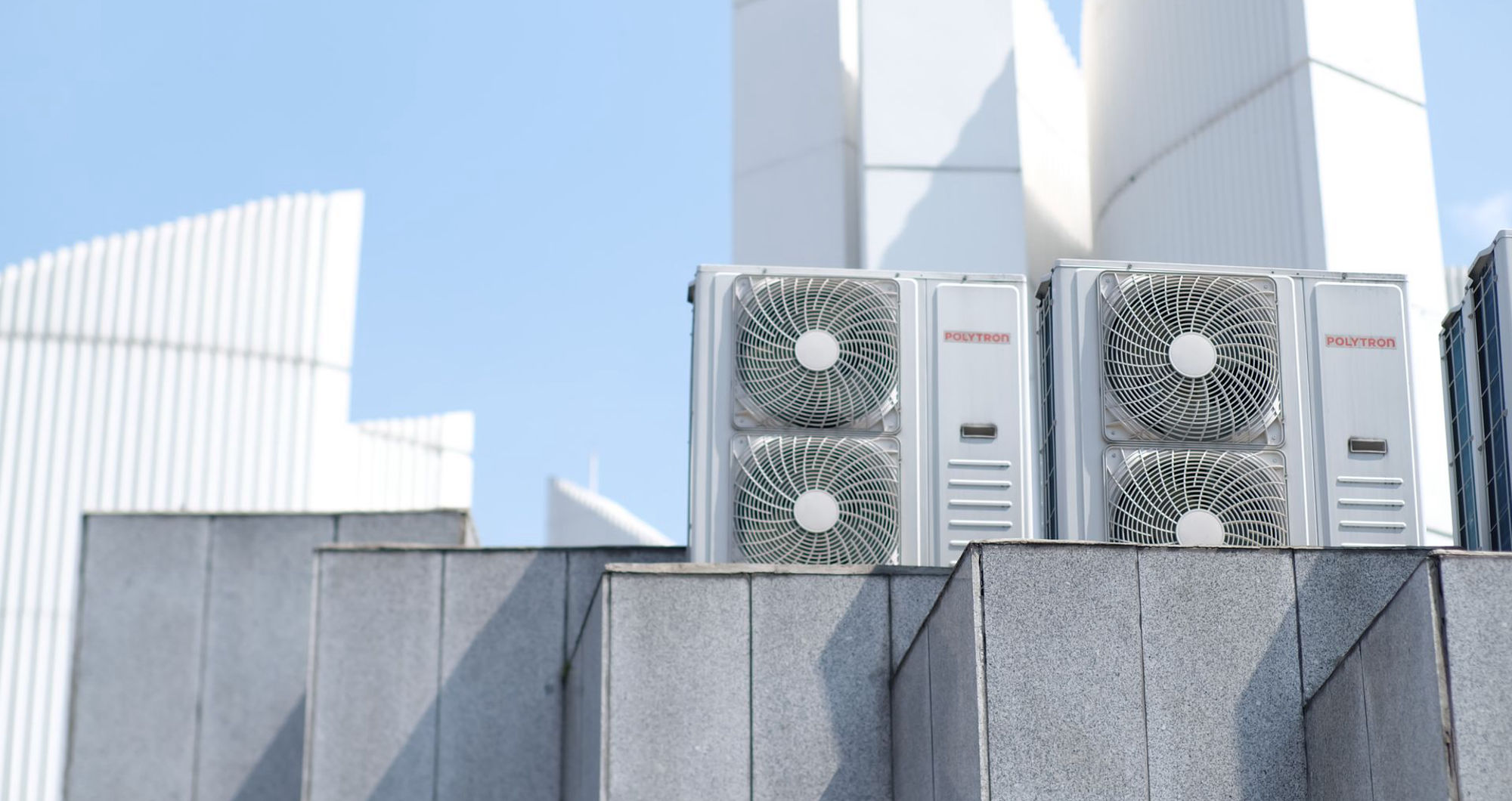
Planning permission is needed for building work that materially affects the outside of a building. Interior alterations are generally not treated as development, according to the government’s planning guidance. An air conditioning system involves both: indoor units in the office, and an outdoor unit on a wall, on the roof or at ground level. The outdoor unit is where the planning question arises.
Each council sets out its own position. Islington Council, for example, tells businesses that very small external equipment may not need permission if it does not materially change the appearance of the property, but that full planning permission is needed where the equipment will be fixed to the outside.
Ask before you order. GOV.UK advises contacting your local planning authority to find out whether a project needs planning permission. If you go ahead without the permission you need, the council can serve an enforcement notice ordering you to undo the work, and it is illegal to ignore one.
What does your lease allow?
If you rent your office, read the alterations clause in the lease before you do anything else. It should answer three questions:
- Does the lease allow alterations with the landlord’s consent, or ban them outright?
- Is the roof, wall, or yard where the outdoor unit would sit part of what you lease? If it is not, you will need the landlord’s agreement to use it.
- Will you have to remove the system when the lease ends?
Where a lease allows improvements with the landlord’s consent, the Landlord and Tenant Act 1927 says that consent is not to be unreasonably withheld. The landlord can still ask you to pay its legal and other costs. Where the improvement adds nothing to the letting value, it can also ask for an undertaking to put the premises back as they were.
Lease wording varies, so ask your solicitor to read the clause before you commit to an installer, and get the landlord’s consent in writing before work starts.
Is the building listed or in a conservation area?
Listed buildings have their own consent system. Historic England says you must apply for listed building consent to alter a listed building in a way that affects its character or appearance. Carrying out unauthorised works is a criminal offence, and individuals can be prosecuted.
This is not only about the outside. Islington’s guidance says equipment fixed to the internal or external walls of a listed building may need listed building consent. Historic England advises checking with the council’s conservation officer first.
Conservation areas bring extra planning guidance from the council, so ask about it before you settle on a position for the outdoor unit.
How much noise will the outdoor unit make?
Outdoor units make noise, and the people most likely to hear it are your neighbours. That can become your problem in two ways.
The first is at the planning stage. Camden’s planning guidance on amenity says an acoustic report should accompany an application that proposes air conditioning equipment, together with the system’s technical specifications. It refers applicants to British Standard BS 4142. Ask your installer for the sound data for the proposed units early, because the council may want to see it.
The second is after installation. Councils must look into complaints about noise that could be a statutory nuisance. Where they find one, they must serve an abatement notice requiring whoever is responsible to stop or restrict the noise.
Who is responsible once the system is running?
The legal duties do not end when the installer leaves. Many air conditioning systems contain fluorinated gas, known as F-gas, and that brings rules for the installer and for you.
- The installer. A company that installs equipment containing F-gas for other people needs an F-gas company certificate from an approved body such as Refcom. Ask to see it.
- Leak checks. The user of the equipment is responsible for having it checked for leaks. Systems holding F-gas equivalent to 5 tonnes of carbon dioxide or more need a check at least every 12 months.
- Energy inspections. In England and Wales, a system with an effective rated output of more than 12kW must be inspected by an accredited energy assessor, with no more than five years between inspections. Smaller units in one building under one person’s control count together.
If you arrange regular air conditioning servicing, ask whether the leak checks are included.
Ask the installer to confirm in writing the refrigerant and charge of each system and the total rated output. Those figures tell you which duties apply.
How long should you allow?
GOV.UK says most planning applications are decided within 8 weeks. The landlord’s consent, and listed building consent where it applies, take time of their own. These decisions sit with the council and the landlord, not the installer, so start well before you need the cooling.
A sensible order is to read the lease first, then speak to the council, then ask installers for sound data and quotes. A business that works through those steps in that order knows what it is allowed to install before it pays for it.
Feature image by Pexels







