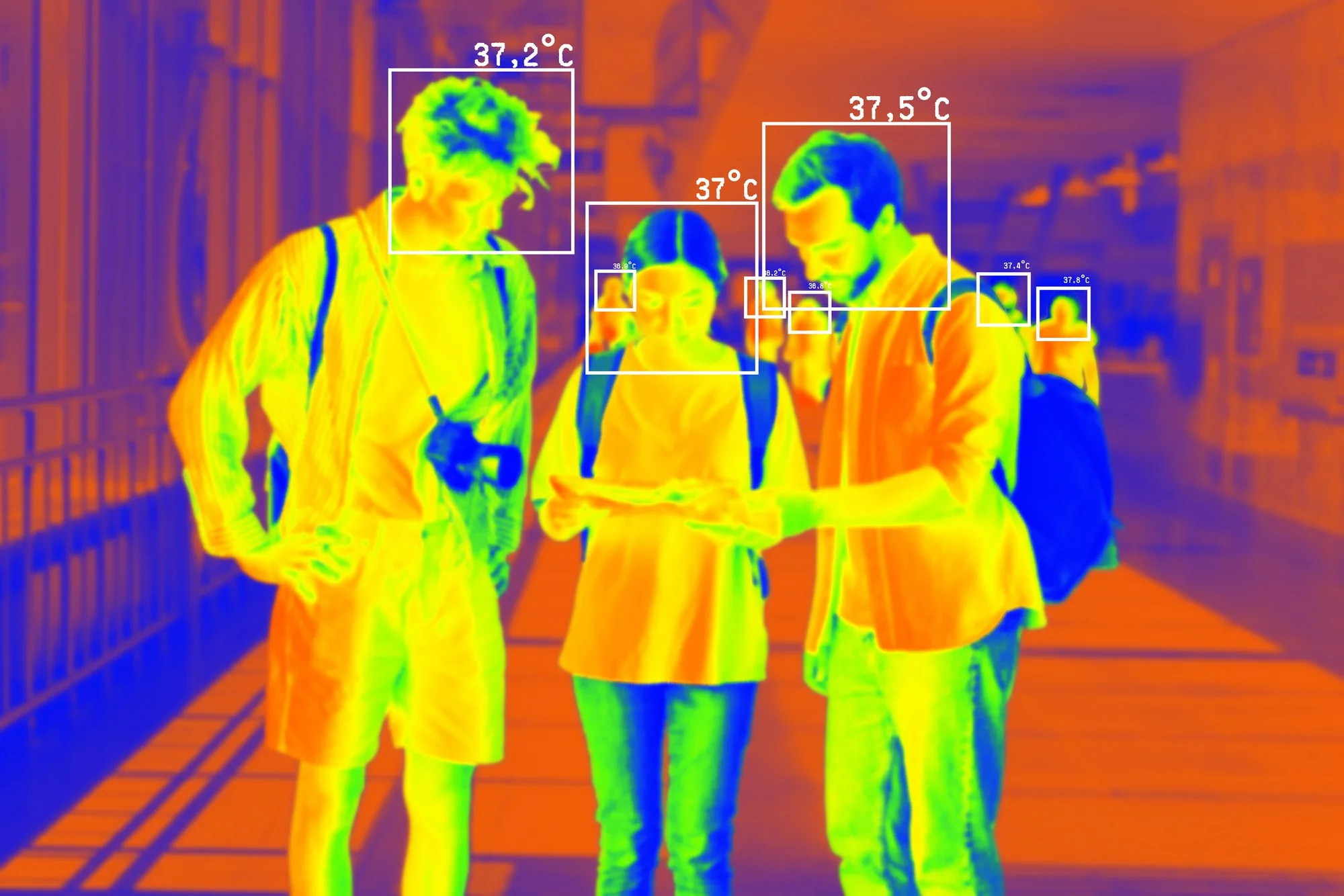

Thermal imaging cameras are very important today, and they are used in checking out industries, medical diagnostics, and wildlife, among others. They allow users to learn about temperature differences and view thermal patterns for easier identification of heat leaks, electrical faults, and even human body temperatures. However, that will come at the cost of choosing an appropriate thermal imaging camera with some in-depth understanding of some major features to ensure it really does the trick. Here’s a step-by-step guide on what to look for when selecting a thermal imaging camera to ensure the camera gives you high-quality results and is appropriate for your applications.
Resolution and Image Quality
Resolution and image quality are two of a thermal imaging camera’s most important selection factors. Thermal resolution is often quoted in terms of pixels and defines how sharply and clearly the thermal images will appear. More pixels mean better resolution and detailed thermal images. Therefore, it’s best to choose a camera with high thermal resolution if you are working in a specific field that requires such precision detail, like electrical inspections or medical diagnostics.
Another important consideration is the quality of the visual overlay. Most thermal imaging cameras contain a visible-light overlay to provide context for the thermal data. The overlay is called MSX, or Multi-Spectral Dynamic Imaging. This feature can enhance image clarity by combining thermal and visible images.
Temperature Range and Sensitivity
A thermal imaging camera has a temperature range and, thus, the spectrum it can measure. Various applications require various ranges. For example, an industrial inspection might need a camera to measure extreme temperatures, while a wildlife monitor may not demand such a great range. Ensure that the camera’s temperature range meets the demands of your specific application.
Another critical feature is sensitivity, or the camera’s ability to identify slight changes in temperature. The higher the thermal sensitivity of the cameras, the higher the detection of slight variations, and this is crucial for instances like energy audits, where leakage of heat at slight temperatures must be found.
Field of View (FOV)
Field of View (FOV) represents the region that the camera can capture in one frame. An expanded FOV allows you to see a greater extent at one time. It is good for applications such as building inspections or landscape monitoring. Increasing the FOV will result in lesser spatial detail within a reduced area and be useful in focused inspections in tighter spaces. Thus, when selecting thermal imaging cameras, consider your applications’ scope and choose a FOV that suits your needs.
Ease of Use and Ergonomics
Usability is very important if you’re going to be operating the thermal imaging camera for a number of hours or in hostile environments. So look for one with an easily used interface that can access features as simple as zoom, image enhancement, and temperature range adjustment. Ergonomics is also important; do you like holding the camera? Does it have a design that will work well with your working conditions? Some features that would make all the difference in comfort and usability are the inclusion of features such as a rotating screen, one-handed operation, and lightweight construction.
Battery Life and Power Options
Battery life can be a key issue when working in the field or remote areas. A good thermal imaging camera must be able to last a full day without frequent recharging. Many cameras allow for battery replacement, which can prove useful if extended camera runtime is needed. Other cameras offer more functionality through external power options, such as USB charging or vehicle adapters, in specific situations.
Battery life is critical when selecting a thermal imaging camera for remote or fieldwork. A camera that can last a full day without frequent recharging ensures you can complete inspections without interruptions. Models with replaceable batteries or additional charging options, like USB charging, are perfect for prolonged usage in the field.
Storage and Data Transfer Capability
The second is how the thermal imaging camera stores and transfers data. Many cameras, either through internal memory or an SD card slot, afford the ability to store many images and videos on the device. If you keep an important record of inspections, be sure the storage capacity meets your needs. Data transfer capabilities can be done using USB, Wi-Fi, or Bluetooth to share images and videos easily with other devices. This function is very useful for working professionals, who may need to quickly transfer data onto a computer for analysis or reporting.
Accuracy and Calibration
Accuracy takes precedence when choosing a thermal imaging camera, especially in applications where precision is needed. Thermal cameras come in different accuracy values, and some cameras give as high precision as others. The specs of the camera’s accuracy should then be monitored to see if it can serve your needs.
Calibration is equally important to ensure the camera’s accuracy over time. Some cameras need manual calibration, and some models feature auto-calibration. If accuracy is the key requirement in your tasks, choose a model that can be calibrated regularly to get constant and reliable results.
Software Compatibility and Analytics
Most thermal imaging cameras have compatible software that enhances more in-depth analysis of thermal images. The utility of the camera can be enhanced by offering an overlay of images, report generation, and detailed analytics. More advanced camera software options allow for 3D temperature mapping and time-lapse functionality. Ensure that the camera software is compatible with your computer or mobile and that the free installed software is adequate for your analytics requirements.
Conclusion
For the most part, a good thermal imaging camera is rated on resolution, temperature range, field of view, and usability. This feature assessment, according to your application-specific requirements, will help you choose the right camera that will serve to provide accurate, high-quality thermal imaging. From durability aspects to the analyzing capability of storage, every other element helps get effective thermal inspections. Whether you work in industrial maintenance, medical fields, or environmental monitoring, investment in the right thermal imaging camera improves efficiency, enhances safety, and delivers valuable insights.