

There’s a special kind of excitement that comes with planning a proposal. You might have the location picked out — a quiet beach at sunset, a favourite restaurant, a scenic overlook during a weekend trip. The date is circled on the calendar. Maybe a friend is helping with photos. Everything feels carefully planned.
Except for one detail.
The ring hasn’t arrived yet.
For many first-time buyers, this is when reality sets in. Engagement rings, especially custom ones, don’t ship like everyday online purchases. They take time — often more time than people expect.
And when a proposal date is already locked in, time suddenly feels very real.
Why Engagement Rings Don’t Arrive Overnight
In today’s world, we’re used to fast shipping. Two-day delivery feels normal. So it’s easy to assume an engagement ring will follow the same pattern.
But most custom engagement rings require two to three weeks for production alone. That means the ring is still being made during that time — designed, cast in metal, polished, set with the centre stone, and inspected for quality.
Only after production is finished does shipping begin. Depending on where you live, shipping can take another five to seven business days — sometimes longer.
When you add everything together, the total timeline can stretch close to a month.
For someone who already booked a trip or planned a special dinner, that realisation can feel stressful.
What Slows Down the Process?
Engagement rings are rarely pulled off a shelf. Even classic styles are usually made to order. The jeweller needs to prepare the right metal type, size the band correctly, and set the chosen stone securely.
If different steps happen in different places — design in one workshop, casting in another, stone setting somewhere else — coordination can add extra days.
That’s why how a company runs its production matters.
When a proposal date is already circled on the calendar, small delays can feel bigger than they are. Many custom jewelry brands need those 2-3 weeks just to complete production before shipping even begins.
Order from a Brand with Its Own Factory
Some jewellers reduce production delays by operating their own factories. When design, casting, stone setting, and quality inspection happen under one roof, the process typically moves more efficiently.
For example, Romalar Jewelry operates its own manufacturing facility and lists standard production times of six to eight business days, followed by five to seven business days for shipping, with rush options available for faster turnaround. While timelines vary across the industry, clearly stated production and shipping windows help buyers set realistic expectations.
When you’re working toward a specific date, both production time and shipping speed matter. Focusing on only one can lead to unexpected delays.
The Pressure of a Fixed Date
Many proposals are tied to meaningful days — an anniversary, a birthday, a holiday, or a long-planned vacation. Once that date is chosen, there’s often little room to move it.
That’s when buyers start doing the math.
If production takes three weeks…
If shipping takes another week…
When do I need to place the order?
It’s a simple question, but one that’s easy to overlook until the last minute.
Some people decide to adjust their plans if the ring won’t arrive in time. Others use a temporary band and present the final ring later. Both approaches work. What matters most is the commitment behind the moment.
Still, planning ahead can prevent unnecessary stress.
How Stone Choice Can Affect Timing
Another factor many people don’t consider is the stone itself.
Certain diamond shapes or specifications may need to be specially sourced. If the exact stone isn’t immediately available, that can add days — or even weeks — to the timeline.
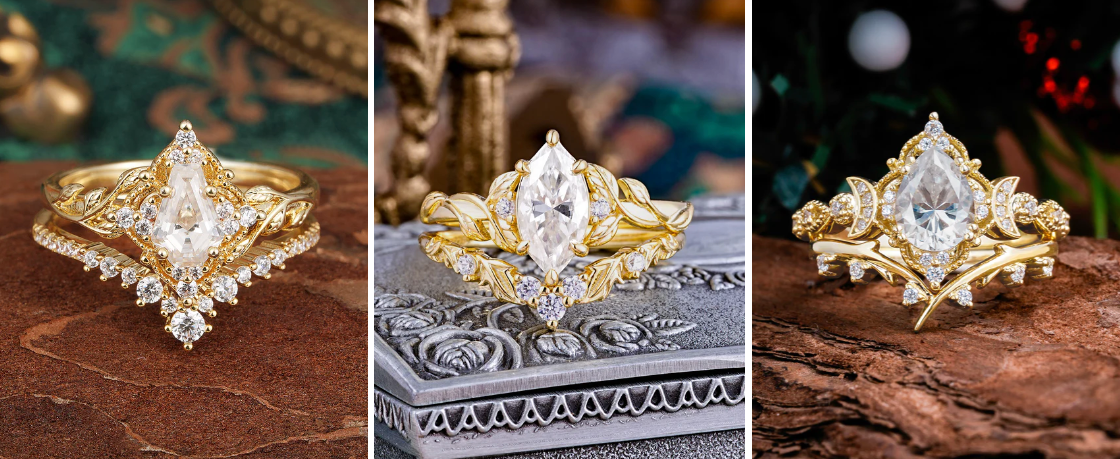
Some alternative stones have more stable supply chains. Moissanite, for example, is widely available in many shapes and sizes, which can make production timelines more predictable. For readers curious about current design options, collections of moissanite rings offer a look at the range of styles on the market today.
The choice of stone isn’t only about appearance or budget. In some cases, it can influence how quickly the ring is completed.
Simple Steps to Avoid Last-Minute Stress
If you’re planning a proposal and the date is set, a few practical steps can help:
First, ask clear questions before ordering.
How long is production?
When does shipping start?
Is the delivery date guaranteed or estimated?
Second, respond quickly during the design process. Approving renderings or confirming ring size without delay can keep things moving.
Third, consider choosing a design that balances personalisation with simplicity. Highly intricate settings may require extra craftsmanship time, while classic styles often move through production more efficiently.
None of these steps removes the emotional meaning of the ring. They simply support smoother planning.
A Changing Way to Buy Engagement Rings
Buying engagement rings online is far more common than it used to be. Virtual consultations, secure shipping, and detailed product pages have made the process accessible and convenient.
At the same time, buyers now expect transparency. Clear production windows and shipping details are becoming standard practice. Instead of vague promises, customers look for realistic timelines.
That shift benefits everyone — especially those working with a deadline.
The Bottom Line
A proposal is a deeply personal moment. But the ring behind that moment follows a real-world schedule.
Understanding that scheduling early can make a big difference. When you count both production and shipping time — and choose a design that fits your timeline — you replace uncertainty with confidence.
Because when you’re ready to ask the question, the last thing you want to worry about is whether the ring will arrive in time.