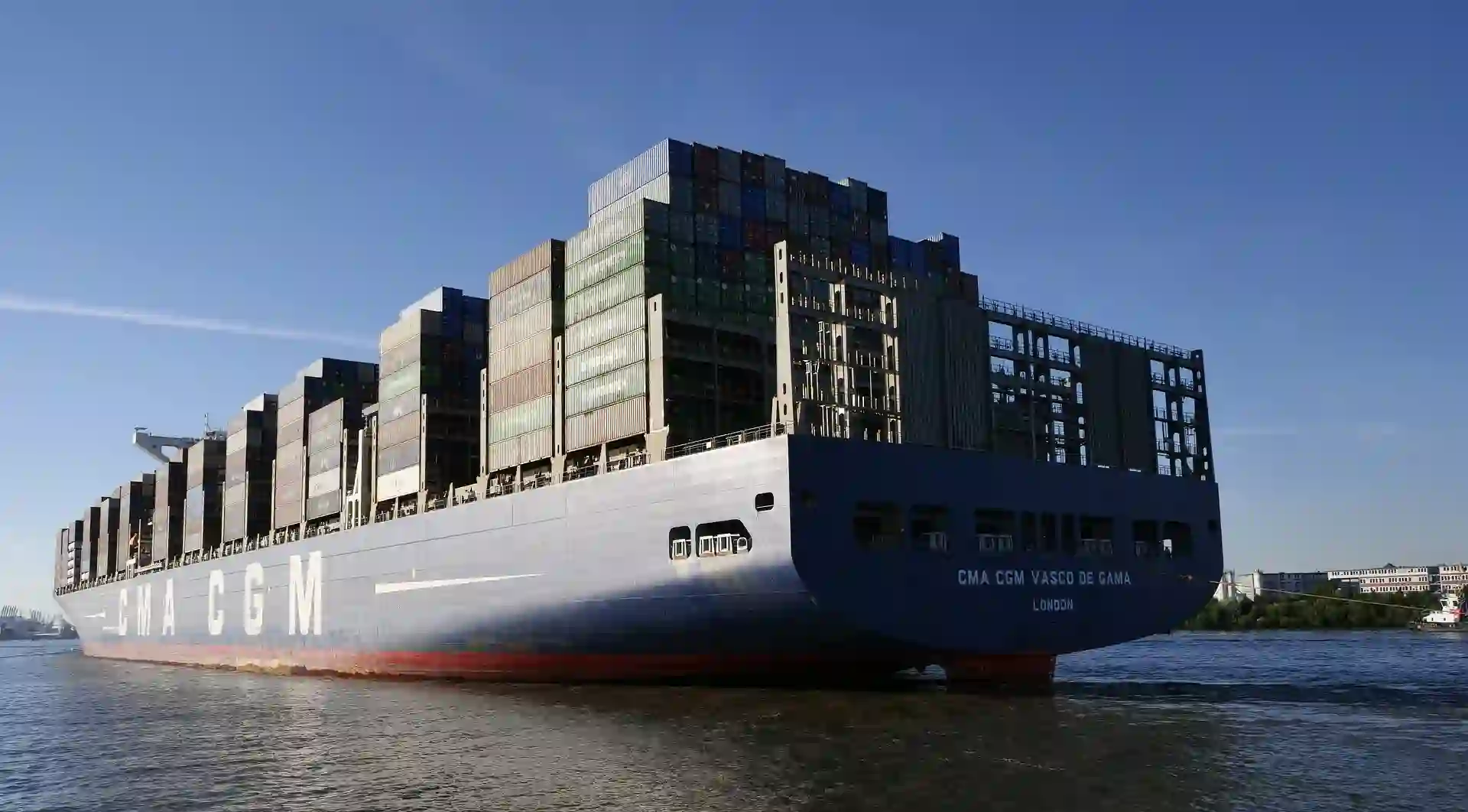

Port delays rarely end when a vessel reaches the pier. The next problem often starts at the freight terminal, where cargo is discharged, released, staged for pickup, and transferred into inland delivery.
Importers often check sailing schedules but miss the handoffs that decide delivery timing. An experienced Freight Forwarder can help teams plan beyond the ocean booking and prepare for the terminal steps that follow.
Why Port Delays Keep Moving After Arrival
A freight terminal is a facility where cargo moves between transport modes, waits for handling, or enters the next distribution step. When the port slows down, this location can turn one late vessel into several missed appointments.
Berth Delays Change the First Handoff
If a vessel waits for a berth, the discharge plan moves back. Cargo may not reach the yard when the importer expected it. That delay can affect customs timing, pickup orders, chassis planning, and warehouse receiving slots.
Yard Congestion Slows Container Pickup
A container can be inside the port and still be unavailable for pickup. Yard congestion may slow grounding, inspection, or gate access. Importers feel the gap when trucks arrive too early or appointment windows expire before cargo is ready.
How Terminal Flow Controls Delivery Time
Terminal flow matters because it links the vessel, yard, documents, truck pickup, and inland delivery. When those handoffs line up, the final delivery schedule has more room to hold.
Storage Time Affects Availability
Every extra day inside the freight terminal narrows the delivery window. Planned storage may be manageable, but unplanned storage creates pressure. A delayed container can miss free time, miss a warehouse slot, or need a new truck booking.
Release Status Shapes Trucking Plans
A trucker cannot move cargo that has not been released. Customs status, carrier release, terminal release, and payment status all need to match before pickup. If one item is missing, the container sits while the schedule keeps moving.
Visibility Decides How Fast Teams React
Useful terminal updates help importers adjust before a missed delivery becomes expensive. Poor visibility forces teams to guess. That guessing can lead to duplicate calls, rushed trucking requests, and warehouse teams waiting for cargo that has not cleared the gate.
Where Importers Lose Time and Money
Many added costs come from timing gaps that stack up before the truck moves. Importers should track these details before cargo reaches port:
- Cargo availability date
- Free time and last free day
- Customs and carrier release status
- Truck appointment and warehouse receiving slot
These checks sound basic, but missed details can turn a small port delay into demurrage, detention, storage fees, or a failed delivery appointment.
How Better Planning Reduces Terminal Delays
Delay planning works best before cargo reaches port. Importers should not wait for the freight terminal to announce availability before lining up documents, trucking, and storage backup. A terminal delay hurts less when each next step already has a fallback.
Confirm Terminal Rules Before Booking
Destination terminals do not always operate the same way. Gate hours, appointment rules, payment steps, and pickup windows can differ by port, carrier, or facility. Importers should confirm these rules before booking, not after the container is waiting.
Prepare Documents Before Vessel Arrival
Commercial invoices, packing lists, bills of lading, arrival notices, and customs entries should be checked before the ship arrives. Early document review may not prevent a port delay, but it can prevent paperwork from adding another delay after discharge.
Match Trucking to Real Cargo Status
Trucking should follow confirmed cargo status, not only the estimated arrival date. When importers book trucks too early, drivers may wait without cargo. When they book too late, the container may sit while free time runs out.
Why Terminal Strategy Matters for Importers
In ocean shipping, a freight terminal is not just a holding point. It is where port-side cargo moves into the inland delivery process. Importers that understand this step can plan pickup timing, warehouse space, and delivery commitments with fewer last-minute changes.
In some supply chains, a private freight terminal may support more controlled cargo handling near ports or industrial zones. This setup may be useful when shipment timing, cargo type, or delivery commitments leave little room for missed handoffs.
Compare Terminal Support Before Shipping
Importers should ask how terminal pickup, release checks, and inland delivery will be handled before the shipment moves. A low ocean rate may look attractive, but weak terminal coordination can raise the total cost after arrival.
Build a Backup Plan for Tight Delivery Windows
A backup plan does not need to be complex. Importers can prepare a second truck option, confirm nearby storage, and keep the receiving warehouse updated. These steps give teams more control when port delays disrupt the original plan.
Conclusion
Port delays are not only ocean freight problems. They disrupt terminal flow, pickup timing, and inland delivery. Importers that plan around the terminal process have a better chance of protecting delivery schedules when ports slow down.