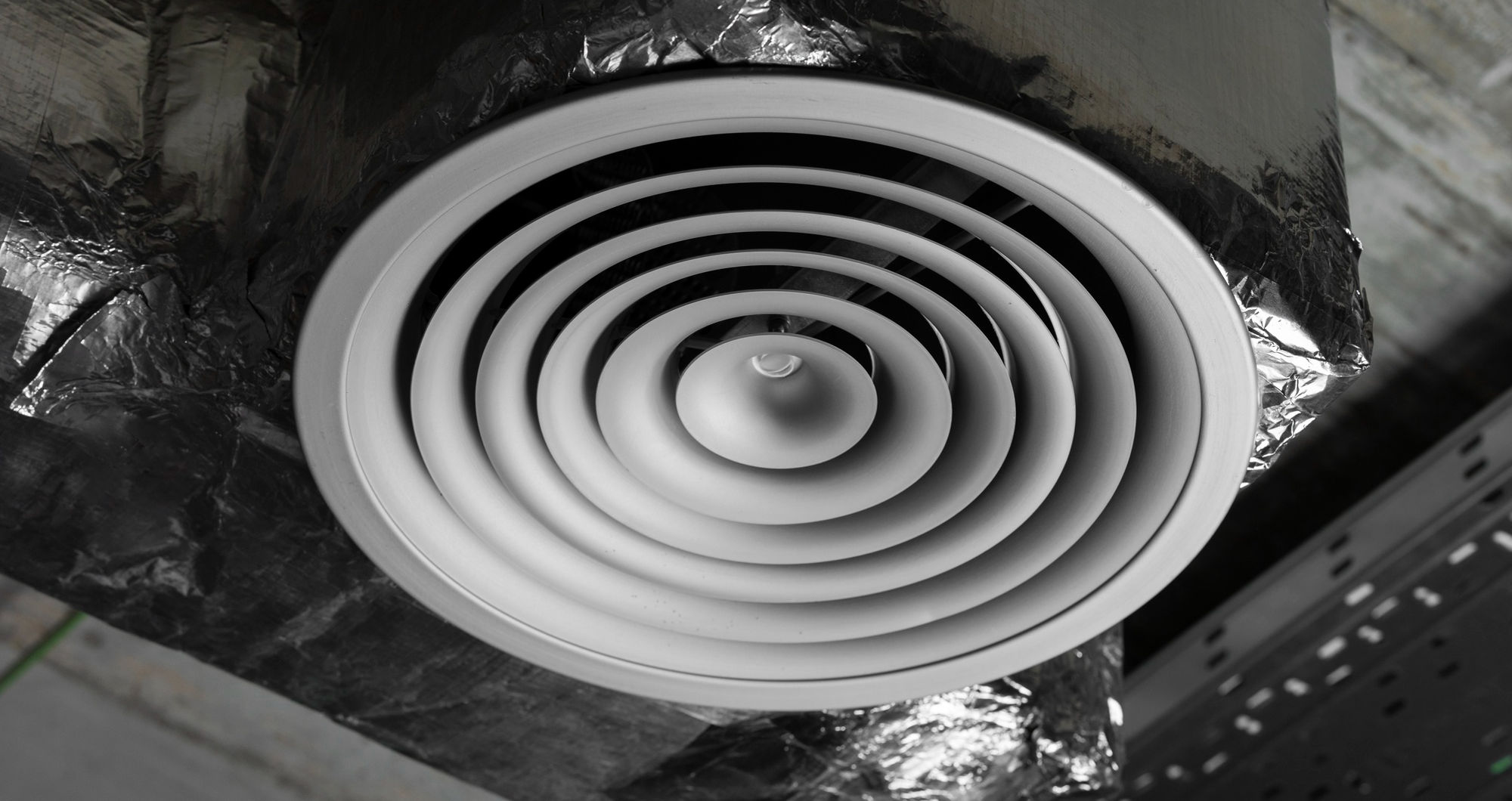

People spend most of their time indoors, whether it’s at home, at work, or in public buildings. Because of that, the quality of indoor air has a much bigger effect on our health and comfort than many realise. Fresh air helps people concentrate, sleep better, and avoid common issues such as headaches, allergies, or constant fatigue.
One factor that strongly affects indoor comfort is humidity. When the normal humidity in a room is maintained, people generally feel better, and buildings also stay in better condition. In most homes, the recommended humidity level is around 40–60%. If humidity rises too high, condensation and mould may start to appear. If it becomes too low, the air can feel dry, which may irritate the skin, throat, and eyes.
Maintaining balanced humidity is therefore not only about comfort but also about protecting the building itself.
The role of ventilation in healthy homes
Modern buildings are designed to be energy efficient. Windows, doors, and insulation are sealed tightly to prevent heat loss. While this improves energy efficiency, it can also reduce the natural airflow that older buildings used to have.
Without proper ventilation, moisture, dust, and carbon dioxide accumulate indoors. Cooking, showering, and even breathing add humidity to the air. Over time, this can push the humidity above the normal humidity in the room, creating an environment where mould and bacteria can grow.
This is where heat recovery ventilation systems have become increasingly popular.
How heat recovery ventilation works
A heat recovery ventilation system continuously exchanges indoor air with fresh outdoor air while keeping most of the heat inside the building. The system extracts stale air from rooms such as kitchens and bathrooms and replaces it with filtered fresh air.
The key advantage is that heat from the outgoing air is transferred to the incoming air. This means that homes receive fresh air without losing large amounts of heat during colder months.
Because airflow is controlled and balanced, humidity levels also become easier to manage. When the ventilation system works properly, the normal humidity in the room conditions can remain stable throughout the year. This helps reduce condensation on windows and prevents mould growth in hidden areas such as walls or ceilings.
Another benefit is air filtration. Dust, pollen, and outdoor pollution are filtered before the air enters the home, which can be helpful for people with allergies.
Long-term thinking in building technology
As buildings become more energy efficient, technologies that improve indoor air quality are gaining more attention. Ventilation systems are increasingly included in new residential developments, office buildings, and renovations.
This trend is not only driven by homeowners but also by businesses and organisations looking at long-term sustainability. In some cases, projects that improve building efficiency and indoor health attract interest from investment companies focused on sustainable infrastructure.
For an investment company, technologies that reduce energy consumption and improve living conditions can represent stable long-term opportunities. Buildings that maintain good air quality and stable humidity are generally more attractive for residents and tenants, which supports their long-term value.
A healthier indoor environment
Good indoor air does not happen by accident. It requires thoughtful design, proper ventilation, and attention to humidity levels. Maintaining the normal humidity in the room range, combined with reliable ventilation, helps create homes that feel comfortable year-round.
As awareness of indoor air quality continues to grow, solutions that support healthier buildings are likely to become even more common in both residential and commercial spaces.