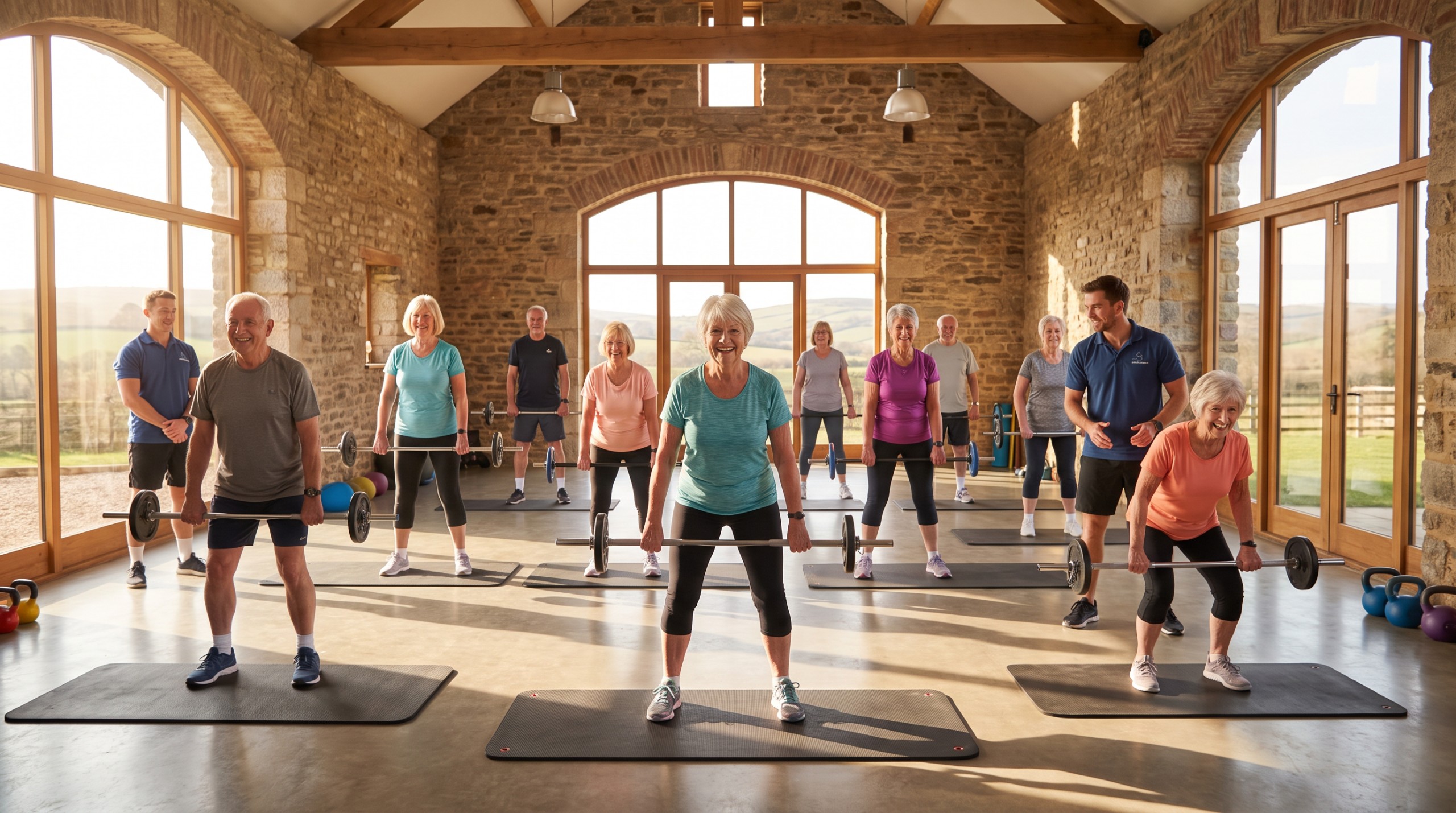

The traditional perception of ageing is undergoing a profound transformation across the United Kingdom. While past generations were often advised to stick exclusively to gentle walking or light gardening as they entered their seventies and eighties, a growing cohort of older adults is rewriting the rules of longevity. At a specialised fitness class in Uckfield, East Sussex, septuagenarians and octogenarians are regularly seen lifting heavy weights, performing burpees, and defying conventional expectations of physical decline. This burgeoning fitness movement highlights a vital shift in public health attitudes: strength training is no longer viewed merely as the domain of youth, but as an essential prescription for healthy ageing and sustained independence.
At the heart of this movement is CrossFit Uckfield, which runs dedicated fitness sessions tailored specifically for adults over the age of sixty. Participants ranging from their late fifties to their late seventies gather several times a week to engage in structured resistance training. Among them is Marjorie Richardson, who is preparing to celebrate her eightieth birthday and proudly holds the title of one of the gym’s oldest members. Richardson notes that resistance training has fundamentally changed her daily life, alleviating chronic physical ailments such as foot surgery recovery and hand arthritis while providing a profound boost to her mental well-being. Living alone, she credits the communal workout environment with offering both vital social connection and physical resilience.
The physiological rationale behind this trend is robust and well-documented by sports scientists and geriatricians alike. As human beings age, they experience a natural, progressive loss of skeletal muscle mass and strength, a condition clinically known as sarcopenia. Left unmanaged, sarcopenia accelerates frailty, increases the risk of debilitating falls, and severely compromises an individual’s ability to live independently. Traditional aerobic exercises, while beneficial for cardiovascular health, do not adequately stimulate muscle hypertrophy or bone density retention in the same manner as progressive resistance training. By engaging muscles against external loads, older adults can stimulate protein synthesis, strengthen connective tissues, and dramatically improve neuromuscular coordination and balance.
Key Physical and Social Benefits of Strength Training for Older Adults
| Benefit Category | Specific Outcome | Impact on Daily Independence |
| Musculoskeletal Health | Reversal of sarcopenia and increased muscle mass | Enhanced ability to lift heavy household items, groceries, and gardening tools |
| Neuromuscular Function | Improved balance, proprioception, and core stability | Significant reduction in the incidence and severity of accidental falls |
| Psychosocial Well-being | Regular peer interaction and shared physical goals | Combatting social isolation and boosting mental resilience |
The Changing Narrative Around Strength and Ageing
Coaches and fitness professionals observe that the public narrative surrounding physical fitness in later life has shifted dramatically over recent decades. In the past, older gym-goers – particularly women – frequently expressed goals centred around weight loss, slender frames, and maintaining a smaller physical silhouette. Today, participants arrive at training facilities with entirely different aspirations. They explicitly voice a desire to build robust muscle mass, fortify their joints, and cultivate functional strength. This cultural pivot reflects a broader understanding that physical robustness is the primary vehicle for maintaining personal autonomy well into advanced age.
Carla Halford, a 78-year-old participant in the Uckfield classes, encapsulates this motivational shift. Having initially been introduced to the programme via her family, Halford observes that many of her peers remain confined to traditional, low-impact regimens like yoga, missing out on the distinct muscular benefits of resistance exercise.
For Halford, the ultimate driving force is clear and pragmatic: she is determined to preserve her physical agency, ensuring she never reaches a point where she can no longer rise independently from a chair. This sentiment is echoed by fellow gym member Mick Harker, 77, who discovered weightlifting later in life while managing care responsibilities. Harker can now comfortably lift significant loads, enabling him to actively keep pace with his grandchildren and engage in rigorous family activities that were once out of reach.
Furthermore, the psychological and social dimensions of group strength training cannot be overstated. Loneliness and social isolation represent significant public health challenges for older demographics across Britain. Structured fitness communities provide a powerful antidote, fostering an environment free of intimidation or judgment.
Participants encourage one another, celebrate milestones – such as lifting a grandchild onto playground equipment for the first time – and build a shared identity rooted in capability rather than limitation. As health systems face the mounting pressures of an ageing population, community-led initiatives that promote physical resilience offer a compelling, sustainable model for enhancing the quality of later life.