
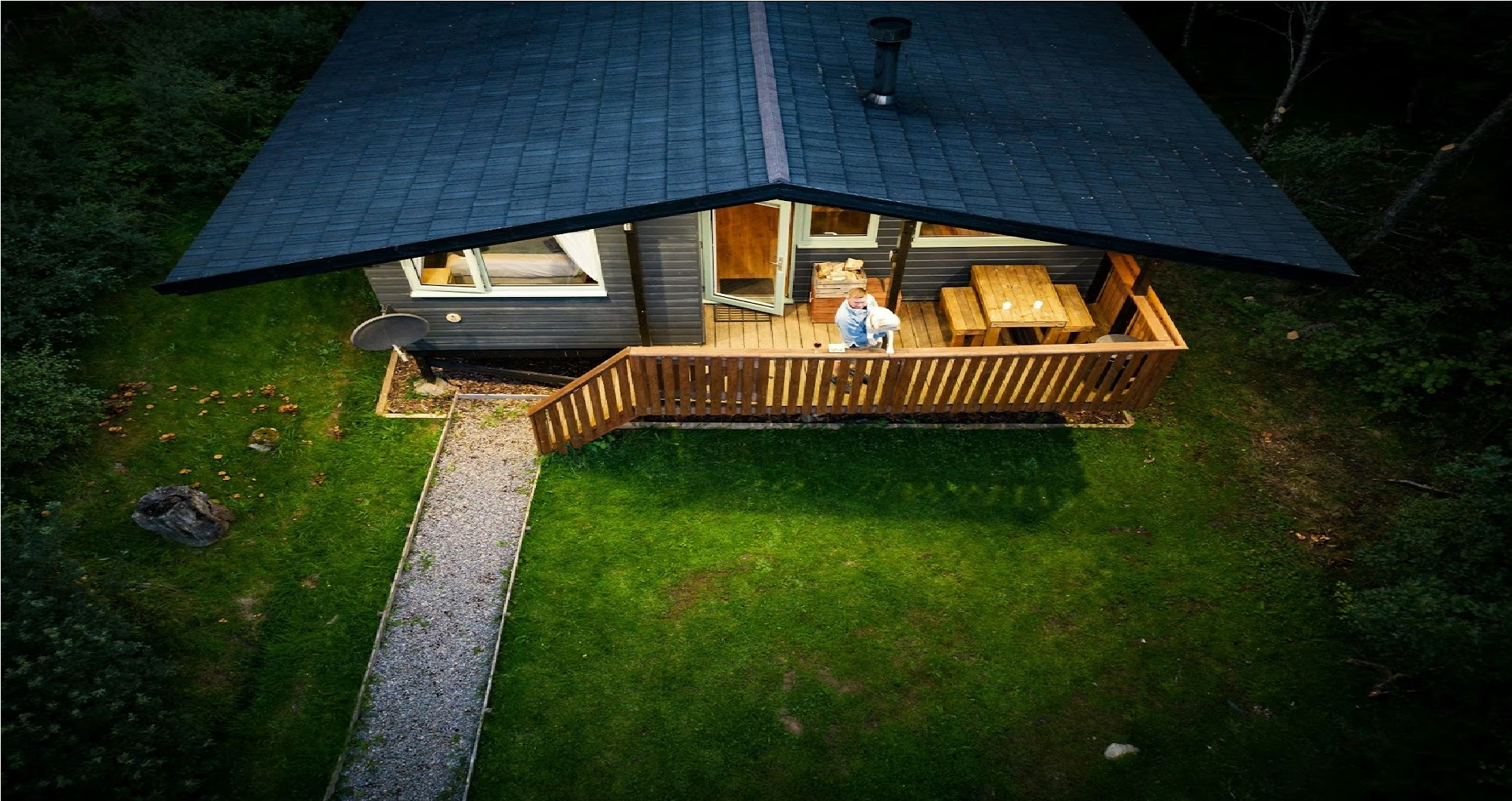

The dream of wooden-cabin living is not new to the UK society. Living in a wooden cabin was once a popular lifestyle among past-generation Brits. However, the dream is gaining traction once again, but renewed this time.
Today, wooden home living has moved from being rustic and no longer has to sacrifice the amenities of a regular home. Wooden cabins are now equipped with modern features for optimal cosiness and warmth.
With ever-increasing house prices in the UK and a shift from urban life, wooden cabins, also known as log cabin homes or cottages, are positioning themselves as a viable housing option and growing roots among UK residents.
This article discusses what to know about wooden cabins in the UK, such as the drivers for their popularity and whether they are a practical solution to UK living:
What’s driving the interest in wooden cabin living?
Economic and lifestyle factors are the major drivers of wooden-cabin living in the UK.
High house prices
The increasing costs of homeownership in the UK have made it difficult for many adults to afford a traditional home, pushing them into considering wood-built houses. While mortgages are not helping matters, maintenance costs continue to soar, which weigh many young adults down financially.
According to UK House Price Index, the average UK house in 2025 is £286,000, which many young adults, retirees, and middle-income families in urban areas cannot afford.
Wooden lodges relieve concerned individuals and families of this burden by offering a cost-effective solution, as wooden cabins cost extremely low compared to a traditional house. For example, wooden cabin suppliers like Quick Garden offer simple models that cost as low as £20,000 and fully-equipped bespoke options of around £50,000.
Lifestyle
The desire to escape urban life is another significant factor driving the popularity of wooden cabins among modern Brits. Many adults lament about the stress of city life and crave a new lifestyle.
Of course, the UK cities, including Manchester and London, are bustling and lively, but they can be overwhelming too. With long commutes to work and constant noise, not everyone cherishes the busy nature of city life.

Wooden cabins are the practical solution for Brits who crave reconnecting with nature without missing out on modern comforts. Nowadays, there are a lot of different wooden cabin options to choose from, and thanks to remote work, Brits can easily ditch overcrowded city centres for nature-friendly rural living and traffic noise for birdsong.
Are wooden cabins practical for UK living?
Wooden cabin homes are practical for UK living, thanks to their modern features and regulation compliance.
Log cabins are designed to withstand the UK’s unstable weather with no signs of falling out. Designed for year-round living, wooden cabins are now equipped with comfort-enhancing features like insulation, electricity, skylights and LED lights, and double-glazed windows. Most models also come with under-floor heating systems and weatherproof cladding, for improved comfort, especially in the cold UK weather.
Additionally, since they are often designed using timber, a durable wood with a lifespan of up to 15 years, wooden cabins can weather heavy rain and wind for many years.
It is also worth acknowledging that log cabins meet housing regulations. By keeping up to standards, manufacturers ensure wooden cabins comply with regulations.
Who’s actually living in a wooden cabin in the UK?
Diverse categories of individuals and families find value in wooden cabin living in the UK. While retirees see wooden cabins as a suitable home to enjoy old age, wooden cabins are gaining traction among remote workers too.
Retirees
An example is Henry, a retiree looking for a viable house option to downsize and move into with his wife since their children no longer live with them. Henry sold their three-bedroom home in Bristol and moved down to the South Downs with his wife, where they invested in a 60-square-metre wooden cabin.

Henry said this measure was necessary to declutter, cut bills and spend more time in nature with his lovely wife.
Young families
Young families, especially those craving self-build plots, are not left out of this trend. Since land prices are lower outside the city, wooden cabins offer an affordable entry into outright home ownership.
Remote workers and freelancers
Other categories of Brits on this train include remote workers and freelancers. Thanks to their flexible work arrangements, this category of workers can choose to work from affordable rural homes that bring them close to nature. With 40% of the UK’s employees as hybrid workers, wooden cabin homes now boast increased popularity compared to decades ago.
Second-home seekers
There is also a category of people who don’t want to give up on their existing urban homes but equally cherish the quiet nature of close-to-nature homes. This includes urban professionals who want a break from city life.
Wooden cabins afford them a cost-effective solution to snap out of city lifestyle and go on retreats for as long as they want.
Design and customisation options
Log cabin homes have move from what they were known for in the past. Cabins in the past were basic and rustic, while modern models feature modern designs with open-plan layouts and up-to-date accessories.
Made from timber cladding with a range of finishes, wooden cabins now offer sleek, contemporary looks without sacrificing the natural aesthetic allure of a log cabin. Eco-conscious individuals can also equip their properties with eco-friendly features like solar panels, rainwater harvesting systems, and green roofs.

Furthermore, you can design the insider of your wood cabin according to your needs and lifestyle. For example, young couples can choose compact layouts with a single bedroom and a minimalist kitchen, while growing families will get more value for their money in larger models with multiple bedrooms.
Challenges to consider
Although the dream of cabin living is appealing to many UK residents, it is not without its drawbacks. Common challenges of wooden cabins include land availability, costs, and planning restrictions.
Land
Lack of suitable land deters many from building wooden cabins. It is often difficult to find viable land in protected areas like National Parks and Areas of Outstanding Natural Beauty (AONB). This might make investing in wooden cabins challenging for residents of these areas.
Cost
While cabins are cheaper than conventional homes, not everyone can afford one. Cabin installation involves land preparation, utility connections, and legal fees, which add up to the total cost. Since log cabins lack the long-term durability of brick-and-mortar houses, many see them as short-term investments and are hence discouraged from committing to them.
Planning restrictions
Building a wooden cabin requires applying for planning permission in many cases, and failure to meet the requirements can delay permission.
Plus, there are instances where councils limit cabin size, preventing owners from having their desired models.
Conclusion: A dream grounded in reality
Wooden cabins are now the favourite solution to a new kind of living among the UK populace. These cabins are no longer the basic cabins they were known for in the past, but are now revolutionising are now rural living.
Positioned as the practical solution to a new way of life, wooden cabins offer affordable, customisable, and eco-friendly homes for different categories of Brits, including young adults, retirees, and freelance workers.
With house prices soaring and lifestyles changing, log cabins will continue to gain the hearts of more Brits.







