

The World Bank has approved an $800 million financing package to support Uzbekistan’s economic reforms, covering employment, social protection, private enterprise and cleaner energy.
The bank’s Board of Executive Directors approved the package on 25 November. The institution said the measures were intended to improve pay and employment opportunities, strengthen the private sector and deepen the Central Asian country’s links with the global economy.
It expects the proposed reforms to support the equivalent of 275,000 additional and better-quality jobs during 2029 to 2031. That is a projected outcome of the programme, rather than a count of jobs already created or a guarantee of future employment.
Social protection and business competition
The social measures include expanding insurance for maternity and temporary sickness benefits. The bank also said the programme would strengthen arrangements for safer, more respectful workplaces and improve the professional standards of social work services for vulnerable people and families.
These measures sit alongside reforms intended to widen economic opportunities for women. Women also account for half of the additional users envisaged under the programme’s broadband target.
For businesses, the package supports continued reform of state-owned enterprises and a stronger framework for fair competition. The World Bank said these changes were intended to create more room for private investment, innovation and employment.
Digital access and simpler trade
The programme includes changes to rules governing secure transfers of data across borders. The aim is to make it easier for businesses to use cloud services, international digital platforms and other technologies, while retaining safeguards for personal information.
By 2028, the bank aims to support 500,000 additional broadband users, including 250,000 women. The figure is a programme target, not an assessment of the number of people who have already gained internet access through the financing.
Trade reforms will focus on digital procedures and simpler border processes. The package supports improvements to Uzbekistan’s trade single window, a system designed to bring trade procedures together, with the bank saying the changes should make international trade easier and less costly for businesses.
The institution also linked those measures to Uzbekistan’s integration into the global economy and its accession process for the World Trade Organization.
Energy investment and agricultural insurance
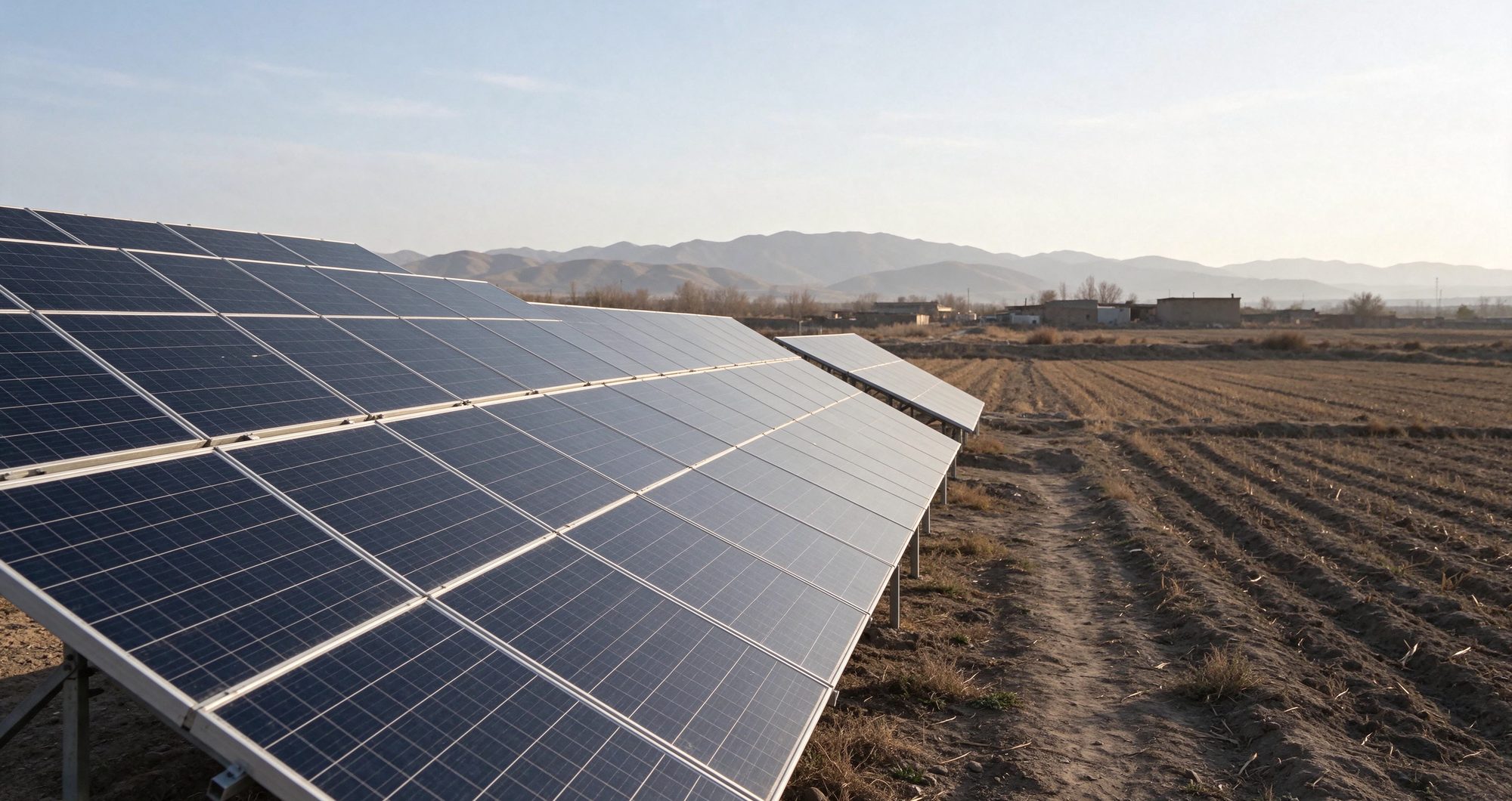
Changes to electricity and natural gas markets form another part of the package. The bank said stronger rules and institutions would create greater opportunities for private investment in energy generation and electricity distribution.
The programme aims for privately operated distribution networks to serve 15% of electricity customers by 2028. Separately, it seeks to attract $10 million in private energy-efficiency investment and support the expansion of distributed renewable energy capacity to 3,000 megawatts by the same year.
The greener-growth measures include better energy-efficiency standards for buildings and incentives for businesses to invest in technology that reduces energy use and pollution. Those investment and capacity figures remain objectives, rather than confirmed achievements.
For agriculture, the bank is supporting wider insurance against droughts, floods, extreme weather and other farming risks. The stated goal is to bring insurance coverage to 35% of farmers and livestock producers by 2028.
Continuation of an earlier reform programme
The approval follows a separate $800 million package announced by the World Bank in October 2025. That earlier financing supported reforms including competition in telecommunications, agriculture and power, workplace protection for women and expanded social services.
The 2025 measures also included increased compensation for low-income households facing higher electricity, heating and gas tariffs. The latest programme continues work across several of those policy areas, while setting out targets for digital access, insurance and greener investment over the next few years.







