

Yemen’s internationally recognised government has alleged that 21 experts from Iran’s Revolutionary Guard and Lebanon’s Hezbollah are helping the Houthis direct military operations in the country. The claim comes amid renewed fighting and concern over security in the Red Sea.
In a statement dated 3 November, Interior Minister Ibrahim Haidan said 14 were from the Iranian force and seven from Hezbollah. He alleged that their work went beyond training and supplying weapons to include planning operations and developing the Houthi movement’s military capabilities.
In the minister’s breakdown, eight were listed in Hodeidah, four each in Sanaa and Saada, two each in Hajjah and Amran, and one in al-Khokha. Al-Khokha is a district within Hodeidah governorate, not a separate governorate. None of the alleged locations has been independently confirmed.
Among the roles he alleged were work on ballistic missiles and drones, communications and electronic warfare. Haidan also claimed the experts helped coordinate maritime operations, choose commercial vessels as targets and develop explosive-laden boats. He said some trained fighters in mine-laying and urban warfare.
The initial interior ministry statement did not name the purported experts or provide evidence that would independently establish their numbers, locations or activities. The existence and activities of the group described by the minister remain unverified.
Iran has previously denied supplying weapons to the Houthis, saying its support was political. The Houthis have acknowledged links with Iran but said they make their own decisions. In 2024 a Houthi representative denied that Iran or Hezbollah directed Red Sea attacks, while acknowledging that the movement had benefited from Iranian training and military manufacturing experience.
In January 2025, Iran’s ambassador to the United Nations rejected earlier UN experts’ findings on Iranian military support and training. Hezbollah has previously rejected having a role in Yemen’s war. These earlier positions were not responses to the ministry’s new, specific allegation.
In 2024 a panel of United Nations experts said transfers of military material, assistance and training from the Revolutionary Guard, Hezbollah and Iraqi specialists had helped the Houthis develop their capabilities. Its conclusions related to an earlier period and do not confirm the 21 people now alleged to be in Yemen.
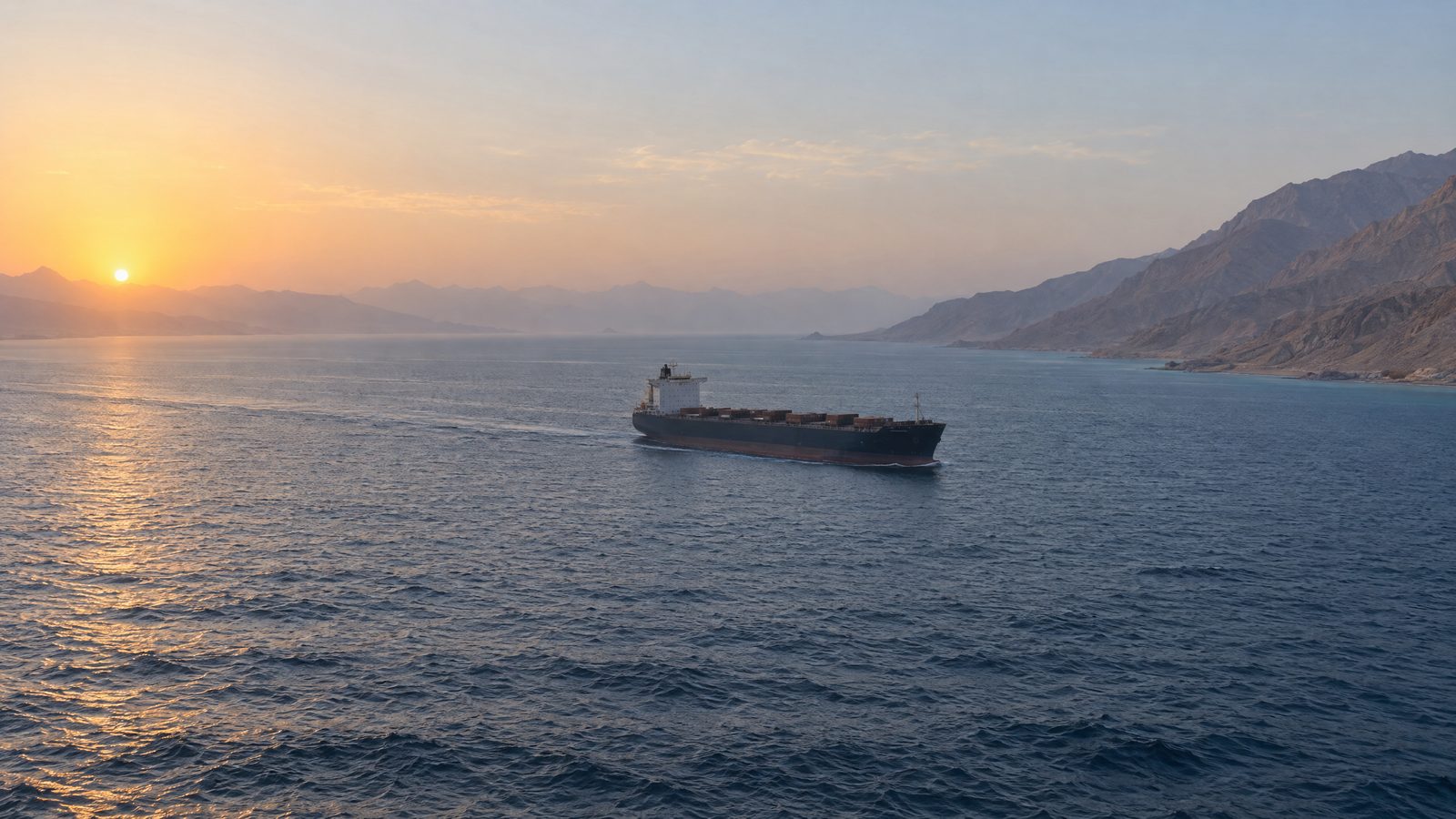
Yemen’s foreign ministry supported the interior ministry’s account and warned that the alleged involvement threatened regional security and freedom of navigation. The Bab al-Mandab strait connects the southern Red Sea with the Gulf of Aden and forms part of a shipping route between Asia and Europe via the Suez Canal.
The government called for the Houthis to be designated a terrorist organisation and for UN arms restrictions to be enforced. The UN Security Council already lists the Houthis as a group subject to a targeted arms embargo, a step taken in 2022 under an earlier resolution. The government’s appeal is not itself a new designation or sanction.
The Houthis took Yemen’s capital, Sanaa, in 2014. A Saudi-led coalition entered the war the following year in support of the internationally recognised government. A 2022 truce brought a period of relative quiet, but fighting intensified again in 2026.
In a recent assessment, the UN migration agency said more than 300,000 people had fled their homes in western Yemen amid fighting, almost all in the two months before the assessment. It said families faced difficulties finding shelter and paying for essentials, while access restrictions complicated aid delivery.
In Taiz city, the assessment said the cost of essential items had risen to three to five times previous levels as fighting cut access to surrounding areas. The agency called for protection of civilians and aid workers and safe, unimpeded humanitarian access, particularly in hard-to-reach areas of Taiz.







